





Royal Tevora Nilambur Teak Wood Cane Bench
- Authentic, Premium-Quality Nilambur Wild Teak
- Handcrafted by Skilled Artisans
- Sustainably Sourced and Eco-Friendly
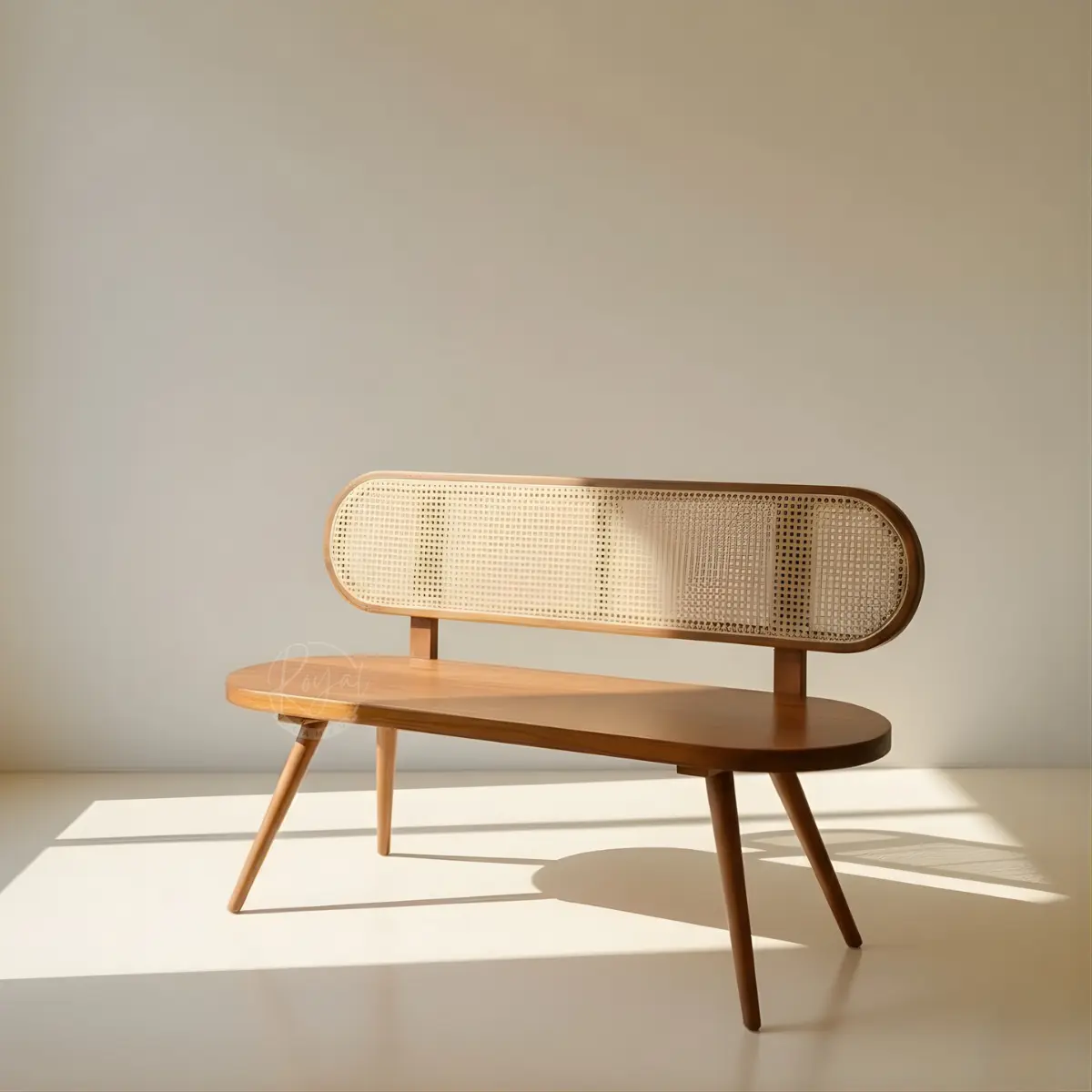
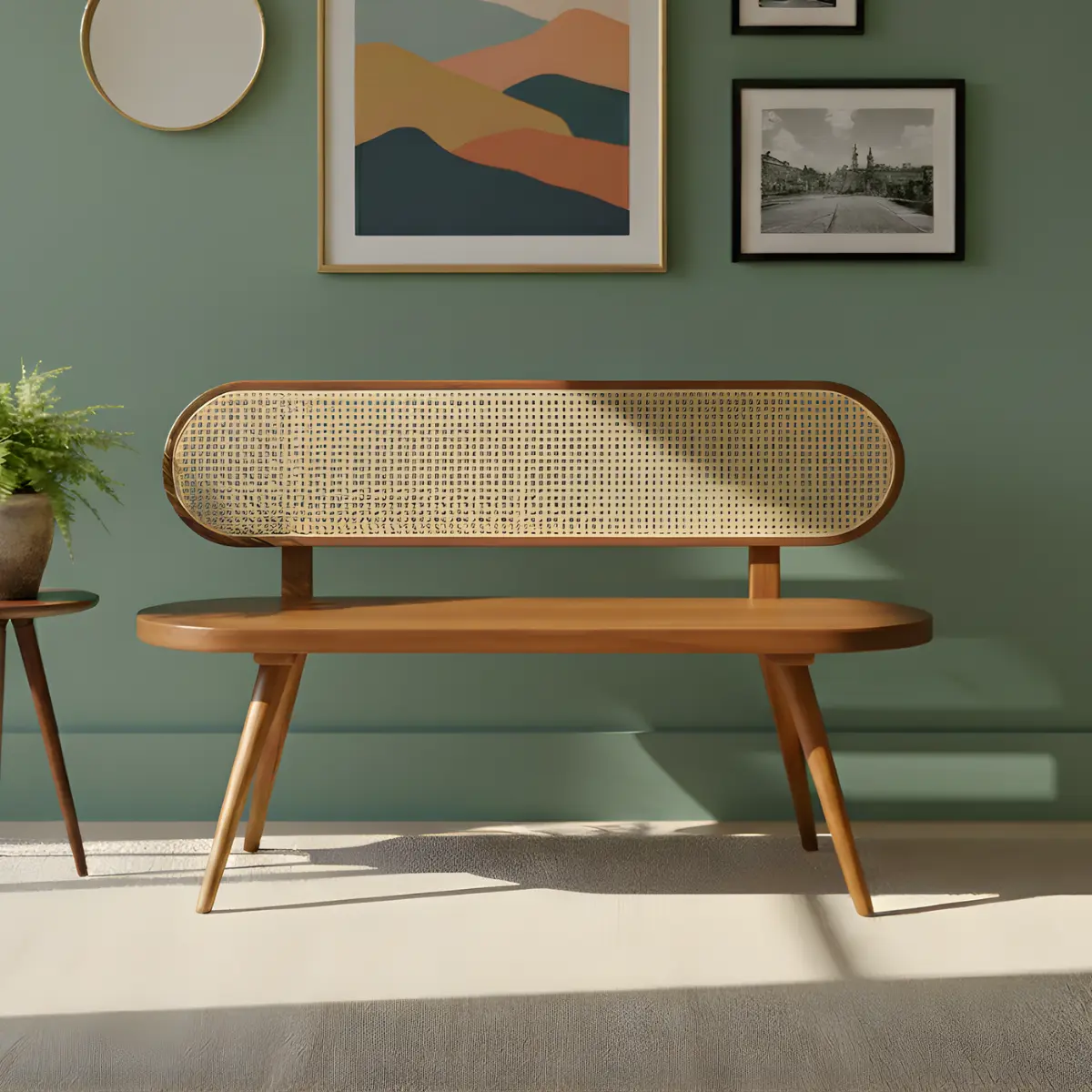
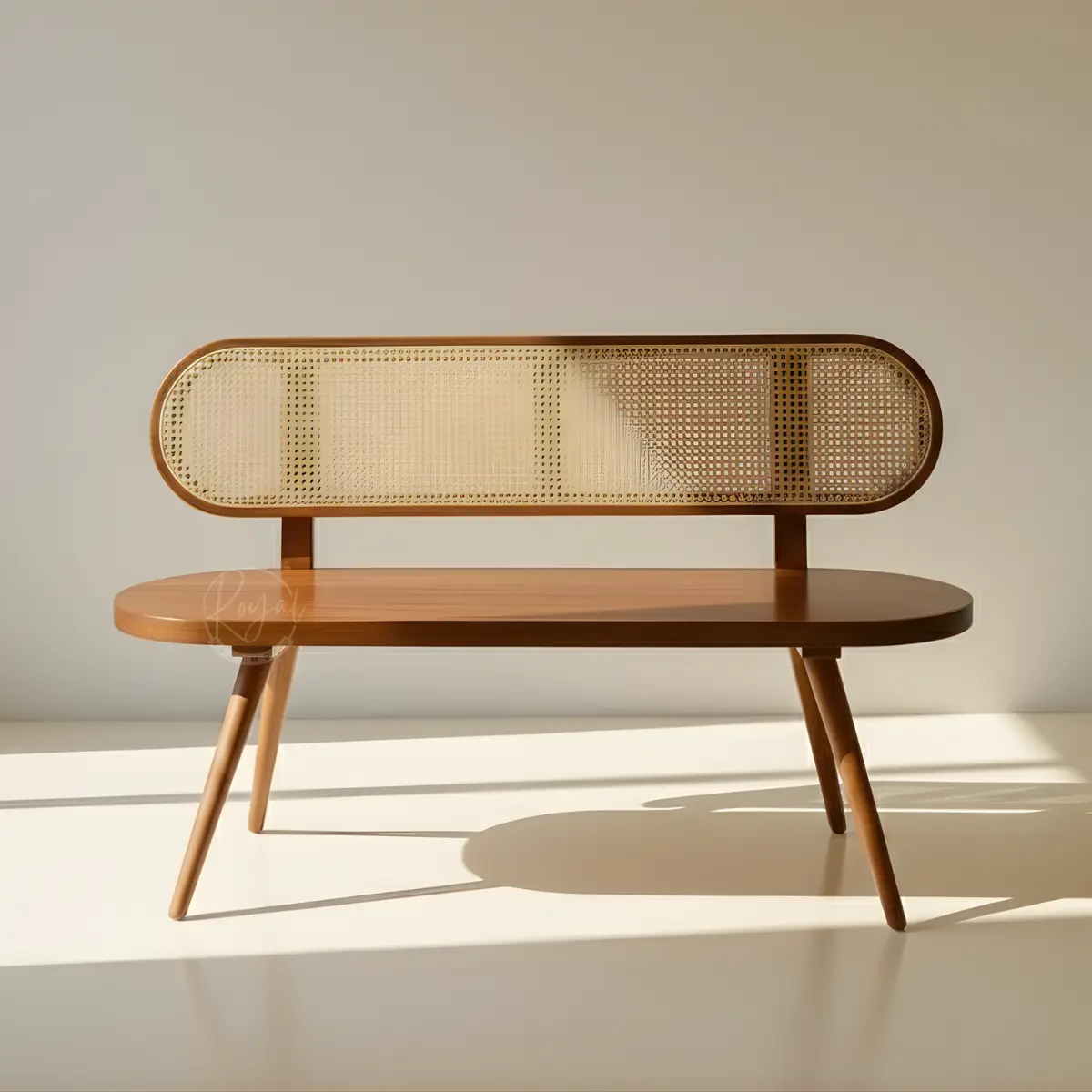
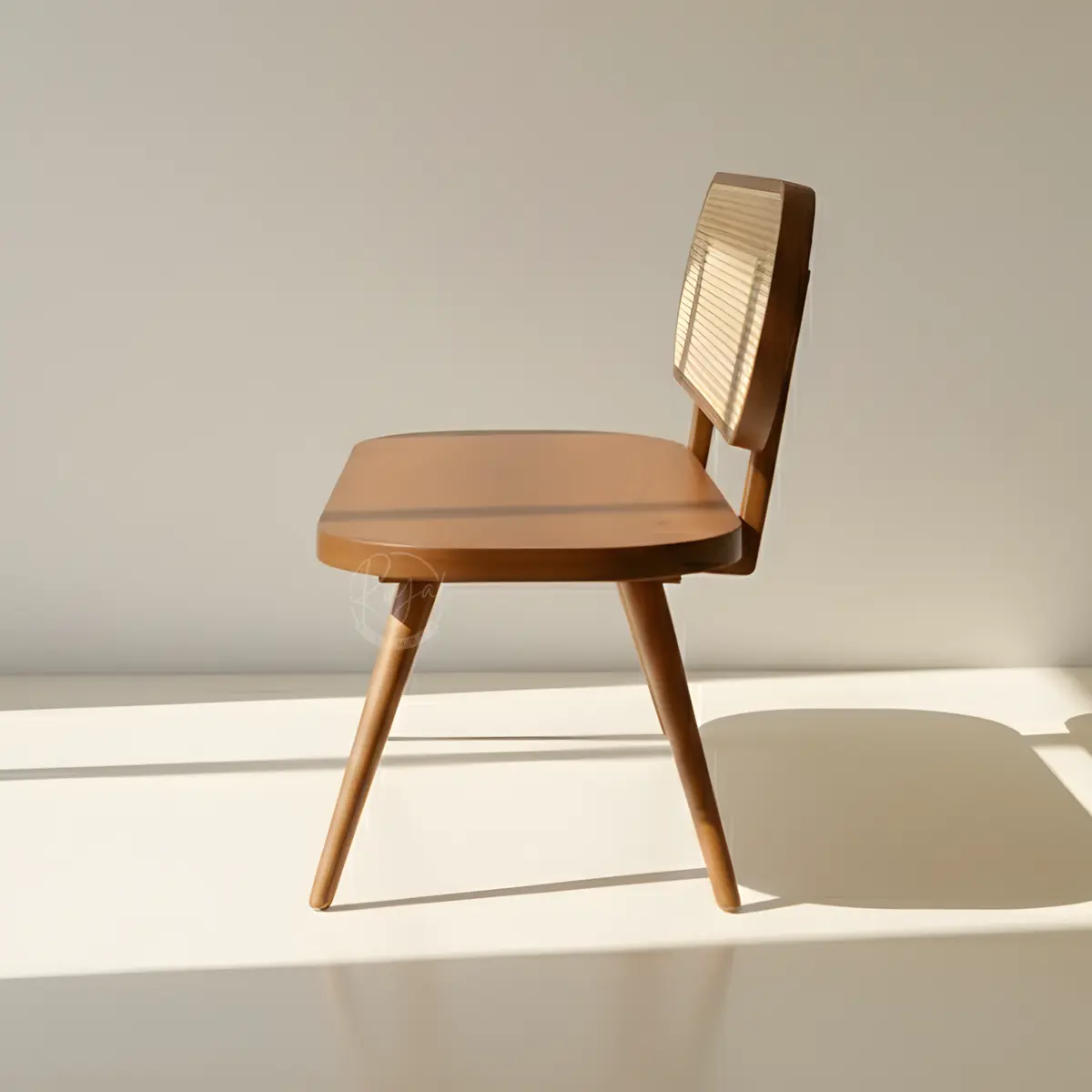
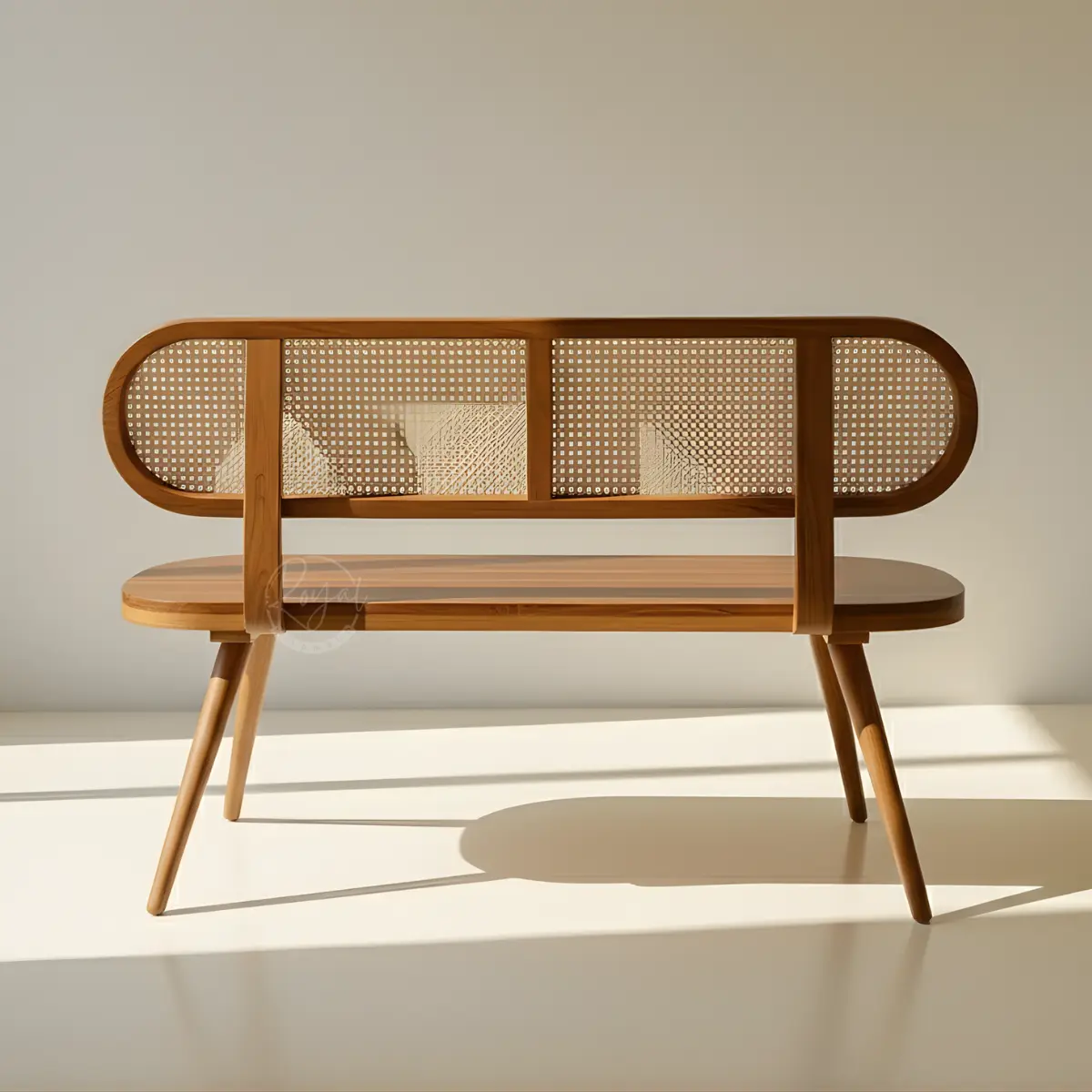
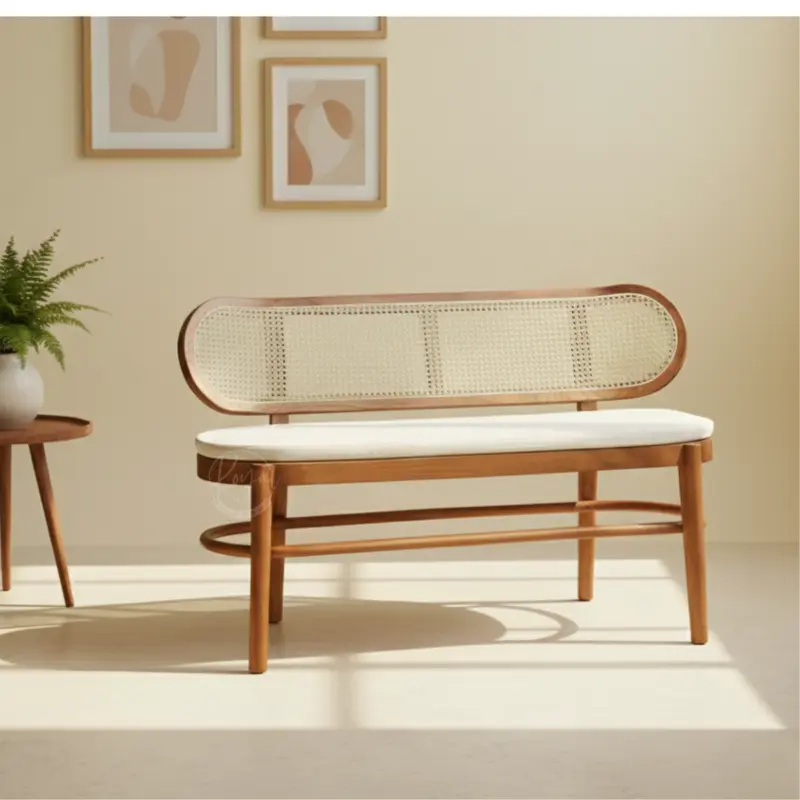
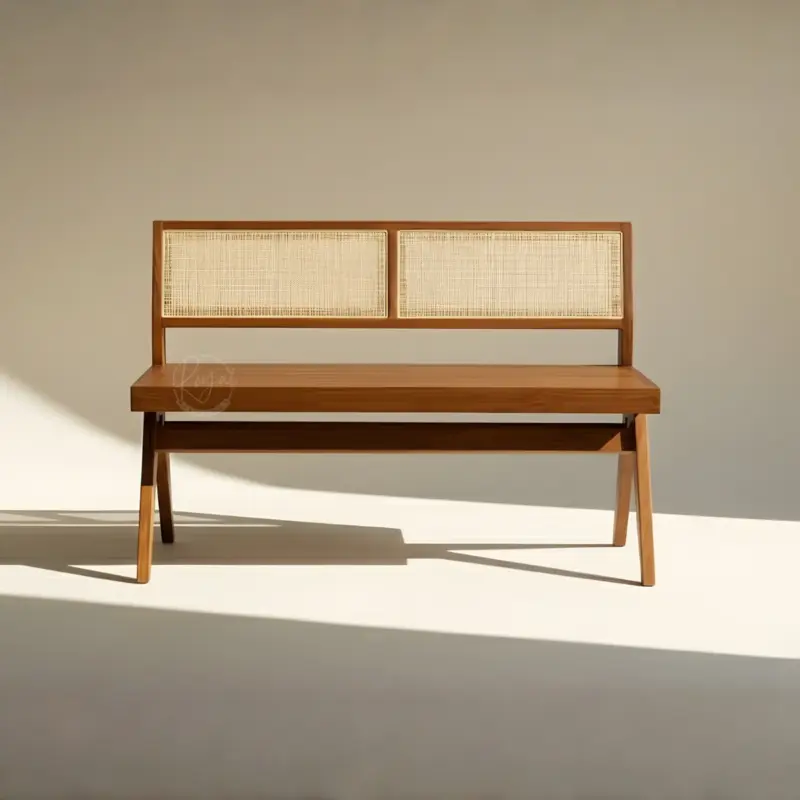
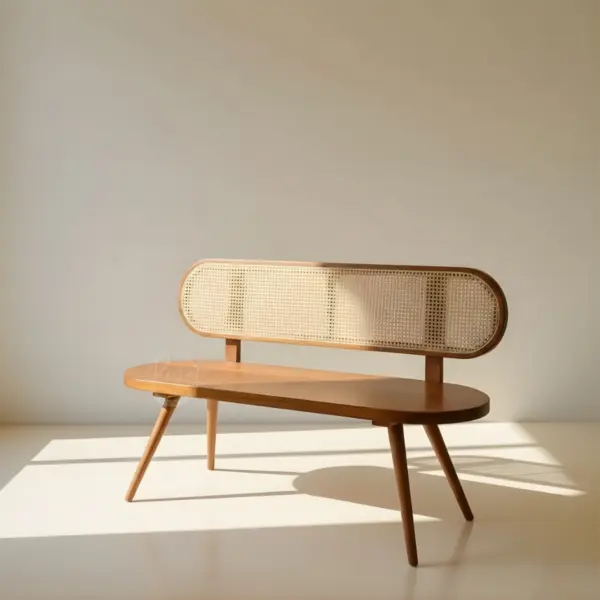
Wooden cane bench that embodies mid-century minimalism—introducing the Royal Tevora. This contemporary wooden cane bench features a distinctive elongated oval hand-woven cane backrest with decorative vertical accent bands, smooth pill-shaped solid teak seat, and splayed angled legs. Handcrafted from premium Nilambur teak with rich golden honey tones showcasing natural grain beauty. Perfect for modern spaces seeking furniture that combines Scandinavian-inspired simplicity with lasting quality through expert craftsmanship and timeless design.
₹41,500.00 Original price was: ₹41,500.00.₹37,999.00Current price is: ₹37,999.00.
Enjoy the convenience of free delivery to Kerala, Karnataka, Tamil Nadu, Andhra Pradesh and Telangana! If you're located somewhere else, please don't hesitate to reach out to us; we're here to help you!
- Delivery Areas: We deliver to Kerala, Karnataka, and Tamil Nadu. If you live outside these states, feel free to contact us for special arrangements.
- Crafting & Delivery Time: As we handcraft every piece with care, shipping usually takes about 3 weeks. We’ll keep you updated every step of the way.
- Quality Assurance: Rest assured, our products undergo strict quality checks before leaving our workshop.
- Defect Handling: If your product has a manufacturing defect, we’re here to help! We’ll either repair it or offer an exchange, depending on the issue. Repairs will be arranged for minor defects to ensure your product is as good as new.
- Complaint Period: We encourage you to inspect your order upon delivery and report any issues within 12 hours for a quick resolution.
- Order Cancellations: Changed your mind? No problem! You can cancel your order within 12 hours by contacting our customer care team. We’ll process the cancellation immediately.
- Refund Process: Once your order is canceled, we’ll initiate the refund. Your refund will reflect in your account as per your bank’s standard processing time.
To maintain the beauty of your Nilambur teak wood furniture for generations, follow this simple and effective care guide.:
- Regular Cleaning: Wipe your teak furniture with a soft cloth and a mix of mild soap and water to remove dirt and grime. For deeper cleaning, you can use a teak-specific cleaner. Be gentle to avoid damaging the wood’s surface.
- Avoid Harsh Chemicals: Stick to mild cleaning solutions. Avoid abrasive cleaners or steel wool, which can damage the wood's surface.
- Protect from Sunlight: Keep your teak wood away from direct sunlight to prevent fading or drying out. Use curtains or shades to reduce exposure if the furniture is near windows.
- Oil and Seal: Although teak naturally produces oils, you can occasionally apply a teak protector or sealer to maintain its golden color and protect it from UV rays and moisture. Avoid over-oiling, as teak wood doesn’t need it frequently.
Product details
| Color |
Golden – Natural Nilambur Teak Color |
|---|---|
| Material |
Authentic Nilambur Wild Teak Wood |
| Warranty |
Royal Nilambur Lifetime Assurance Warranty |
| Brand |
Royal Nilambur |
Description
The Royal Tevora wooden cane bench brings refined mid-century modern sophistication to contemporary homes. This elegantly proportioned seating piece features a distinctive elongated oval cane backrest with decorative accent bands, smooth pill-shaped solid wood seat, and splayed angled legs—creating seating that feels both minimalist and inviting. Crafted from premium Nilambur teak with hand-woven natural cane, this modern design serves as a statement piece that honors mid-century and Scandinavian furniture design principles while providing comfortable practical seating.
What makes this wooden cane bench special is its elongated horizontal emphasis creating visual distinction. The oval cane backrest extends horizontally rather than rising vertically—this unusual proportion creates contemporary aesthetic departing from traditional bench designs. The hand-woven cane features decorative vertical bands creating subtle pattern interest within the natural weave. The pill-shaped seat eliminates sharp corners creating soft organic form throughout. The splayed legs angle outward providing stability while emphasizing mid-century modern design vocabulary. Every element reflects furniture philosophy where less becomes more through careful proportion and material quality.
The dimensions of this wooden cane bench create versatile seating suitable for various applications. The length accommodates two adults comfortably or provides generous single seating. The backless seat section (where cane doesn't extend) offers flexible seating options. The seat height works appropriately for entryway benches, dining benches, or living room seating. The low-profile backrest provides support without visual bulk. The overall proportions work beautifully in entryways, dining areas, bedrooms, or living rooms.
This wooden cane bench works beautifully in interiors embracing mid-century modern, Scandinavian, minimalist, or contemporary aesthetics. The clean design suits spaces where furniture should feel uncluttered and refined. The warm teak tones add natural warmth to minimalist color schemes. The quality construction ensures this isn't temporary furniture—it's designed to serve families for generations becoming treasured heirloom.
The natural teak finish on this wooden cane bench displays rich golden honey tones with distinctive grain patterns flowing throughout. The hand-woven cane adds organic texture and visual interest. Over time, the teak develops deeper patina while the cane ages gracefully, ensuring your bench grows more distinguished with use.
Experience minimalist elegance with the Royal Tevora wooden cane bench—where horizontal design meets artisan quality.
Discovering Elongated Bench Design Innovation
Finding a wooden cane bench that achieves genuine design innovation—not merely replicating historical forms but creating fresh contemporary aesthetic—requires exceptional design vision and execution confidence. The Royal Tevora wooden cane bench embodies both magnificently. Created by Royal Nilambur with modern sensibility and traditional craftsmanship, this bench delivers the visual distinctiveness and lasting quality that innovative furniture should provide.
This wooden cane bench succeeds through bold horizontal emphasis departing from typical bench proportions. Traditional benches often feature vertical backrests rising substantially above seats. This bench inverts that relationship—the backrest extends horizontally as elongated oval creating visual emphasis on length rather than height. This proportion shift creates contemporary aesthetic feeling fresh and modern. The horizontal emphasis creates visual calm and sophisticated restraint. The wooden cane bench demonstrates how proportion manipulation can transform familiar furniture types into distinctive contemporary pieces.
The design courage underlying this wooden cane bench deserves recognition. Creating furniture departing from established conventions requires confidence and vision. Furniture makers often default to proven forms minimizing commercial risk. Innovation requires accepting that unconventional designs may not appeal universally. This wooden cane bench demonstrates design bravery—the elongated proportions feel intentional and considered rather than arbitrary or accidental. The design succeeds because it commits fully to its vision rather than hedging with conventional elements diluting impact.
The Royal Tevora wooden cane bench represents furniture designed for spaces valuing design sophistication and originality. This isn't furniture for rooms requiring safe conventional choices. It's for environments where occupants appreciate thoughtful design and welcome furniture making tasteful statements. The distinctive proportions create conversation and interest. Guests notice and comment positively. The wooden cane bench becomes room focal point through its design distinction while maintaining sufficient restraint avoiding overwhelming spaces or feeling gimmicky.
Elongated horizontal furniture like this wooden cane bench creates specific spatial effects valuable for interior design. The horizontal emphasis makes spaces feel wider and more grounded. The low profile prevents visual obstruction maintaining sightlines across rooms. The extended length can visually define zones within open floor plans. These spatial characteristics make the wooden cane bench particularly valuable for contemporary open-concept living where furniture helps organize space without creating barriers. The design serves both aesthetic and spatial planning functions.
The attention to proportion throughout this wooden cane bench demonstrates sophisticated design thinking. The oval backrest length relates mathematically to overall bench length creating visual harmony. The backrest height balances visibility with restraint—tall enough for presence, low enough for discretion. The seat depth provides comfortable sitting without excessive projection. The leg splay angles create appropriate stability without appearing awkward. These proportional relationships exist subtly but contribute fundamentally to the wooden cane bench's refined appearance distinguishing it from pieces where proportions feel arbitrary.
The practical seating provided by this wooden cane bench proves the design succeeds functionally alongside aesthetically. The length accommodates multiple people comfortably. The solid teak seat provides stable comfortable surface. The backrest height offers lumbar support appropriate for casual seating. The construction robustness withstands daily family use. This wooden cane bench delivers genuine utility rather than sacrificing function for aesthetic impact. The design proves beauty and practicality can coexist successfully when approached thoughtfully.
The cultural influences visible in this wooden cane bench reflect global design synthesis. The cane work references traditional Southeast Asian craft. The clean minimalism suggests Scandinavian design principles. The mid-century modern leg style nods to American and European 1950s-60s furniture. The horizontal emphasis recalls Japanese aesthetic preferences for low horizontal furniture. This wooden cane bench demonstrates how contemporary design synthesizes global influences creating furniture feeling simultaneously rooted in tradition and thoroughly current.
Understanding Oval Cane Panel Artistry
The elongated oval cane panel in this wooden cane bench represents advanced craft requiring both traditional cane weaving skills and innovative frame construction. Understanding this distinctive element reveals the exceptional expertise distinguishing truly fine furniture from ordinary alternatives using simpler standard constructions.
The oval frame construction for this wooden cane bench requires sophisticated woodworking. Creating smooth consistent oval curves demands either steam-bending or cutting from wide stock. The elongated proportion complicates this—the gentle curves along the length must match perfectly with tighter curves at ends creating seamless flowing form. Any irregularities would show prominently. This wooden cane bench's perfect oval proves expert execution whether through patient steam-bending or careful curve-cutting with grain orientation planned for strength and beauty.
The cane weaving within elongated oval frame presents unique technical challenges for this wooden cane bench. Standard octagonal cane patterns assume roughly square or rectangular frames with relatively uniform hole spacing. The oval shape creates continuously varying geometry—the perimeter curve changes constantly affecting hole spacing and weaving angles. The weaver must adjust tension continuously maintaining pattern consistency despite irregular spacing. The elongated proportion adds complexity—the pattern must work across the extended length without distortion. This wooden cane bench's flawless cane installation proves master weaver skill.
The decorative vertical accent bands in this wooden cane bench's cane work add sophisticated design detail. These darker vertical stripes create visual rhythm breaking the regular cane pattern. Creating these requires strategic planning—perhaps using different cane weaving patterns in specific sections, darker cane strands, or supplementary decorative elements woven separately. The accent placement appears deliberate—creating balanced composition across the elongated panel. This decorative sophistication elevates the cane work from purely functional to artistically considered. The wooden cane bench displays cane weaving as design art.
The frame edge treatment around this wooden cane bench's oval cane panel requires refined craftsmanship. The rounded edges must maintain consistent radius following the oval curve—variable edge treatment would appear crude. The transitions from top surface to rounded edge to cane recess must flow smoothly throughout the complex curve. The finish must cover all these surfaces evenly. This edge quality separates furniture displaying comprehensive craftsmanship from pieces where only obvious surfaces receive attention. The wooden cane bench demonstrates quality extending to every detail.
The cane tension management in this wooden cane bench's elongated panel demands expertise. The extended length could create areas where cane loosens or sags if tension isn't managed properly. The weaver must maintain appropriate consistent tension across the entire panel—tighter at extremes where curves concentrate stress, slightly relaxed through the center where the panel extends. This tension variation requires experienced judgment rather than following simple rules. The wooden cane bench's firm even cane surface proves expert weaving throughout.
The structural engineering of this wooden cane bench's oval backrest ensures stability despite the elongated form. The frame must resist twisting forces that could distort the oval. The mounting to the seat platform must be exceptionally strong preventing flexing or loosening. The cane installation must remain secure throughout the complex curves. The overall assembly must feel solid without wobbling. This wooden cane bench's rigid stable feel proves engineering expertise underlying its artistic appearance.
The aesthetic impact of this wooden cane bench's elongated oval creates the piece's defining character. The unusual proportion immediately distinguishes it from conventional benches. The horizontal emphasis creates visual calm and sophisticated restraint. The oval form softens the otherwise angular modern design. The cane texture adds organic warmth balancing the geometric form. The accent bands provide subtle decorative interest without excessive ornament. The overall effect creates statement piece that commands attention while maintaining elegant restraint. This wooden cane bench demonstrates how single distinctive element can define entire furniture piece's identity.
Pill-Shaped Seat Construction Excellence
The pill-shaped seat on this wooden cane bench represents thoughtful design eliminating hard corners while maintaining structural integrity and visual simplicity. Understanding this element reveals the craftsmanship and design consideration distinguishing refined furniture from basic alternatives using simpler rectangular constructions.
The pill shape creation for this wooden cane bench requires skilled shaping and edge work. The elongated rounded form must be perfectly symmetrical—any irregularity would show prominently from above. The curves at each end must match precisely creating balanced appearance. The long sides must run perfectly straight and parallel maintaining the pill silhouette cleanly. Creating this form requires either starting with oversized stock and cutting the shape or edge-gluing boards then shaping—either method demands precision and skill. This wooden cane bench's perfect pill shape proves expert execution.
The edge rounding on this wooden cane bench's seat continues the organic form throughout all edges. The perimeter receives smooth consistent rounding creating pleasant tactile experience and soft visual appearance. The radius must remain uniform following the complex pill outline—maintaining consistency through the straight sections and curved ends requires attention and skill. The transitions must flow smoothly without flat spots or irregularities. This wooden cane bench's perfect edge treatment demonstrates comprehensive craftsmanship rather than merely adequate execution.
The grain orientation throughout this wooden cane bench's seat affects both appearance and strength. Ideally, grain runs lengthwise providing maximum strength along the seat's long dimension while displaying attractively. The pill shape may require edge-gluing boards to achieve sufficient width—these glue joints should be nearly invisible showing careful board selection and expert joinery. The figure and color should remain consistent throughout avoiding jarring variations. This wooden cane bench's uniform attractive seat surface proves thoughtful material selection and skilled construction.
The thickness selection for this wooden cane bench's seat balances visual proportions with structural requirements. Too thin appears delicate risking inadequate strength. Too thick looks clunky disrupting the refined aesthetic. The thickness chosen achieves ideal balance—substantial enough for confidence, refined enough for elegance. The consistent thickness throughout maintains clean lines—no tapers or variations complicating the pure pill form. This wooden cane bench's seat proportions demonstrate design sophistication creating harmony throughout.
The mounting system connecting this wooden cane bench's seat to the base requires engineering ensuring secure attachment without visible hardware disrupting clean lines. The connection method must be strong enough to support users safely while maintaining rigidity preventing wobbling. Traditional methods might use dowels, mortise-and-tenon joints, or concealed brackets—whatever specific technique was employed, the invisible secure connection proves expert execution. This wooden cane bench's solid stable feel confirms successful engineering throughout the construction.
The surface preparation and finishing of this wooden cane bench's seat demands exceptional care. As the primary contact surface receiving constant use, the seat must feel perfectly smooth without grain roughness or finish imperfections. The sanding progresses through fine grits achieving glass-smooth surface. The finish coats build smooth protective layer enhancing natural beauty while resisting water and wear. The result must feel pleasant to touch while looking beautiful. This wooden cane bench's impeccable seat finish demonstrates quality control throughout production.
The ergonomic considerations for this wooden cane bench's seat ensure comfortable use despite being solid wood. The pill shape eliminates hard corners that would create uncomfortable pressure points behind knees. The surface width provides adequate support for comfortable sitting. The contoured form relates naturally to human body positioning. While solid wood seats never achieve upholstered softness, thoughtful shaping like this pill form makes them comfortable for intended use durations. This wooden cane bench balances aesthetic purity with user comfort successfully.
The visual relationship between this wooden cane bench's pill seat and oval back creates design unity throughout. Both elements employ elongated rounded forms creating visual conversation and harmony. The proportions relate—the seat slightly wider than the back at its maximum width maintaining proper relationship. The consistent use of organic rounded forms throughout creates cohesive design language. This wooden cane bench demonstrates how repeated formal elements create unified furniture designs feeling intentional and considered rather than arbitrary or inconsistent.
Splayed Leg Design and Engineering
The splayed angled legs of this wooden cane bench represent classic mid-century modern design element providing both structural stability and distinctive aesthetic character. Understanding this leg design reveals the engineering and craftsmanship creating reliable long-term performance alongside visual appeal.
The leg angle selection for this wooden cane bench creates specific stability and aesthetic effects. The outward splay increases base footprint improving resistance to tipping—basic physics demands wider bases for stability. The specific angle chosen balances adequate stability with visual elegance—excessive splay would appear awkward while insufficient splay gains less stability benefit. The angle appears consistent across all legs creating visual harmony. This wooden cane bench's confident stable stance proves the angle selection achieved ideal balance.
The leg taper visible in this wooden cane bench creates visual lightness characteristic of mid-century design. The legs narrow toward their bottoms reducing visual mass while maintaining adequate strength. Creating consistent tapers across multiple legs requires precision—irregular tapers would show obviously. The taper typically occurs on two adjacent faces maintaining square or rectangular cross-sections at any given height. This wooden cane bench's uniform elegant tapers demonstrate precision manufacturing throughout production.
The joinery connecting this wooden cane bench's legs to the seat requires advanced carpentry skills. Splayed legs mean compound angle joints—cuts that are neither square nor simple angles but complex three-dimensional relationships. The seat underside must receive leg tenons at precise compound angles ensuring proper splay while maintaining equal leg lengths. Any errors create uneven stance or incorrect angles. This wooden cane bench's perfect geometry proves the joinery expertise applied during construction separating master craftsmanship from lesser work where splayed legs feel awkward or unstable.
The grain orientation in this wooden cane bench's legs affects both appearance and strength. Ideally, grain runs along leg lengths maximizing strength where the wood experiences greatest stress. The straight grain should show attractively on visible faces. Avoiding defects like knots or cracks maintains both structural integrity and appearance. This wooden cane bench's straight attractive legs prove careful wood selection prioritizing both performance and beauty.
The cross-bracing or stretcher strategy for this wooden cane bench (if present) would provide additional stability while maintaining clean aesthetic. Some designs incorporate lower stretchers connecting legs improving rigidity. Others rely solely on the strength of the leg-to-seat joints. Whatever specific approach this wooden cane bench employs, the stable wobble-free feel confirms successful structural design ensuring reliable performance through decades of use.
The floor contact design on this wooden cane bench's leg bottoms protects both furniture and floors. The legs may feature protective feet—felt pads, rubber caps, or integrated floor protectors preventing scratches on hardwood or tile. Without protection, wood-to-floor contact would mar floor surfaces while potentially roughing the leg ends. Quality furniture includes these details protecting both itself and surroundings. This wooden cane bench likely incorporates appropriate floor protection maintaining its refined character throughout.
The finishing attention on this wooden cane bench's legs ensures comprehensive quality. The tapered forms must be sanded smooth throughout their entire lengths. The edges may receive slight rounding preventing sharp corners. The finish coats must cover all surfaces evenly including hard-to-reach areas where legs join seats. This comprehensive finishing separates furniture displaying quality throughout from pieces where only easily visible surfaces receive attention. The wooden cane bench demonstrates integrity where quality extends everywhere regardless of prominence.Consider pairing with a minimalist table for cohesive dining.
The historical precedents for this wooden cane bench's splayed leg design connect to influential mid-century furniture. Designers like Hans Wegner, Børge Mogensen, and numerous American designers employed splayed legs creating distinctive profiles that became era hallmarks. The angled forms suggested modernity and innovation departing from traditional straight vertical legs. This wooden cane bench continues those experimental traditions applying proven design principles creating contemporary furniture honoring mid-century heritage while serving modern needs effectively.
Check our minimalist furniture care for tips. Explore our Nilambur teak minimalist collection.
Check our traditional furniture care guide for specific tips. Explore our Nilambur teak traditional collection for coordinating pieces.
Premium Nilambur Teak Superior Quality
The foundation of this wooden cane bench's excellence lies in Nilambur teak—wood representing India's forestry heritage and offering natural characteristics unmatched by alternatives. The consistent warm color and beautiful grain patterns visible throughout showcase teak's exceptional qualities making it ideal for refined furniture requiring both beauty and performance. Learn more about <a href="https://royalnilambur.com/benches/" target="_blank" rel="dofollow">premium teak benches and traditional furniture craftsmanship</a>.
About Us

Royal Nilambur
Handcrafted premium Nilambur teak wood furniture.

Have questions?
We're here to help! Please feel free to contact us.
Error: Contact form not found.
At Royal Nilambur, we are driven by a deep respect for nature and tradition. We believe that furniture should be more than just functional—it should be a lasting legacy that tells a story, honors craftsmanship, and reflects values of sustainability and heritage. Through our creations, we inspire people to cherish the beauty of nature in their homes and to invest in pieces that hold meaning beyond their material value.

Handcrafted Excellence

Premium Nilambur Teak Wood

Customizable Designs

Life Time Warranty
Customer Reviews
Only logged in customers who have purchased this product may leave a review.
Related Products
Why should I choose Royal Nilambur Wild Teak Furniture?
Royal Nilambur offers more than just furniture; we bring you timeless pieces crafted from the finest Nilambur wild teak, known for its exceptional strength and beauty. Each piece is handcrafted by skilled artisans who carry forward the rich tradition of Indian craftsmanship. When you choose us, you're investing in high-quality, durable furniture that reflects your refined taste and commitment to sustainability.
Is Nilambur teak really worth the investment?
Absolutely! Nilambur teak is one of the most prized woods in the world. It is known for its longevity, resistance to decay, and luxurious appearance. It's a premium material that only increases in value over time. With Royal Nilambur, you're not just buying furniture — you're investing in heirloom-quality pieces that will serve your family for generations.
Can I customize my furniture?
Of course! We understand that every home is unique, and we offer customization options to ensure that your furniture fits perfectly with your space and style. Whether you want to adjust the size, finish, or design, our team is here to bring your vision to life.
How do I know the quality of the furniture is authentic?
Royal Nilambur is dedicated to providing only the finest, ethically sourced Nilambur teak, which holds Geographical Indication (GI) certification. This certification ensures that our teak comes exclusively from the Nilambur region, which is recognized for producing the highest quality teak in the world. Our skilled artisans handcraft each piece using time-honored techniques that ensure strength, durability, and timeless aesthetic appeal. Additionally, we offer a warranty for every piece, giving you peace of mind that you've invested in a product that meets the highest standards of quality and authenticity.



Reviews
Clear filtersThere are no reviews yet.