





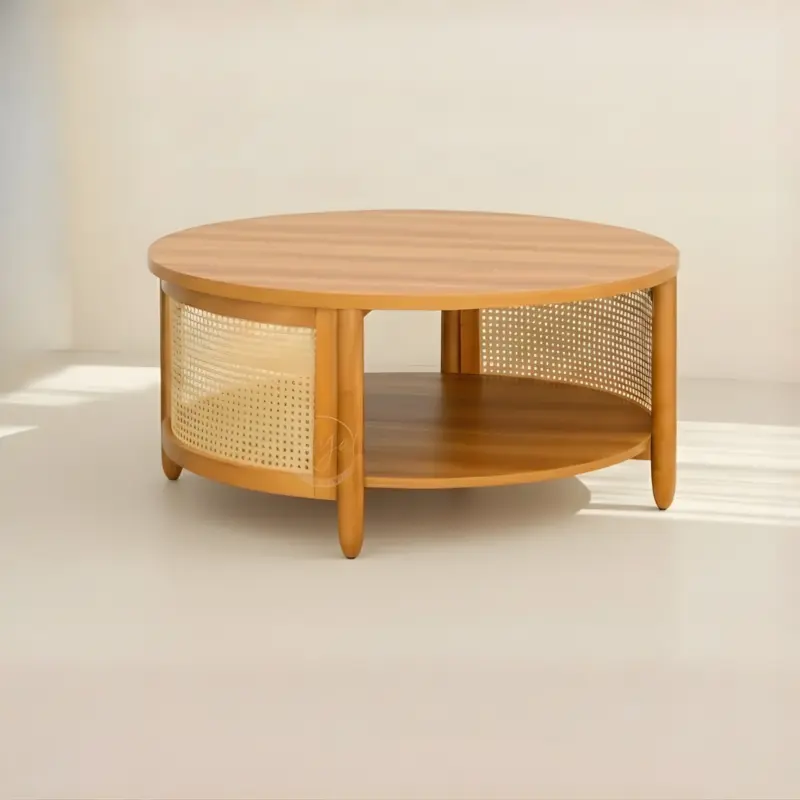
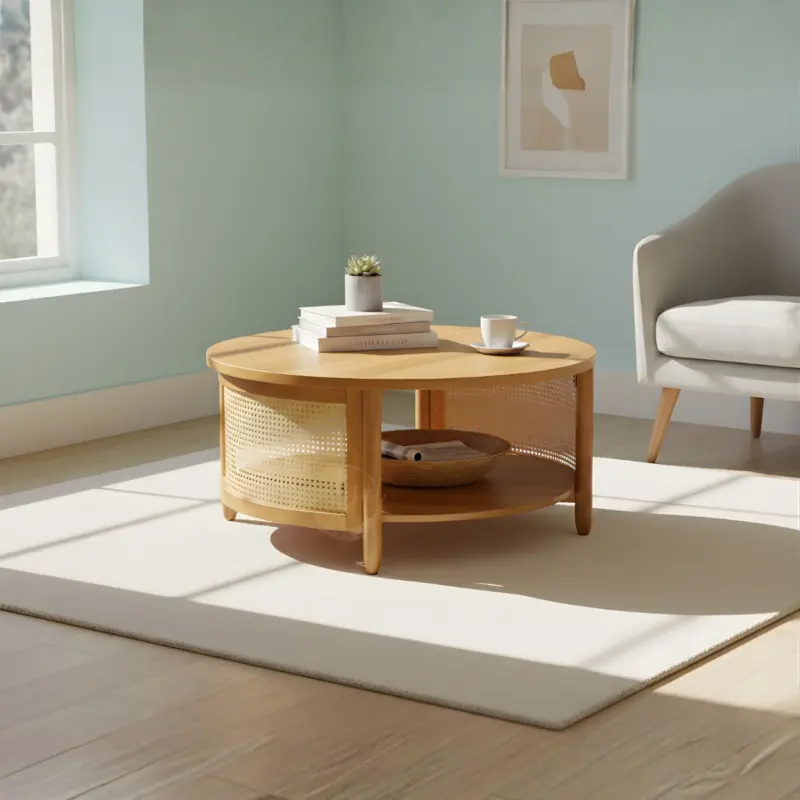
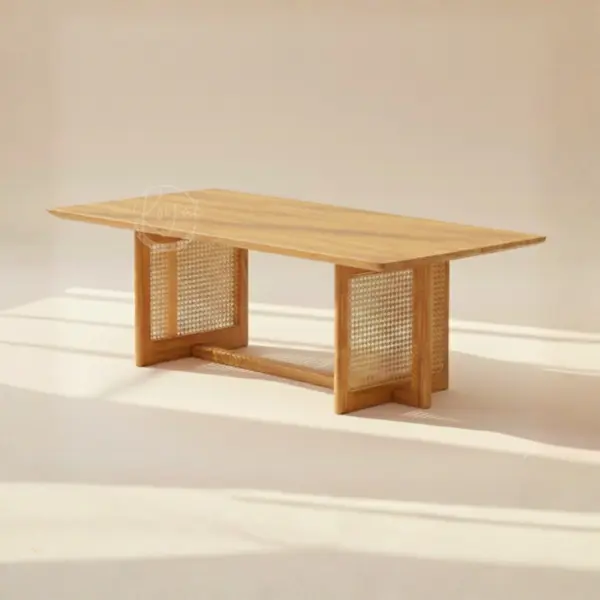
Royal Nilcan Teak Wooden Cane Coffee Table
- Authentic, Premium-Quality Nilambur Wild Teak
- Handcrafted by Skilled Artisans
- Sustainably Sourced and Eco-Friendly
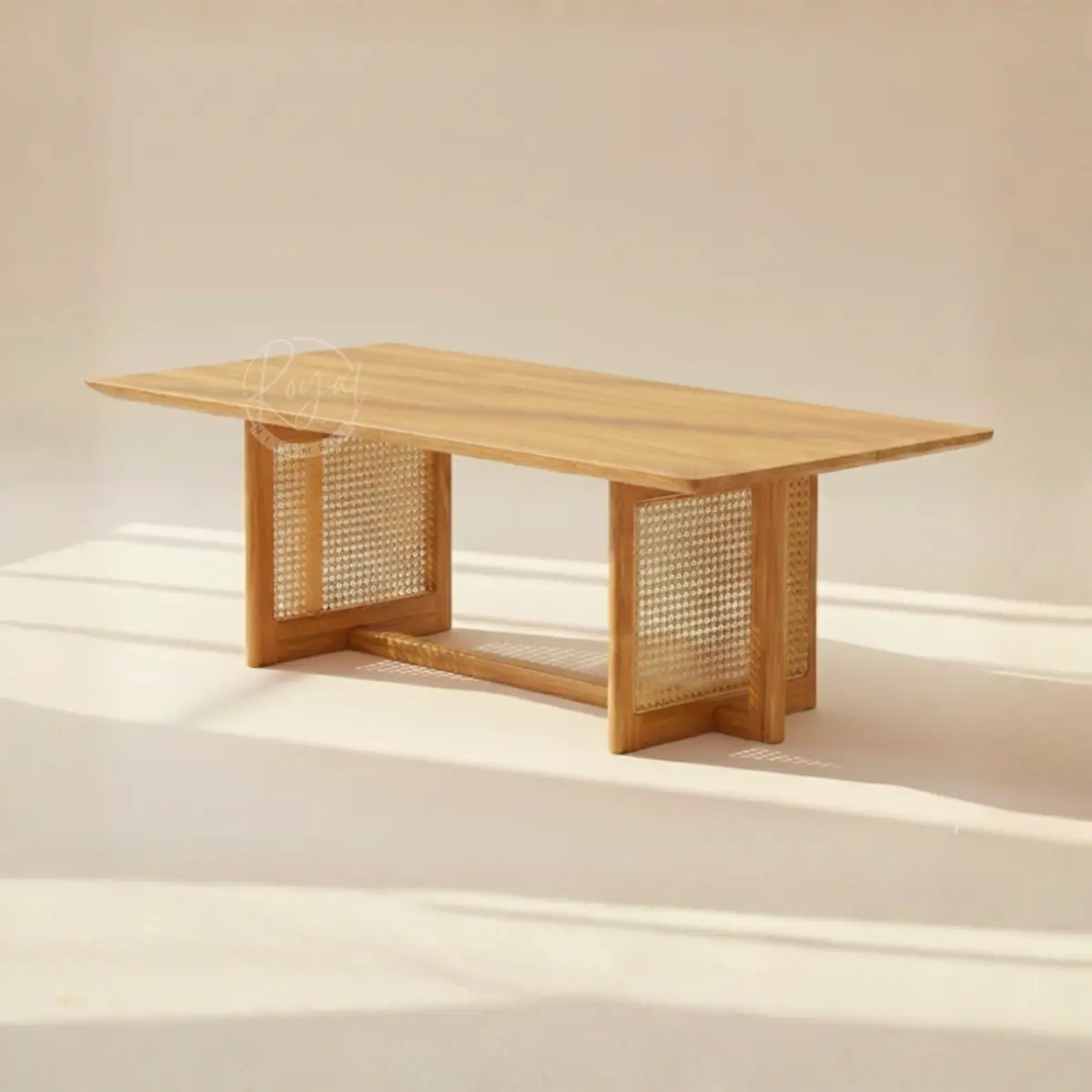
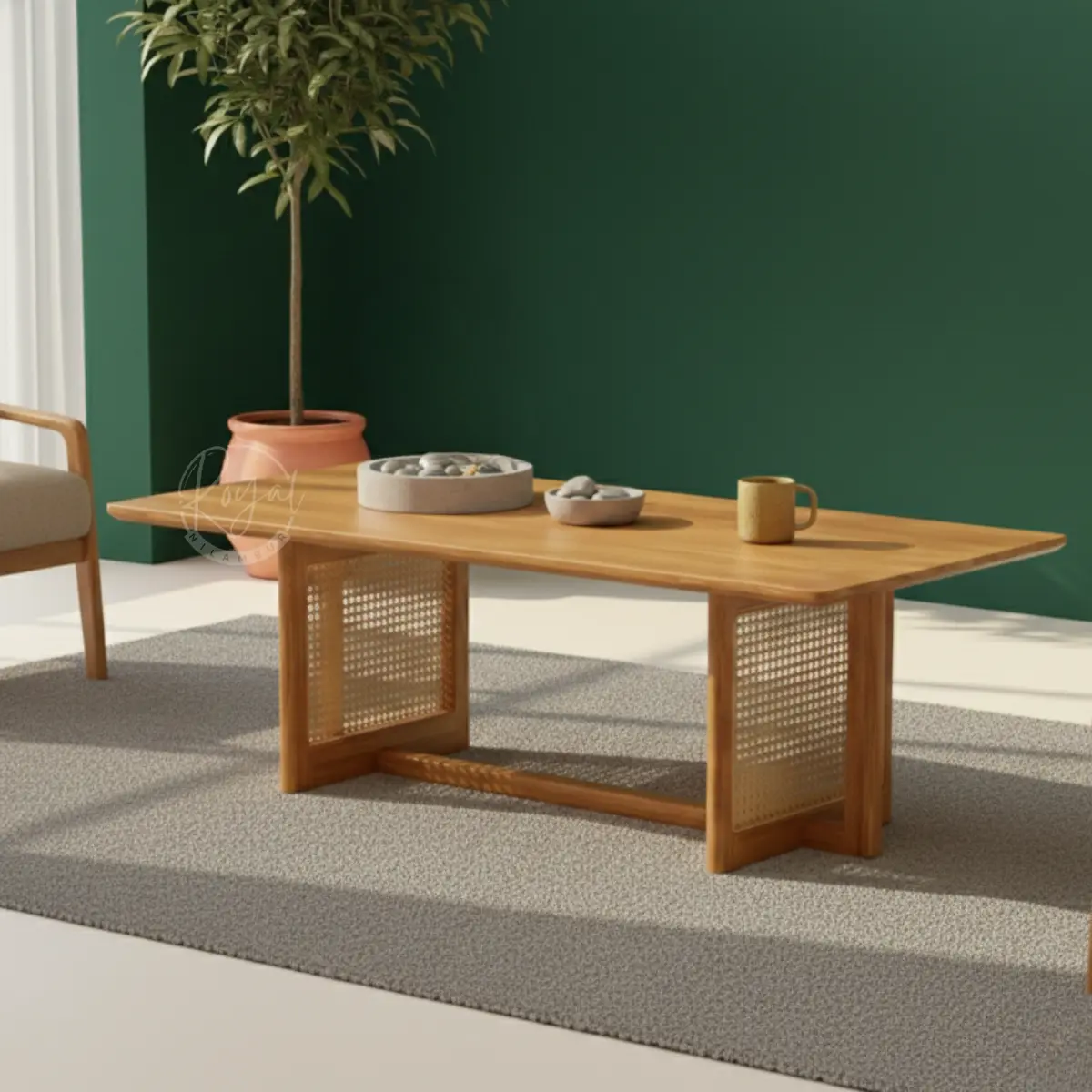
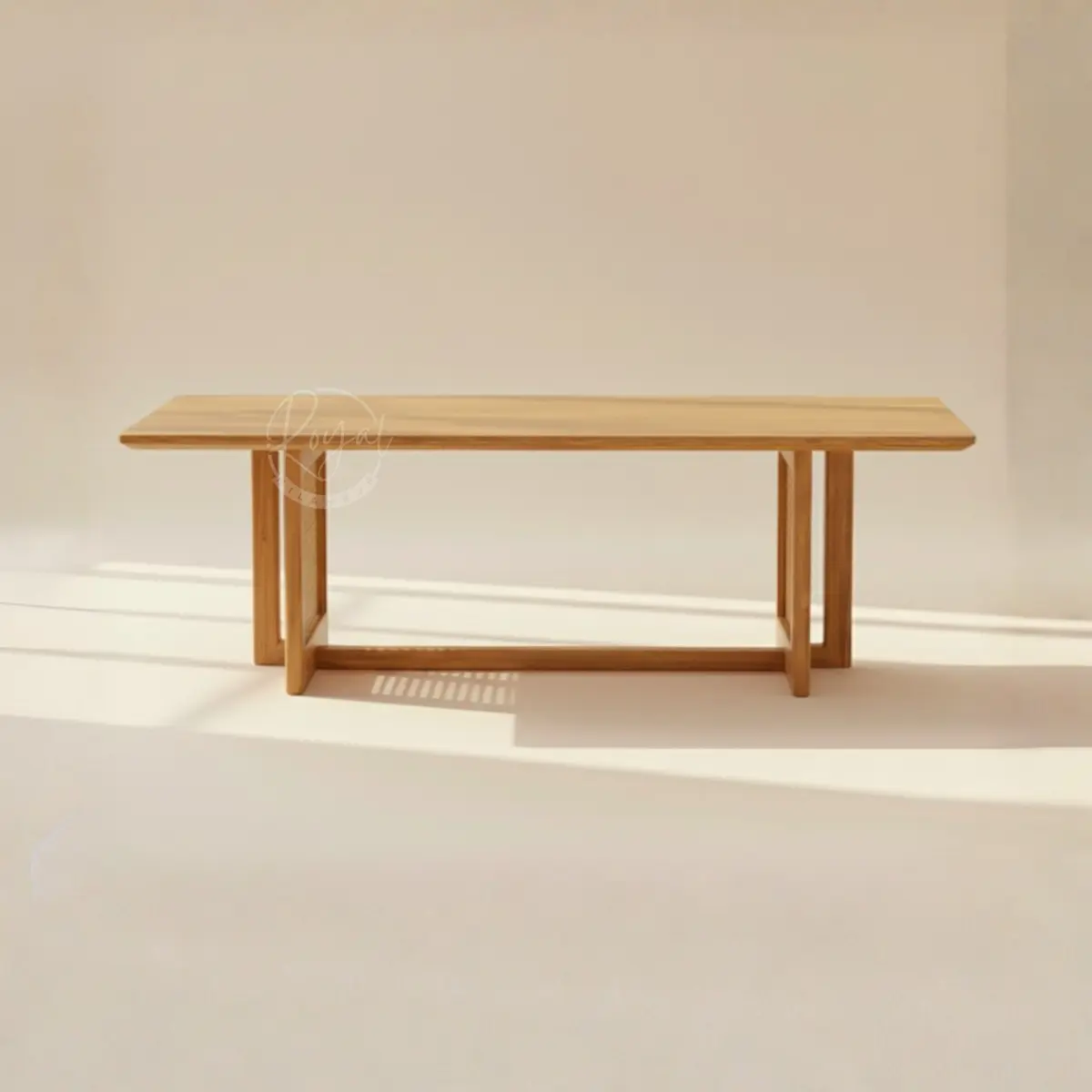
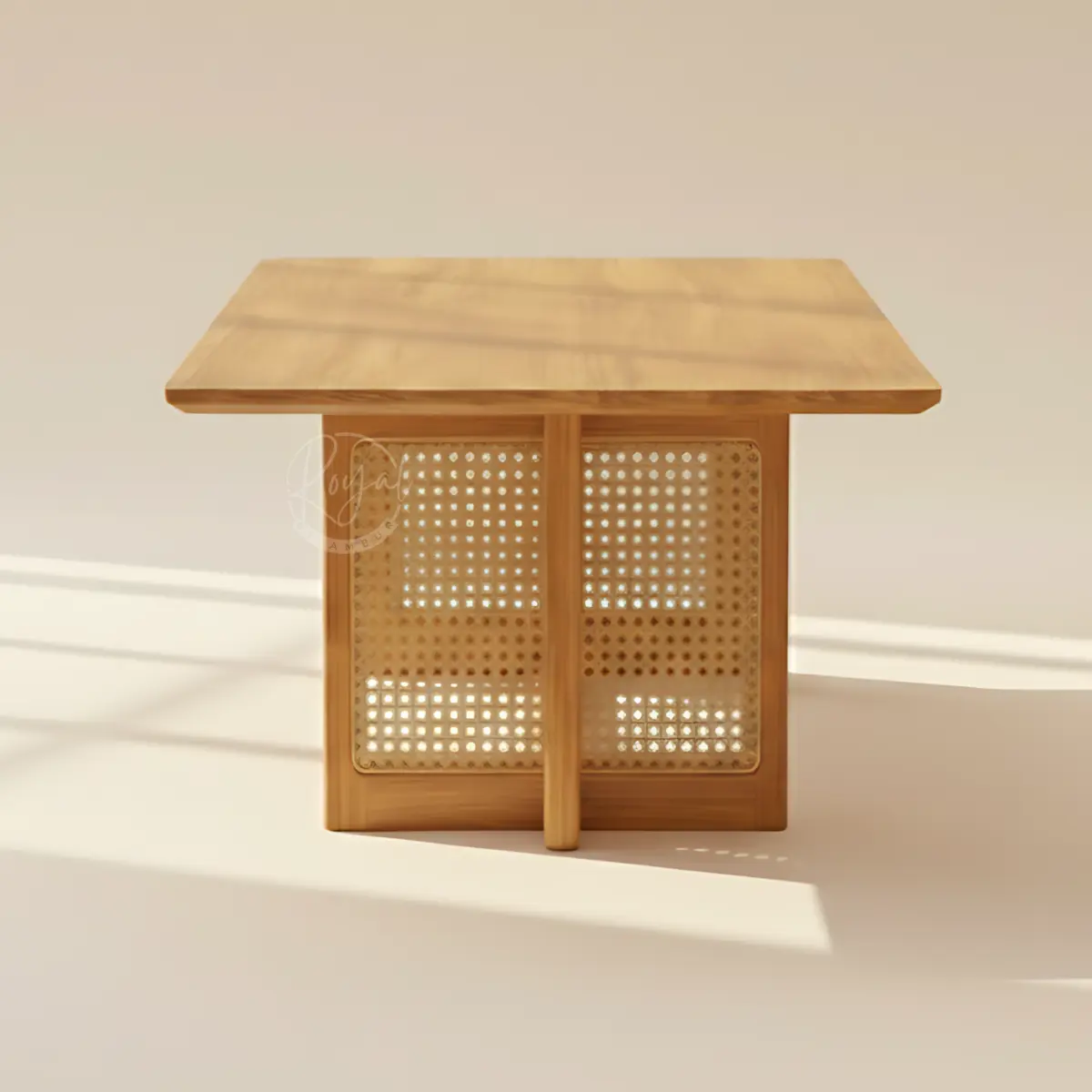
Teak wooden cane coffee table that defines mid-century sophistication—introducing the Royal Nilcan. This contemporary teak wooden cane coffee table features distinctive X-base support with hand-woven cane panels on both sides, solid teak tabletop with rounded edges, horizontal stretcher reinforcement, and premium teak construction. Crafted from high-quality teak showcasing rich golden honey tones and beautiful grain patterns. Perfect for modern spaces seeking furniture combining functional surface area with timeless mid-century design and artisan cane craftsmanship.
₹33,500.00 Original price was: ₹33,500.00.₹29,999.00Current price is: ₹29,999.00.
Enjoy the convenience of free delivery to Kerala, Karnataka, Tamil Nadu, Andhra Pradesh and Telangana! If you're located somewhere else, please don't hesitate to reach out to us; we're here to help you!
- Delivery Areas: We deliver to Kerala, Karnataka, and Tamil Nadu. If you live outside these states, feel free to contact us for special arrangements.
- Crafting & Delivery Time: As we handcraft every piece with care, shipping usually takes about 3 weeks. We’ll keep you updated every step of the way.
- Quality Assurance: Rest assured, our products undergo strict quality checks before leaving our workshop.
- Defect Handling: If your product has a manufacturing defect, we’re here to help! We’ll either repair it or offer an exchange, depending on the issue. Repairs will be arranged for minor defects to ensure your product is as good as new.
- Complaint Period: We encourage you to inspect your order upon delivery and report any issues within 12 hours for a quick resolution.
- Order Cancellations: Changed your mind? No problem! You can cancel your order within 12 hours by contacting our customer care team. We’ll process the cancellation immediately.
- Refund Process: Once your order is canceled, we’ll initiate the refund. Your refund will reflect in your account as per your bank’s standard processing time.
To maintain the beauty of your Nilambur teak wood furniture for generations, follow this simple and effective care guide.:
- Regular Cleaning: Wipe your teak furniture with a soft cloth and a mix of mild soap and water to remove dirt and grime. For deeper cleaning, you can use a teak-specific cleaner. Be gentle to avoid damaging the wood’s surface.
- Avoid Harsh Chemicals: Stick to mild cleaning solutions. Avoid abrasive cleaners or steel wool, which can damage the wood's surface.
- Protect from Sunlight: Keep your teak wood away from direct sunlight to prevent fading or drying out. Use curtains or shades to reduce exposure if the furniture is near windows.
- Oil and Seal: Although teak naturally produces oils, you can occasionally apply a teak protector or sealer to maintain its golden color and protect it from UV rays and moisture. Avoid over-oiling, as teak wood doesn’t need it frequently.
Product details
| Color |
Golden – Natural Nilambur Teak Color |
|---|---|
| Material |
Authentic Nilambur Wild Teak Wood |
| Warranty |
Royal Nilambur Lifetime Assurance Warranty |
| Brand |
Royal Nilambur |
Description
The Royal Nilcan teak wooden cane coffee table brings mid-century modern elegance to contemporary homes. This beautifully proportioned piece features a distinctive X-base support structure with hand-woven cane panels, solid teak tabletop, horizontal stretcher reinforcement, and premium construction—creating furniture that serves as both functional surface and artistic statement. Crafted from high-quality teak with hand-woven natural cane detailing, this modern design serves as the centerpiece that anchors living spaces while honoring mid-century furniture design principles.
What makes this teak wooden cane coffee table special is its masterful integration of structural innovation with natural materials. The X-base design provides exceptional stability while creating visual lightness through geometric form. The hand-woven cane panels on both side supports add organic texture and breathable quality while maintaining structural integrity. The solid teak tabletop offers generous surface area for beverages, books, decorative objects, or daily living needs. The horizontal stretcher connecting the base panels adds reinforcement preventing lateral movement. The rounded table edges provide safety and refined finishing. Every element reflects furniture philosophy where engineering and aesthetics unite seamlessly.
The proportions of this teak wooden cane coffee table create versatile functionality suitable for various seating arrangements. The length accommodates standard sofa widths providing convenient reach from seating positions. The height works appropriately for comfortable use while seated on sofas or chairs. The width balances surface area with circulation space preventing rooms from feeling cramped. The overall dimensions work beautifully in living rooms, family rooms, lounge areas, or home offices.
This teak wooden cane coffee table works beautifully in interiors embracing mid-century modern, Scandinavian, contemporary, or minimalist aesthetics. The clean design suits spaces where furniture should feel sophisticated yet functional. The warm teak tones add natural warmth to modern color palettes. The cane detailing provides textural contrast against smooth surfaces. The quality construction ensures this isn't temporary furniture—it's designed to serve families for generations.
The natural teak finish on this teak wooden cane coffee table displays rich golden honey tones with distinctive grain patterns flowing throughout the tabletop and base. The hand-woven cane adds natural texture and visual interest. Over time, the teak develops deeper patina while the cane ages gracefully, ensuring your coffee table grows more distinguished with use.
Experience functional artistry with the Royal Nilcan teak wooden cane coffee table—where form meets function beautifully.
Discovering Coffee Table Design Excellence
Finding a teak wooden cane coffee table that achieves genuine design innovation—not merely functional surface but architectural centerpiece—requires exceptional craftsmanship and aesthetic vision. The Royal Nilcan teak wooden cane coffee table embodies both magnificently. Handcrafted by Royal Nilambur with attention to mid-century design principles and structural engineering, this table delivers the visual impact and practical functionality that sophisticated living requires.
This teak wooden cane coffee table succeeds through intelligent integration of structural design with natural materials creating harmonious composition. Traditional coffee tables often rely on simple four-leg designs or basic box frames—functional but predictable. This table distinguishes itself through the distinctive X-base structure that provides exceptional stability while creating visual drama. The hand-woven cane panels on both side supports add organic warmth contrasting beautifully with the smooth teak surfaces. The generous tabletop provides practical surface area. The horizontal stretcher reinforces the base structure. This teak wooden cane coffee table demonstrates how thoughtful design can elevate utilitarian furniture into artistic statements.
The design philosophy underlying this teak wooden cane coffee table addresses contemporary living space challenges. Modern homes demand furniture serving multiple needs—functional daily utility, visual centerpiece capability, conversation starter appeal, and quality construction justifying investment. Multi-functional furniture delivering across these categories provides exceptional value. This teak wooden cane coffee table fits that category elegantly—beautiful enough to anchor sophisticated interiors while practical enough for daily family use. The design proves furniture can satisfy both aesthetic aspirations and practical requirements when approached thoughtfully.
The Royal Nilcan teak wooden cane coffee table represents furniture designed for real living rather than showroom display. This isn't precious object too valuable for actual use—it's practical furniture built for daily family life. The tabletop accommodates actual beverages, books, remotes, decorative objects, and varied living room needs. The structure withstands daily use. The sturdy construction resists wear. The design succeeds because it prioritizes user needs alongside aesthetic excellence. This teak wooden cane coffee table proves beautiful furniture can serve practically rather than existing merely as decorative objects.
Coffee table furniture like this teak wooden cane coffee table creates organized environments supporting better daily experiences. Central gathering surfaces encourage family interaction, provide convenient beverage placement during entertaining, display personal treasures or decorative objects, and organize living room essentials preventing clutter. The specific uses vary but the principle remains—well-designed furniture improves daily life by providing both beauty and utility. This teak wooden cane coffee table facilitates those experiences through thoughtful design combining exceptional materials with expert craftsmanship.
The attention to detail throughout this teak wooden cane coffee table demonstrates comprehensive thinking where every element receives equal consideration. The teak grain showcases beautiful natural patterns—not hidden but celebrated through quality finishing. The cane weaving displays expert tension and pattern consistency. The X-base joinery creates structural integrity while remaining visually refined. The edge rounding provides safety and finishing quality. This balance distinguishes furniture serving users well from pieces where only visible surfaces receive attention while hidden elements disappoint.
The cultural relevance of quality furniture connects this teak wooden cane coffee table to broader movements toward intentional living and sustainable consumption. As people potentially seek furniture lasting decades rather than disposable pieces requiring replacement every few years, investment in quality craftsmanship gains appeal. This teak wooden cane coffee table fits that philosophy—expertly constructed furniture designed for generational service rather than short-term use. This durability resonates with contemporary values around sustainability, quality appreciation, and thoughtful consumption. Learn more about <a href="https://royalnilambur.com/coffee-tables/" target="_blank" rel="dofollow">premium teak coffee tables and modern furniture design</a>.
Understanding X-Base Structural Innovation
The X-base support structure of this teak wooden cane coffee table represents engineering innovation providing both exceptional stability and distinctive aesthetic character. Understanding this base design reveals the structural advantages and craftsmanship creating reliable performance alongside visual appeal.
The X-configuration geometry of this teak wooden cane coffee table creates inherent structural advantages over traditional leg designs. The crossed panels distribute loads broadly across four ground contact points creating stable footprint resisting tipping or wobbling. The triangulated structure created by the crossing provides exceptional rigidity preventing racking or lateral movement that could compromise stability. The geometry allows thinner panel members than equivalent four-leg designs would require because the crossed configuration multiplies structural efficiency. This teak wooden cane coffee table's confident stable stance proves the X-base engineering achieved optimal balance between strength and visual elegance.
The panel width selection for this teak wooden cane coffee table's X-base supports balances structural requirements with aesthetic proportions. Wide panels would provide excessive strength but appear heavy and clunky. Narrow panels might appear elegant but risk inadequate strength or visual fragility. The chosen width achieves strength adequacy while maintaining the visual lightness characteristic of mid-century design. The panels must resist bending under tabletop loads while maintaining graceful appearance. This teak wooden cane coffee table's perfectly proportioned base demonstrates how engineering calculations inform aesthetic decisions successfully.
The crossing angle of this teak wooden cane coffee table's X-base affects both stability and visual character. Steeper crossing angles create taller narrower bases while shallower angles create lower wider bases. The specific angle chosen creates appropriate table height for coffee table function while establishing the distinctive visual profile. The symmetry between the two crossed panels ensures balanced load distribution and harmonious appearance. This teak wooden cane coffee table's confident geometry proves the angle selection achieved ideal functional and aesthetic balance.
The joint construction where this teak wooden cane coffee table's base panels cross requires advanced carpentry creating strong intersection withstanding significant forces. The panels must connect securely at the crossing point resisting both vertical loads from the tabletop and lateral forces from use. Traditional joinery techniques like half-lap joints where each panel receives a recess allowing flush crossing create mechanical interlock. Modern adhesives complement mechanical joints providing complete connection. Reinforcing hardware may add security while remaining invisible. This teak wooden cane coffee table's robust base proves joinery expertise separating master craftsmanship from lesser work.
The cane panel integration within this teak wooden cane coffee table's X-base supports adds both visual interest and functional benefits. The cane panels occupy the triangular spaces created by the crossed supports creating substantial surfaces showcasing the handwoven craft. The open weave provides visual transparency preventing the base from appearing as solid mass that would seem heavy. The natural material adds organic warmth contrasting with the geometric structure. The breathable quality ensures air circulation. This teak wooden cane coffee table demonstrates how decorative elements can serve multiple purposes when integrated intelligently.
The ground contact design on this teak wooden cane coffee table's X-base ensures floor protection and stability. The four contact points where base panels meet floors may feature protective feet—felt pads, rubber caps, or integrated floor protectors preventing scratches on hardwood or tile. The contact area must be adequate distributing loads preventing floor denting or furniture sinking into soft surfaces like carpet. The level accuracy ensures all four points contact simultaneously preventing wobbling from uneven support. This teak wooden cane coffee table's stable stance proves attention to these foundational details.
The proportional relationship between this teak wooden cane coffee table's base and tabletop creates visual harmony essential to successful furniture design. The base footprint must be adequate providing stability without extending excessively beyond the tabletop creating awkward appearance or toe-stubbing hazards. The base height positions the tabletop at appropriate coffee table height typically 16-18 inches accommodating comfortable use from seated positions. The visual weight balance ensures neither element dominates creating top-heavy or bottom-heavy appearance. This teak wooden cane coffee table's balanced proportions demonstrate comprehensive design thinking.
The finishing quality on this teak wooden cane coffee table's X-base ensures comprehensive attention extending to all surfaces. The panel faces must be sanded smooth throughout. The edges receive rounding preventing sharp corners. The finish coats must cover all surfaces evenly including hard-to-reach intersection areas. The cane frames require precise construction and finishing. This comprehensive finishing separates furniture displaying quality throughout from pieces where only easily visible surfaces receive attention. This teak wooden cane coffee table demonstrates quality extending everywhere.
Hand-Woven Cane Panel Integration
The hand-woven cane panels integrated into this teak wooden cane coffee table's X-base structure represent traditional craft technique requiring specialized skill while providing both functional and aesthetic benefits. Understanding these panels reveals the artistry and practical advantages creating distinctive furniture character.
The cane material selection for this teak wooden cane coffee table ensures quality and longevity. Genuine rattan cane comes from the outer layer of rattan palms—different from bamboo or synthetic substitutes sometimes marketed as "cane." The natural material provides flexibility allowing intricate weaving while maintaining strength for structural applications. The uniform diameter and color ensure consistent appearance across woven areas. Proper processing removes bark and smooths surfaces preventing splinters or rough textures. This teak wooden cane coffee table's premium cane proves commitment to authentic materials throughout construction.
The weaving pattern employed in this teak wooden cane coffee table's panels creates both structural integrity and visual appeal. The standard six-way weave creates strong mesh with characteristic hexagonal openings. The diagonal crossings create rhythmic pattern catching light beautifully. The consistent tension across panels prevents sagging or loose spots that would compromise both appearance and function. The edge securing technique anchors the weave permanently preventing unraveling over time. This teak wooden cane coffee table's tight consistent weaving demonstrates master craftsmanship.
The frame construction containing this teak wooden cane coffee table's cane panels requires precision woodworking creating strong borders receiving the woven cane. The teak frames must remain flat without warping that would cause the cane to buckle or pull loose. The hole patterns drilled in frame edges must align accurately enabling geometric weaving progression. The frame joinery must create rigid structures supporting the woven cane permanently. The frames integrate into the overall X-base structure becoming structural elements rather than merely decorative additions. This teak wooden cane coffee table's integrated construction proves comprehensive engineering throughout design.
The tension control during weaving this teak wooden cane coffee table's cane panels requires expert technique achieving uniform tightness across entire surfaces. Too-loose weaving creates flimsy panels with visible gaps while too-tight weaving may tear the cane or create excessive internal stress causing future problems. The proper tension allows slight give under pressure while maintaining overall tautness. Consistent tension ensures even appearance without visible variations suggesting amateur work. This teak wooden cane coffee table's perfect panels prove skilled artisan workmanship.
The visual contribution of this teak wooden cane coffee table's cane panels adds organic texture contrasting beautifully with smooth teak surfaces. The woven pattern creates visual interest rewarding close examination while maintaining unified appearance from distance. The natural color complements teak's golden tones harmoniously. The visible craftsmanship adds artisan quality distinguishing handmade furniture from mass-produced alternatives. The transparency created by the open weave provides visual lightness preventing the base from appearing as solid heavy mass. This teak wooden cane coffee table proves how traditional techniques create contemporary beauty.
The functional benefits of this teak wooden cane coffee table's cane panels include visual transparency creating perceived lightness despite substantial structure. Solid panels would create visual mass making the base appear heavy and potentially dominating the design. The open weave maintains structural contribution while appearing delicate and refined. The natural material provides sustainability advantages over synthetic alternatives. The breathable quality ensures air circulation around the base. This teak wooden cane coffee table demonstrates how traditional materials provide modern functional advantages.
The maintenance requirements for this teak wooden cane coffee table's cane panels remain modest with quality materials and construction. The panels should be dusted regularly using soft brush attachments removing accumulated particles. Wiping with barely damp cloth removes any spills or stains promptly. Avoiding excessive moisture prevents potential weakening or staining. The natural cane may darken gradually with age developing attractive patina rather than deteriorating appearance. This teak wooden cane coffee table's durable cane rewards basic care with lasting performance.
The cultural heritage of cane weaving connects this teak wooden cane coffee table to furniture-making traditions spanning centuries across Asian cultures. Ancient craftsmen developed cane techniques creating durable beautiful furniture without modern materials or tools. Colonial trade spread cane furniture globally establishing enduring appreciation. Mid-century designers incorporated cane into iconic furniture pieces creating timeless designs still celebrated today. This teak wooden cane coffee table continues those traditions applying traditional craft to contemporary furniture serving modern lifestyles while honoring historical artistry.
Premium Teak Tabletop Construction
The foundation of this teak wooden cane coffee table's excellence lies in the premium teak tabletop—wood representing nature's finest furniture material offering natural characteristics unmatched by alternatives. The consistent warm color and beautiful grain patterns visible throughout showcase teak's exceptional qualities.
The teak species selection for this teak wooden cane coffee table ensures superior performance and appearance. Genuine teak (Tectona grandis) provides natural oils protecting against moisture, heat damage, and wear making it ideal for coffee table surfaces experiencing varied use. The tight grain density creates strong stable surfaces resisting scratching, denting, or warping. The dimensional stability prevents expansion or contraction during humidity changes maintaining flat true surfaces. The natural golden honey color provides warmth without staining or painting. This teak wooden cane coffee table's premium teak proves why this wood remains the gold standard for fine furniture construction.
The tabletop construction approach for this teak wooden cane coffee table may employ either solid wood or edge-glued panels depending on available timber widths and aesthetic preferences. Solid single-piece tops showcase uninterrupted grain patterns creating dramatic visual impact when available in required dimensions. Edge-glued panels join multiple narrow boards creating wide surfaces with varied grain creating visual interest. The gluing technique must create invisible joints appearing as continuous surfaces. The grain matching across joints demonstrates craftsman skill. This teak wooden cane coffee table's beautiful uniform top proves careful material selection and construction.
The grain orientation throughout this teak wooden cane coffee table's tabletop affects both appearance and stability. The grain typically runs lengthwise along the table creating visual flow directing eye movement along the major dimension. The straight grain provides optimal stability minimizing wood movement. Avoiding wild grain or defects maintains both structural integrity and visual appeal. The natural variations within acceptable grain patterns add character preventing monotonous appearance. This teak wooden cane coffee table's attractive grain displays prove careful wood selection throughout construction.
The edge treatment on this teak wooden cane coffee table provides both safety and refined finishing quality. The rounded edges eliminate sharp corners preventing injury risks particularly important in family homes with children. The edge profile creates shadow lines adding subtle visual interest and dimensional depth. The finishing must extend completely around edges ensuring comprehensive protection and appearance quality. The transition from top surface to edge must be smooth and consistent. This teak wooden cane coffee table's refined edges demonstrate attention to details affecting both safety and aesthetics.
The surface preparation for this teak wooden cane coffee table requires extensive sanding progressing through increasingly fine grits creating perfectly smooth surfaces. Coarse grits remove mill marks and level surfaces initially. Medium grits eliminate coarse scratches. Fine grits create final smoothness enabling proper finish adhesion and creating pleasant tactile experience. The sanding must be thorough and consistent avoiding swirl marks or uneven areas. The final surface should feel silky smooth to touch. This teak wooden cane coffee table's perfect surface proves proper preparation enabling quality finishing.
The finish application on this teak wooden cane coffee table protects the wood while enhancing natural beauty. Teak oil finishes penetrate wood fibers providing protection from within while allowing natural color development and grain visibility. Polyurethane topcoats add surface protection against spills, heat, and wear while potentially adding slight amber warmth. The finish should enhance grain visibility rather than obscuring it beneath heavy coatings. Multiple thin coats build protection gradually rather than thick single applications that may crack or peel. This teak wooden cane coffee table's beautiful finish demonstrates proper application techniques.
The attachment method connecting this teak wooden cane coffee table's top to the base must accommodate wood movement while providing secure connection. Traditional methods like tabletop fasteners or wooden buttons allow lateral movement while preventing vertical separation. The attachment points distribute loads preventing concentration that could cause splitting or failure. The method should remain invisible from normal viewing angles maintaining clean appearance. The connection must be adequate supporting expected loads during use and potential abuse. This teak wooden cane coffee table's secure top proves engineering consideration accompanies aesthetic design.
The historical appreciation for teak connects this teak wooden cane coffee table to furniture-making traditions spanning centuries. Teak's superiority for furniture construction has been recognized globally across cultures. The wood's natural oil content provides inherent protection superior to most alternatives. The beautiful grain patterns create visual interest without requiring decorative veneers or finishes. Modern designers continue specifying teak for premium furniture combining traditional appreciation with contemporary aesthetics. This teak wooden cane coffee table honors those traditions while serving contemporary needs. Discover more about <a href="https://en.wikipedia.org/wiki/Teak" target="_blank" rel="dofollow">teak wood properties and history</a>.
Horizontal Stretcher Engineering
The horizontal stretcher connecting this teak wooden cane coffee table's X-base panels represents critical structural element providing stability and rigidity to the overall design. Understanding this component reveals the engineering creating reliable performance through comprehensive structural design.
The stretcher positioning on this teak wooden cane coffee table affects both structural performance and visual proportions. The placement typically occurs in the lower third of the base height providing maximum leverage resisting lateral spreading of the base panels. Too high reduces structural effectiveness while too low risks foot contact during use. The specific height creates optimal balance between structural efficiency and practical clearance. This teak wooden cane coffee table's perfectly positioned stretcher proves thoughtful engineering balancing structural and functional needs.
The stretcher dimensions on this teak wooden cane coffee table must provide adequate strength preventing base panel spreading under loads. The cross-sectional size must resist bending forces attempting to push base panels outward. Too small creates inadequate strength while too large appears visually heavy disrupting the refined aesthetic. The length spans between base panels connecting them rigidly. The dimensional selection demonstrates engineering calculations determining adequate sizing. This teak wooden cane coffee table's appropriately sized stretcher proves structural analysis informed design decisions.
The joinery connecting this teak wooden cane coffee table's stretcher to base panels requires robust construction resisting significant forces. The connections must prevent both rotation and lateral movement maintaining rigid geometric relationships. Traditional mortise-and-tenon joints create mechanical interlocks stronger than surrounding wood. Reinforcing dowels may add additional security. Modern adhesives complement mechanical joints providing complete connection. The joinery must remain invisible maintaining clean appearance. This teak wooden cane coffee table's solid construction proves joinery expertise throughout assembly.
The grain orientation in this teak wooden cane coffee table's stretcher affects strength and appearance. The grain should run along the stretcher length maximizing strength in the direction experiencing greatest stress. Straight grain without defects provides optimal structural performance. The visible surfaces should show attractive grain complementing the overall design. Wood selection ensures adequate quality for this critical structural element. This teak wooden cane coffee table's properly oriented stretcher demonstrates attention to both engineering and aesthetic considerations.
The finishing quality on this teak wooden cane coffee table's stretcher ensures comprehensive attention extending to all elements. The surfaces must be sanded smooth matching the quality throughout the piece. The edges may receive slight rounding preventing sharp corners. The finish coats must cover completely ensuring protection and uniform appearance. This comprehensive finishing proves quality standards apply everywhere rather than only to prominent surfaces. This teak wooden cane coffee table demonstrates quality throughout every component.
The visual contribution of this teak wooden cane coffee table's stretcher adds horizontal element creating visual rhythm complementing the crossing diagonals of the X-base. The parallel orientation provides contrast with the angled panels. The lower positioning creates visual anchoring suggesting stability and weight. The element demonstrates how structural components can contribute aesthetically when designed thoughtfully rather than appearing as awkward additions. This teak wooden cane coffee table proves comprehensive design thinking integrating structure and aesthetics seamlessly.
The maintenance considerations for this teak wooden cane coffee table's stretcher match general care requirements—simple dusting and occasional wiping maintaining appearance. The lower positioning may accumulate dust requiring periodic attention during cleaning. The structural role means any loosening or damage requires prompt repair preventing progressive deterioration. The quality construction minimizes maintenance concerns through robust initial assembly. This teak wooden cane coffee table's reliable structure rewards basic care with lasting performance.
Creating Functional Living Spaces
The presence of this teak wooden cane coffee table in living environments creates functional organization transforming ordinary rooms into spaces supporting comfortable daily living. Understanding this functional contribution reveals how furniture choices impact lifestyle quality beyond mere aesthetic considerations.
The central gathering function of this teak wooden cane coffee table creates convenient surface area accessible from surrounding seating supporting varied activities. The table provides convenient beverage placement preventing spills on sofas or carpets. The surface accommodates books, magazines, or tablets during reading. Remote controls, phones, and living room necessities find organized homes preventing constant searching. Decorative objects, plants, or personal treasures display beautifully. The specific uses vary but the principle remains—central surfaces improve daily convenience significantly. This teak wooden cane coffee table facilitates organized comfortable living through thoughtful functional design.
The conversation facilitation created by this teak wooden cane coffee table establishes natural gathering focus encouraging family interaction and guest entertaining. Seated groups naturally orient toward central tables creating inclusive arrangements promoting conversation. The table provides neutral focus preventing awkward direct face-to-face seating that can feel confrontational. The surface accommodates shared items like snacks, beverages, or games during gatherings. The functional role extends beyond physical utility into social facilitation. This teak wooden cane coffee table demonstrates how furniture placement affects social dynamics positively.
The visual anchoring provided by this teak wooden cane coffee table establishes focal point organizing living room design around quality centerpiece. The substantial presence naturally draws attention serving as starting element around which other furnishings arrange. The warm teak tones provide color foundation informing accent selections. The mid-century design establishes aesthetic direction guiding complementary choices. The artisan craftsmanship signals quality expectations for surrounding elements. This teak wooden cane coffee table demonstrates how signature furniture pieces elevate entire spaces rather than merely occupying floor area.
The spatial organization facilitated by this teak wooden cane coffee table creates functional zones supporting varied activities within larger rooms. The table and surrounding seating define primary gathering area for conversation, entertainment, or relaxation. The arrangement creates natural traffic flow patterns around furniture groupings. The overall footprint balances functionality with circulation space maintaining comfortable rather than cramped environments. Open floor plans particularly benefit from furniture arrangements creating defined zones within larger spaces. This teak wooden cane coffee table's appropriate sizing demonstrates how furniture selection supports functional spatial planning.
The height appropriateness of this teak wooden cane coffee table ensures comfortable use from seated positions on sofas or chairs. Standard coffee table heights typically range 16-18 inches accommodating comfortable reaching from seated positions without awkward stretching or bending. The specific height chosen creates easy access for placing or retrieving items. Too-high tables feel awkward while too-low tables prove inconvenient. This teak wooden cane coffee table's proper height proves dimensional planning considered ergonomic requirements alongside aesthetic preferences.
The surface area provided by this teak wooden cane coffee table balances generous utility with appropriate proportions preventing overwhelming dominance in rooms. The rectangular top provides substantial surface accommodating multiple simultaneous uses—beverages for several people, decorative objects, functional items. The dimensions remain appropriate for typical living room sizes avoiding excessive size creating cramped feelings or inadequate size limiting utility. This teak wooden cane coffee table's well-proportioned top demonstrates how sizing affects both function and aesthetic integration.
The styling platform created by this teak wooden cane coffee table enables personal expression through curated object displays reflecting individual taste and interests. Coffee table books showcase interests or aesthetics. Decorative bowls or trays organize smaller items attractively. Plants bring living elements into spaces. Sculptural objects add artistic interest. Seasonal decorations allow periodic refreshing. The arrangements should enhance rather than clutter the table maintaining both beauty and function. This teak wooden cane coffee table's generous surface accommodates varied styling approaches successfully.
The multi-generational appeal of this teak wooden cane coffee table creates furniture serving families through life stages. Young families use surfaces for children's activities, games, or casual dining. Adults appreciate elegant entertaining capability and daily convenience. Empty nesters enjoy quality craftsmanship and timeless design. The durability ensures furniture survives active family use maintaining appearance and function through decades. This teak wooden cane coffee table proves quality furniture adapts to changing household needs rather than requiring replacement as circumstances evolve.
Construction Techniques and Joinery
The construction methods employed in this teak wooden cane coffee table combine traditional joinery wisdom with contemporary manufacturing precision creating furniture achieving both authentic character and reliable performance. Understanding these techniques reveals the craftsmanship separating quality furniture from mass-produced alternatives.
The mortise-and-tenon joinery fundamental to this teak wooden cane coffee table creates mechanical interlocks stronger than surrounding wood. The technique involves cutting precise mortise (hole) in one piece and corresponding tenon (projection) on joining piece. The tenon fits snugly into mortise creating large glue surface area and mechanical lock. Properly executed joints resist pulling apart even without adhesive while modern glues make connections virtually permanent. Multiple joints throughout the structure create interconnected framework distributing loads broadly rather than concentrating stress. This teak wooden cane coffee table's robust joinery proves traditional techniques remain superior for quality furniture construction.
The precision cutting required for this teak wooden cane coffee table ensures tight-fitting joints creating structural integrity. Mortises must be sized accurately—too small prevents assembly while too large creates loose joints compromising strength and appearance. Tenons require corresponding precision matching mortise dimensions exactly. The cutting must be square and straight—angled or wavy surfaces prevent proper seating. Modern machinery enables consistent precision across multiple pieces ensuring uniform quality. Hand finishing may refine machine work achieving perfect fits. This teak wooden cane coffee table's precise joinery demonstrates manufacturing expertise throughout production.
The X-base crossing joint on this teak wooden cane coffee table represents particularly challenging construction requiring compound angle cutting and precise fitting. The half-lap joint where panels cross must be cut accurately creating flush surfaces when assembled. The depth must be exactly half panel thickness ensuring panels align perfectly when crossed. The width must match panel widths exactly. Any errors create visible gaps or uneven surfaces. This teak wooden cane coffee table's perfect crossing proves advanced craftsmanship throughout production.
The glue application technique for this teak wooden cane coffee table ensures maximum bond strength. Modern wood glues create bonds stronger than surrounding wood when applied properly. The joint surfaces must be clean and freshly cut—old or dirty surfaces prevent proper adhesion. The glue must coat all surfaces completely without excessive squeeze-out wasting material and creating cleanup challenges. The assembly must occur within the glue's working time before initial set begins. Clamping pressure must be adequate spreading glue evenly without excessive force crushing wood fibers. This teak wooden cane coffee table's permanent joints prove proper gluing technique throughout assembly.
The clamping process during this teak wooden cane coffee table's assembly requires specialized equipment and technique ensuring joints close completely while components align perfectly. Multiple clamps distributed across assemblies apply even pressure preventing distortion. The clamping pressure must be adequate without excessive force damaging wood. Careful alignment ensures structures remain square and true rather than developing twist or misalignment. Clamping time must be sufficient allowing complete glue cure before removing pressure. Protective blocks prevent clamp jaws marring finished surfaces. This teak wooden cane coffee table's perfect geometry proves careful assembly practices throughout production.
The cane frame integration within this teak wooden cane coffee table's base structure requires precise dimensioning ensuring frames fit perfectly within X-base panels. The frames must be constructed flat and square matching intended dimensions exactly. The attachment to surrounding teak structures must be secure preventing separation or movement. The integration should appear seamless rather than obviously added afterthought. This teak wooden cane coffee table's integrated construction demonstrates comprehensive planning throughout design and production.
The finishing process for this teak wooden cane coffee table involves multiple steps transforming raw components into beautiful furniture. Sanding progresses through increasingly fine grits eliminating scratches and creating smooth surfaces. Edge rounding prevents sharp corners. Oil or polyurethane finishes protect surfaces while allowing natural beauty to show. Multiple thin coats build protection gradually. Final buffing creates lustrous surface. The cane panels may receive finish protecting while maintaining natural appearance. This teak wooden cane coffee table's beautiful finish proves proper technique throughout finishing stages.
The quality control inspection for this teak wooden cane coffee table ensures consistent standards. Visual inspection identifies surface defects requiring correction. Structural testing verifies joint strength and overall stability. Dimension checking confirms specifications were met. Surface flatness receives scrutiny ensuring true tops without warping. Finish quality ensures consistent appearance. Deficient pieces undergo remediation or rejection preventing substandard furniture reaching customers. This teak wooden cane coffee table's reliable quality proves comprehensive inspection throughout production.
Mid-Century Modern Design Heritage
The mid-century modern design aesthetic embodied in this teak wooden cane coffee table connects to influential movement transforming furniture design during the mid-20th century. Understanding this heritage reveals how historical innovation continues influencing contemporary furniture serving modern needs.
The mid-century period (roughly 1945-1969) saw furniture designers exploring new forms breaking from traditional ornate styles toward cleaner simplified aesthetics. The movement embraced organic forms, honest construction where structure showed rather than hiding beneath decoration, integration of natural materials, and innovative structural solutions creating distinctive pieces. This teak wooden cane coffee table embodies these principles through its X-base innovation, natural material celebration, visible craftsmanship, and clean elegant lines. The design demonstrates how mid-century principles remain relevant rather than merely historical curiosities.
The influential designers whose work parallels this teak wooden cane coffee table explored innovative support structures and material combinations. The X-base concept appears in various mid-century designs creating stable supports with minimal visual mass. The cane integration reflects broader material exploration characteristic of the era. The overall aesthetic channels the optimism and innovation defining the period. This teak wooden cane coffee table proves those design principles created timeless rather than trendy furniture continuing to serve contemporary needs effectively. Learn more about <a href="https://en.wikipedia.org/wiki/Mid-century_modern" target="_blank" rel="dofollow">mid-century modern design movement and history</a>.
The material honesty principle central to mid-century design appears throughout this teak wooden cane coffee table. The teak shows clearly rather than hiding beneath paint or veneers. The cane weaving displays openly celebrating rather than concealing craftsmanship. The structural elements remain visible showing how the table achieves stability. The construction methods reveal rather than disguise joinery and assembly. This honesty creates authenticity distinguishing quality furniture from pieces where cheap materials hide beneath decorative disguises. This teak wooden cane coffee table demonstrates how material truth creates beauty.
The structural innovation emphasis in mid-century design influenced this teak wooden cane coffee table's X-base concept creating stability through geometric efficiency rather than mass. The movement rejected unnecessary bulk favoring intelligent structural solutions achieving strength through form rather than material excess. The X-base provides exceptional stability from relatively thin panels creating visual lightness while maintaining performance. This engineering thinking characterizes mid-century innovation. This teak wooden cane coffee table continues that tradition proving structural intelligence creates both performance and beauty.
The integrated design approach characteristic of mid-century furniture appears in this teak wooden cane coffee table where every element serves multiple purposes. The X-base provides stability, creates distinctive aesthetic character, and frames the cane panels simultaneously. The cane panels offer structural contribution, visual interest, and material contrast. The tabletop delivers functionality while showcasing beautiful wood. Nothing exists purely for decoration—every element justifies presence through function alongside beauty. This integrated thinking creates efficient elegant furniture avoiding unnecessary complexity.
The democratic design principle attempted making quality furniture accessible to broader populations rather than remaining luxury goods for wealthy elites only. Mid-century designers explored efficient manufacturing, simplified forms reducing labor costs, and innovative techniques lowering production expenses while maintaining quality and beauty. This teak wooden cane coffee table continues that tradition providing quality craftsmanship and materials at achievable rather than astronomical pricing. The design proves democratic principles need not compromise quality when approached thoughtfully.
The enduring popularity of mid-century design proves its principles created timeless rather than dated furniture. Contemporary furniture designers continue drawing inspiration from mid-century innovations. Vintage mid-century pieces command premium prices in antique markets. New production continues meeting demand for this aesthetic. This teak wooden cane coffee table demonstrates why—the design principles created beautiful functional furniture transcending specific historical moments remaining relevant to contemporary living. The timeless appeal proves excellent design ages gracefully rather than becoming obsolete.
The cultural legacy of mid-century modern design extends beyond furniture affecting architecture, graphics, product design, and broader aesthetic sensibilities. The movement helped establish modernism as mainstream rather than niche taste. The influence appears in contemporary design across disciplines. This teak wooden cane coffee table participates in that legacy applying established principles to contemporary furniture continuing the tradition while serving current needs effectively.
Investment in Quality Furniture
The decision to acquire this teak wooden cane coffee table represents significant furniture investment requiring thoughtful consideration of value, durability, and long-term satisfaction. Understanding the investment rationale reveals why quality furniture justifies premium pricing through lasting value.
The initial cost consideration for this teak wooden cane coffee table exceeds mass-produced alternatives but reflects genuine value rather than excessive markup. The premium materials—solid teak rather than composite boards or veneers, real cane rather than plastic imitations, quality hardware and joinery—cost substantially more than inferior alternatives. The skilled labor required for traditional joinery, hand cane weaving, and quality finishing commands fair compensation. The quality control ensuring consistent standards adds cost but guarantees satisfaction. This teak wooden cane coffee table's pricing reflects real value rather than arbitrary premium.
The longevity expectation for this teak wooden cane coffee table spans decades with proper care potentially providing generational service. Quality teak furniture commonly serves 50+ years while maintaining functionality and beauty. The solid construction withstands daily use without developing wobbles or failures plaguing cheaper furniture within years. The timeless design prevents stylistic obsolescence—mid-century modern remains perpetually relevant rather than becoming dated. The durable materials resist wear maintaining appearance rather than deteriorating rapidly. This teak wooden cane coffee table proves quality furniture represents true long-term investment rather than disposable temporary accommodation.
The cost-per-year analysis comparing this teak wooden cane coffee table against cheaper alternatives reveals superior value. A $1200 coffee table serving 40 years costs $30 annually while a $300 table requiring replacement every 5 years costs $60 annually—double the actual cost despite lower initial pricing. The calculation excludes the inconvenience, disposal challenges, and environmental impact from repeated replacement. This teak wooden cane coffee table's durability creates genuine economic advantage beyond intangible quality benefits.
The resale value retention for quality furniture like this teak wooden cane coffee table maintains significant worth unlike disposable alternatives declining to worthlessness. Well-maintained vintage mid-century furniture commands premium prices in secondary markets. Even used quality pieces sell readily while cheap furniture struggles finding buyers even at minimal prices. The retention means eventual replacement or downsizing doesn't represent total financial loss. This teak wooden cane coffee table maintains value proving sound economic decision beyond mere utility.
The satisfaction factor from this teak wooden cane coffee table delivers daily enjoyment justifying investment through improved quality of life. Beautiful functional furniture enhances daily experiences in ways difficult to quantify financially. The pleasure from quality surroundings affects mood, stress levels, and overall wellbeing. The confidence hosting guests in spaces containing quality furniture provides social benefits. The pride of ownership creates ongoing satisfaction rather than buyer's remorse characterizing poor purchases. This teak wooden cane coffee table's ownership proves investment in personal wellbeing alongside practical furniture acquisition.
The environmental consideration favoring this teak wooden cane coffee table's durability reduces consumption and waste. Furniture requiring replacement every few years multiplies resource consumption—additional trees logged, energy expended in manufacturing, transportation emissions, and landfill space occupied by discards. Long-lasting furniture minimizes these impacts through extended service from single production. The responsible teak sourcing ensures sustainable forestry rather than deforestation. This teak wooden cane coffee table proves environmentally conscious choice aligning with sustainability values increasingly important to thoughtful consumers.
The comparative value assessment positions this teak wooden cane coffee table against alternatives revealing superior characteristics. Cheap particleboard tables deteriorate rapidly lacking structural integrity or appearance quality. Mid-range wood veneer tables may look acceptable initially but rarely survive long-term use. Only solid wood construction provides genuine durability. The teak species specifically offers superior performance over domestic hardwoods. The hand-woven cane adds artisan quality unavailable in mass production. This teak wooden cane coffee table's comprehensive quality distinguishes it from lesser alternatives clearly.
The heirloom potential of this teak wooden cane coffee table creates furniture potentially serving multiple generations becoming family pieces carrying memories and history. Quality furniture develops character and patina over decades enhancing rather than diminishing appeal. The pieces connect families to shared histories and memories. The passing to subsequent generations provides both practical utility and sentimental value. This teak wooden cane coffee table proves investment in family heritage alongside immediate functionality.
Room Styling and Configuration Ideas
The versatility of this teak wooden cane coffee table enables numerous styling and arrangement approaches creating varied effects supporting different interior design aesthetics. Understanding these possibilities reveals how thoughtful configuration and accessorizing maximizes furniture value and visual impact.
The minimalist styling approach places this teak wooden cane coffee table center stage with minimal accessories allowing furniture beauty to dominate. Perhaps a single sculptural object or small plant provides subtle accent without cluttering the surface. This approach works beautifully in spaces embracing minimalist or Scandinavian aesthetics where "less is more" philosophy prevails. The clean lines and beautiful materials deserve appreciation without excessive decoration competing for attention. This styling proves the teak wooden cane coffee table's inherent quality creates beauty without requiring extensive accessorizing.
The curated display styling arranges this teak wooden cane coffee table with carefully selected objects creating composed vignettes. Coffee table books stack artfully showcasing interests or aesthetics. A decorative bowl or tray organizes smaller items. A small plant or floral arrangement adds living element. Perhaps one distinctive sculptural object provides focal interest. The arrangement follows odd-number principles (groups of 3 or 5) and varied heights creating visual interest. This styling demonstrates how thoughtful curation enhances rather than overwhelms furniture character. This teak wooden cane coffee table provides perfect platform for personal expression through object selection.
The functional-casual styling treats this teak wooden cane coffee table as working surface accommodating daily living needs practically. Books, magazines, and tablets scatter casually suggesting real use. Remote controls rest conveniently accessible. Coasters protect surfaces from beverage condensation. Perhaps a small tray corrals smaller items preventing chaos. This approach prioritizes function over formality creating spaces feeling lived-in rather than staged. The styling proves quality furniture serves daily life beautifully rather than existing as untouchable display pieces. This teak wooden cane coffee table accommodates real family living gracefully.
The seasonal styling refreshes this teak wooden cane coffee table throughout the year creating periodic visual renewal without furniture replacement. Spring might feature fresh flowers in light colors creating airy feeling. Summer could incorporate natural elements like shells or driftwood. Fall introduces warm tones through foliage or decorative pumpkins. Winter allows holiday decorations or evergreen arrangements. The seasonal variations maintain interest while demonstrating furniture's adaptability. This teak wooden cane coffee table's neutral palette accommodates these variations beautifully.
The color coordination styling links this teak wooden cane coffee table's warm teak tones with complementary colors throughout the room creating cohesive design. Accessories might incorporate warm terracottas, sage greens, or rich browns echoing wood tones. Alternatively, contrast colors like deep blues or charcoal grays create drama against warm wood. The cream elements in nearby textiles might echo cane panel tones. The coordination creates intentional rather than haphazard appearance. This teak wooden cane coffee table anchors color schemes successfully.
The asymmetrical arrangement styling positions this teak wooden cane coffee table off-center within seating groupings creating dynamic rather than static compositions. Perhaps the table sits nearer one end of a sofa with chairs arranged at angles creating conversational triangle. The asymmetry prevents overly formal rigid appearance making spaces feel more relaxed and contemporary. The arrangement demonstrates how furniture placement affects perceived formality. This teak wooden cane coffee table's versatile design accommodates varied positioning approaches successfully.
The layered rug integration grounds this teak wooden cane coffee table atop area rugs defining zones while adding color and texture. The rug should be large enough accommodating all seating pieces plus the coffee table preventing awkward partial coverage. Natural fiber rugs like jute coordinate beautifully with organic furniture materials. Patterned rugs add visual interest while requiring careful color coordination. The rug selection dramatically affects overall aesthetic creating foundation for entire room design. This teak wooden cane coffee table coordinates with varied rug styles successfully.
The lighting consideration enhances this teak wooden cane coffee table's beauty through thoughtful illumination. Overhead lighting provides general illumination. Table lamps on nearby side tables create ambient glow. Perhaps floor lamps behind seating direct light downward highlighting the table surface. Natural light from windows brings out wood grain beauty throughout daily cycles. The lighting design should showcase furniture qualities effectively. This teak wooden cane coffee table's beautiful forms deserve lighting enhancing their character.
Maintenance and Long-Term Care
The proper maintenance and care for this teak wooden cane coffee table ensures lasting beauty and functionality through decades of service. Understanding appropriate care practices protects investment while minimizing effort required for upkeep.
The regular cleaning routine for this teak wooden cane coffee table involves simple practices requiring minimal time or specialized products. Dusting weekly using soft dry cloths or microfiber removes surface dust from teak surfaces and cane panels preventing accumulation. Wiping tabletop with barely damp cloth removes fingerprints or light soiling. The routine requires perhaps 5-10 minutes weekly maintaining furniture beauty with minimal effort. This simple maintenance prevents gradual deterioration from neglect while avoiding damage from excessive or improper cleaning.
The spill management for this teak wooden cane coffee table requires prompt attention preventing potential damage. Wiping spills immediately using absorbent cloths prevents moisture penetration or staining. Coffee, wine, or dark liquids pose particular concern requiring immediate cleanup. Avoiding standing water prevents potential finish damage or wood staining. Using coasters for beverages prevents moisture rings. The precautions prove simple protecting investment effortlessly. This teak wooden cane coffee table's quality finish provides inherent protection complemented by basic care.
The teak surface care for this teak wooden cane coffee table maintains wood beauty while protecting natural characteristics. Annual application of teak oil maintains rich color though many prefer allowing natural silvering developing graceful patina over years. The choice between maintained color and natural aging affects appearance but not durability. Avoiding harsh chemical cleaners prevents finish damage. Using furniture polish specifically formulated for wood maintains luster. This teak wooden cane coffee table's flexible care accommodates different aesthetic preferences successfully.
The cane panel maintenance for this teak wooden cane coffee table keeps woven surfaces clean and tight. Vacuuming using soft brush attachments removes dust from weave interstices inaccessible to cloth wiping. Wiping with barely damp cloth removes any spills or stains promptly. Avoiding excessive moisture prevents potential weakening or staining. Checking periodically for loose strands allows prompt repair preventing progressive unraveling. This teak wooden cane coffee table's durable cane rewards basic care with lasting performance.
The protection from environmental factors preserves this teak wooden cane coffee table against avoidable damage. Avoiding direct sunlight placement prevents potential fading though quality materials resist better than cheap alternatives. Maintaining moderate humidity prevents wood movement or cane loosening though teak's stability minimizes concerns. Using trivets or hot pads protects surfaces from heat damage. Coasters prevent moisture rings. Simple precautions prevent most potential damage easily. This teak wooden cane coffee table's quality construction minimizes maintenance concerns.
The scratch prevention and repair for this teak wooden cane coffee table maintains pristine appearance. Felt pads beneath decorative objects prevent scratching. Avoiding dragging items across surfaces prevents damage. Minor scratches respond to light sanding and oil application. Deeper damage may require professional refinishing. The prevention proves easier than repair making care worthwhile. This teak wooden cane coffee table's durable teak resists damage well compared to softer woods.
The seasonal care adjustments for this teak wooden cane coffee table accommodate environmental changes maintaining optimal condition. In dry winter climates, humidifiers prevent excessive wood drying. In humid summer climates, air circulation prevents cane moisture problems. Seasonal deep cleaning maintains freshness. The adjustments require minimal effort while preventing seasonal damage accumulating over years potentially compromising furniture condition unnecessarily. This teak wooden cane coffee table rewards seasonal attention with consistent performance.
The long-term value preservation for this teak wooden cane coffee table requires conscious care and protection. Maintaining original condition maximizes resale value if eventual replacement desired. Documentation including original purchase records assists insurance claims or resale. Proper cleaning and maintenance prevents depreciation from preventable neglect. The investment in care pays dividends through extended service life and maintained value. This teak wooden cane coffee table rewards care with lasting beauty and functionality spanning decades.
The Art of Coffee Table Selection
The process of selecting the ideal coffee table for living spaces involves thoughtful consideration of multiple factors ensuring furniture serves both practical and aesthetic needs successfully. Understanding these considerations reveals why this teak wooden cane coffee table represents excellent choice for discerning buyers.
The sizing appropriateness determines whether this teak wooden cane coffee table fits spaces effectively. The length should relate to sofa length—typically about two-thirds sofa width creates balanced proportions. The width must allow comfortable circulation around furniture groupings typically requiring 12-18 inches clearance minimum. The height should coordinate with seating typically matching seat cushion height or slightly lower. Proper sizing ensures furniture works practically rather than creating frustration through inadequate function or cramped spaces. This teak wooden cane coffee table's standard proportions suit most living room configurations successfully.
The style coordination ensures this teak wooden cane coffee table complements existing décor rather than clashing visually. The mid-century modern aesthetic works beautifully with Scandinavian, contemporary, minimalist, or eclectic interiors. The natural materials coordinate with organic or biophilic design trends. The clean lines suit modern spaces. The warm tones complement varied color palettes. The versatile design adapts to multiple aesthetics successfully. This teak wooden cane coffee table proves timeless design transcends specific style categories.
The material quality assessment separates this teak wooden cane coffee table from inferior alternatives. Solid teak construction outlasts veneer or composite alternatives dramatically. Hand-woven genuine cane provides authenticity synthetic materials cannot match. Quality joinery creates lasting structural integrity. Proper finishing protects while showcasing natural beauty. The material investment proves worthwhile through superior longevity and appearance. This teak wooden cane coffee table's premium materials justify pricing through genuine quality.
The functional requirements consideration ensures this teak wooden cane coffee table serves intended purposes effectively. The surface area must accommodate expected uses—beverages, books, decorative objects, occasional dining. The height must enable comfortable use from seated positions. The structure must withstand expected abuse from family living. Storage needs might influence decisions though this table prioritizes display and surface area over concealed storage. Clarifying functional priorities ensures satisfaction. This teak wooden cane coffee table excels in surface provision and visual appeal.
The lifestyle compatibility assessment considers how this teak wooden cane coffee table fits household circumstances. Families with young children might prefer easy-clean surfaces and rounded edges—this table provides both. Pet owners need durable construction resisting damage—teak's hardness provides that. Frequent entertainers require adequate surface area—the generous top delivers that. Empty nesters might prioritize aesthetics over extreme durability—this table excels there too. The considerations ensure furniture serves actual living situations rather than idealized circumstances. This teak wooden cane coffee table suits varied household types successfully.
The budget planning balances this teak wooden cane coffee table's premium pricing against long-term value. Quality furniture represents significant investment requiring financial planning. The durability justifies higher initial cost through extended service eliminating replacement expenses. The timeless design prevents obsolescence requiring replacement following style changes. The calculation should consider total lifetime costs rather than merely initial pricing. Financing options may make quality furniture accessible. This teak wooden cane coffee table proves sound financial decision when evaluated comprehensively.
Check our minimalist furniture care for tips. Explore our Nilambur teak minimalist collection.
Check our traditional furniture care guide for specific tips. Explore our Nilambur teak traditional collection for coordinating pieces.
The brand reputation and craftsmanship verification ensures this teak wooden cane coffee table represents genuine quality rather than marketing hype. Royal Nilambur's established reputation for quality teak furniture provides confidence. The visible craftsmanship evident in joinery, finishing, and cane weaving demonstrates skill. Customer reviews and testimonials offer real-world performance insights. Warranty coverage reflects manufacturer confidence. These factors distinguish quality furniture from inferior alternatives making similar aesthetic claims. This teak wooden cane coffee table's proven quality justifies confidence and investment.
About Us

Royal Nilambur
Handcrafted premium Nilambur teak wood furniture.

Have questions?
We're here to help! Please feel free to contact us.
Error: Contact form not found.
At Royal Nilambur, we are driven by a deep respect for nature and tradition. We believe that furniture should be more than just functional—it should be a lasting legacy that tells a story, honors craftsmanship, and reflects values of sustainability and heritage. Through our creations, we inspire people to cherish the beauty of nature in their homes and to invest in pieces that hold meaning beyond their material value.

Handcrafted Excellence

Premium Nilambur Teak Wood

Customizable Designs

Life Time Warranty
Customer Reviews
Only logged in customers who have purchased this product may leave a review.
Related Products
Why should I choose Royal Nilambur Wild Teak Furniture?
Royal Nilambur offers more than just furniture; we bring you timeless pieces crafted from the finest Nilambur wild teak, known for its exceptional strength and beauty. Each piece is handcrafted by skilled artisans who carry forward the rich tradition of Indian craftsmanship. When you choose us, you're investing in high-quality, durable furniture that reflects your refined taste and commitment to sustainability.
Is Nilambur teak really worth the investment?
Absolutely! Nilambur teak is one of the most prized woods in the world. It is known for its longevity, resistance to decay, and luxurious appearance. It's a premium material that only increases in value over time. With Royal Nilambur, you're not just buying furniture — you're investing in heirloom-quality pieces that will serve your family for generations.
Can I customize my furniture?
Of course! We understand that every home is unique, and we offer customization options to ensure that your furniture fits perfectly with your space and style. Whether you want to adjust the size, finish, or design, our team is here to bring your vision to life.
How do I know the quality of the furniture is authentic?
Royal Nilambur is dedicated to providing only the finest, ethically sourced Nilambur teak, which holds Geographical Indication (GI) certification. This certification ensures that our teak comes exclusively from the Nilambur region, which is recognized for producing the highest quality teak in the world. Our skilled artisans handcraft each piece using time-honored techniques that ensure strength, durability, and timeless aesthetic appeal. Additionally, we offer a warranty for every piece, giving you peace of mind that you've invested in a product that meets the highest standards of quality and authenticity.



Reviews
Clear filtersThere are no reviews yet.