




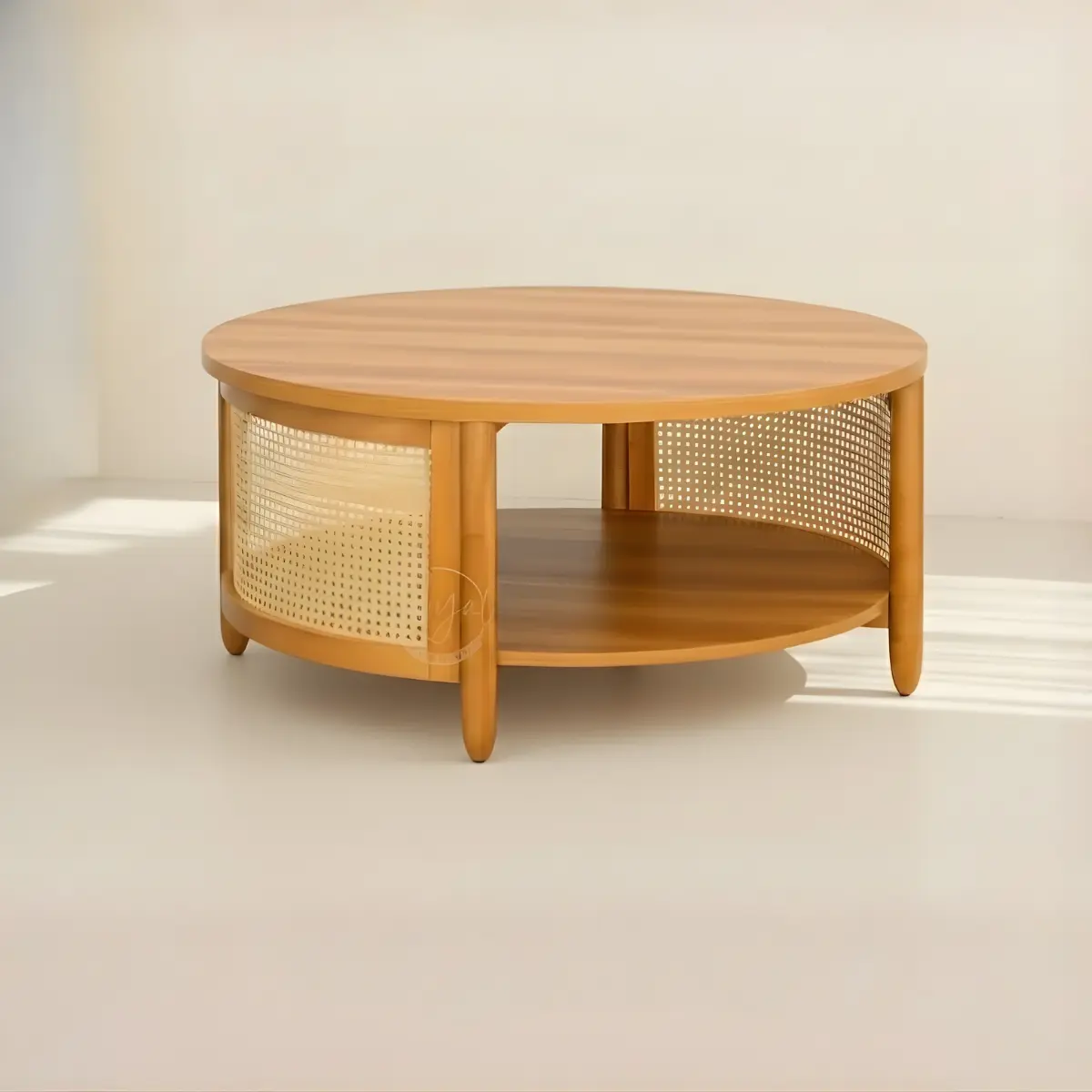
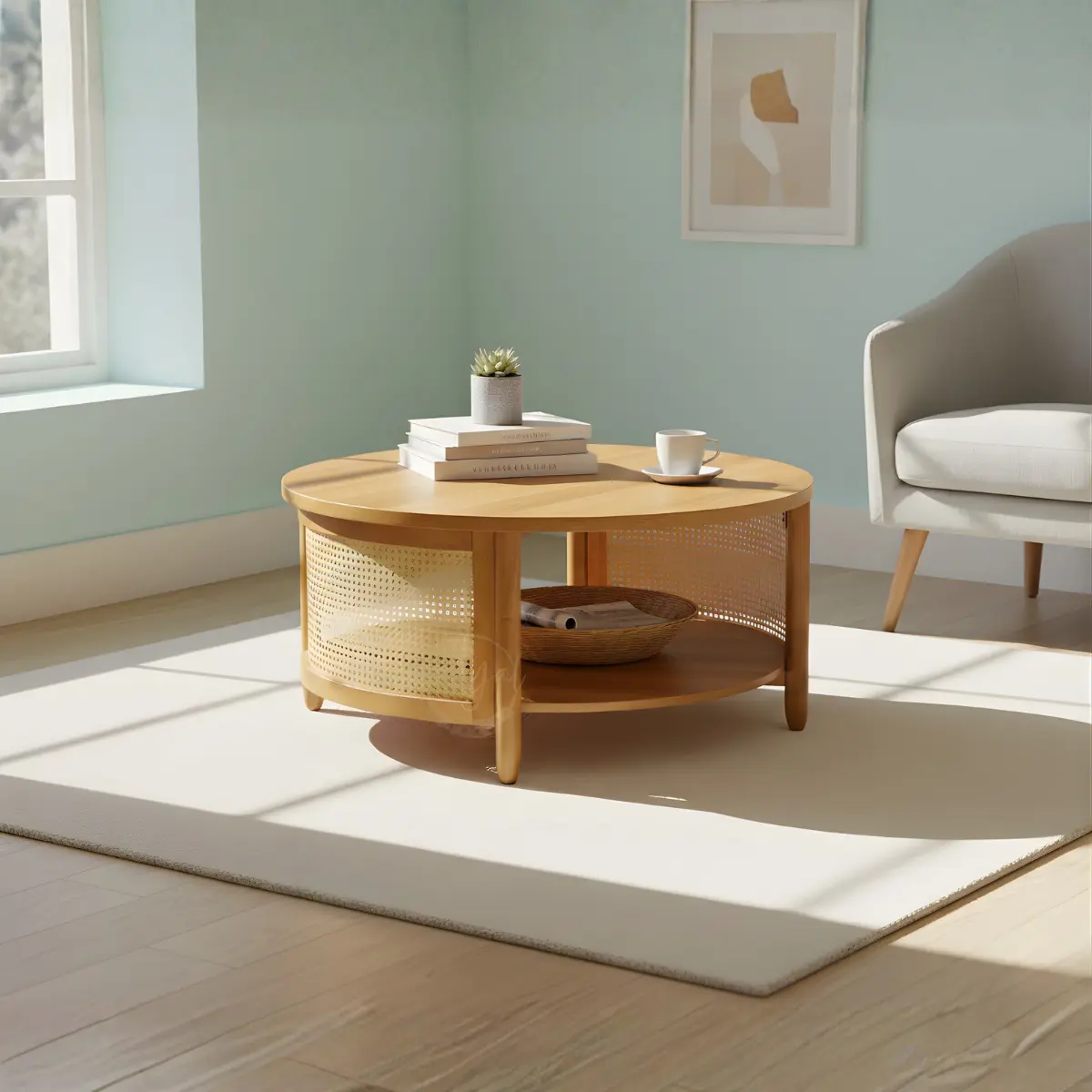
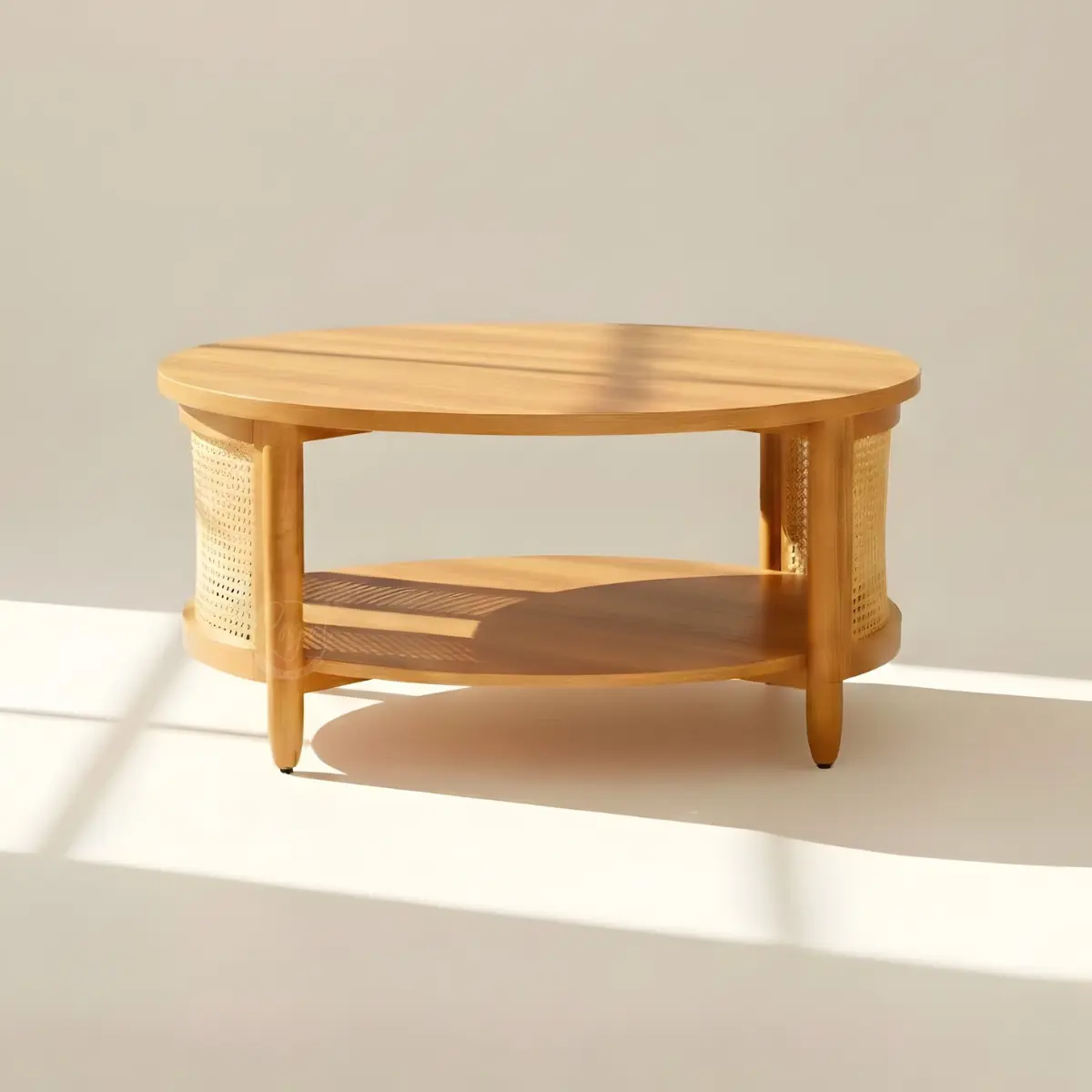

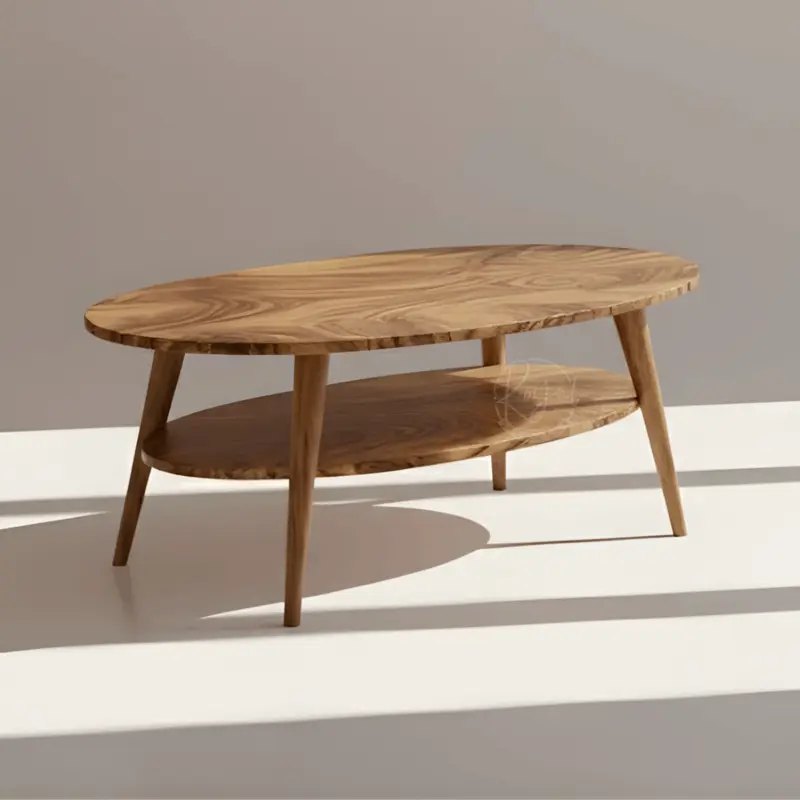
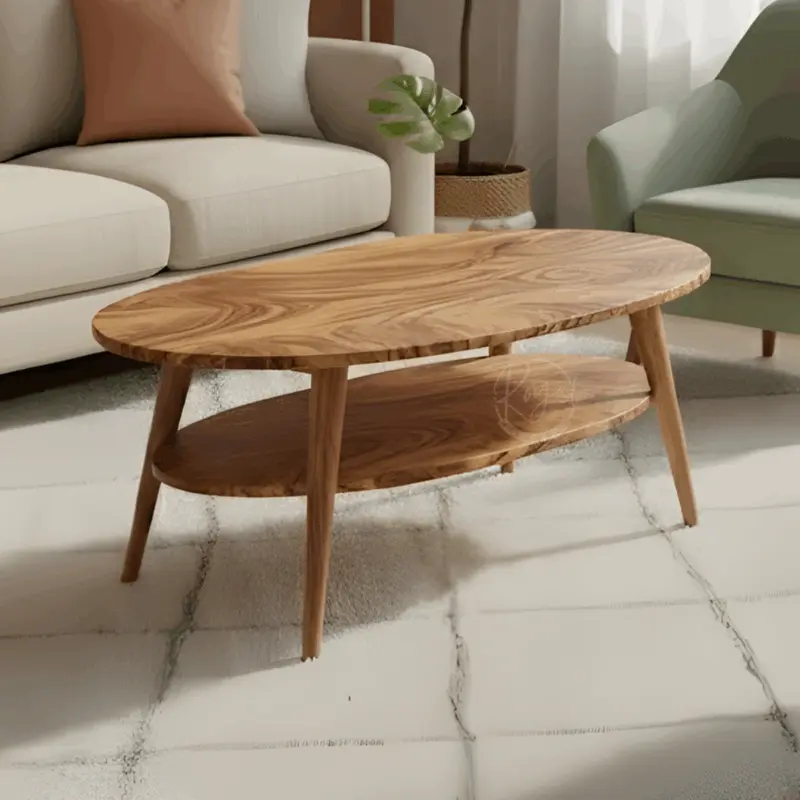
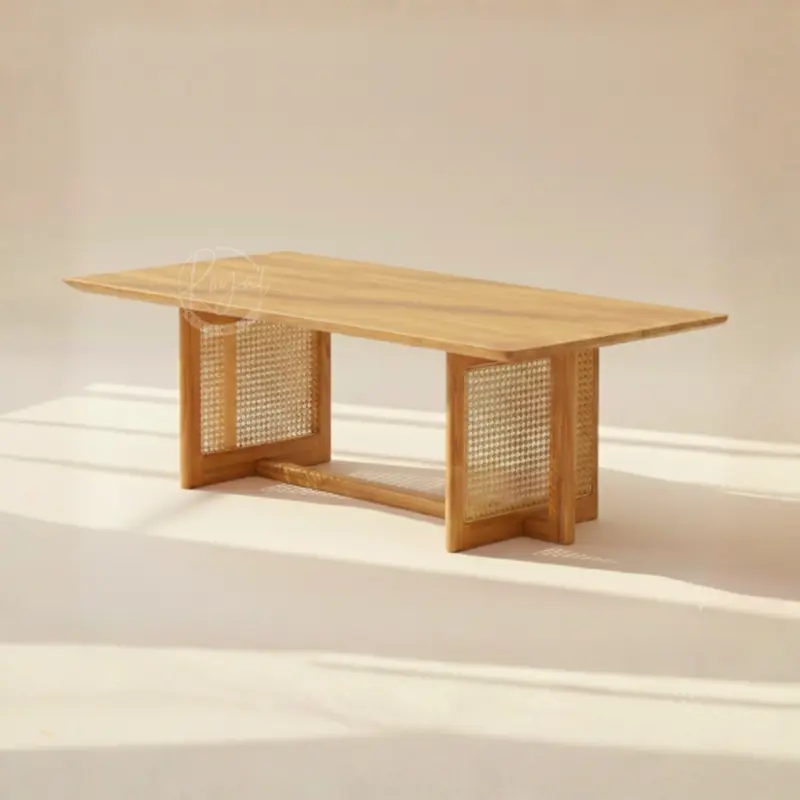
Royal Nilux Teak Wooden Cane Coffee Table
- Authentic, Premium-Quality Nilambur Wild Teak
- Handcrafted by Skilled Artisans
- Sustainably Sourced and Eco-Friendly
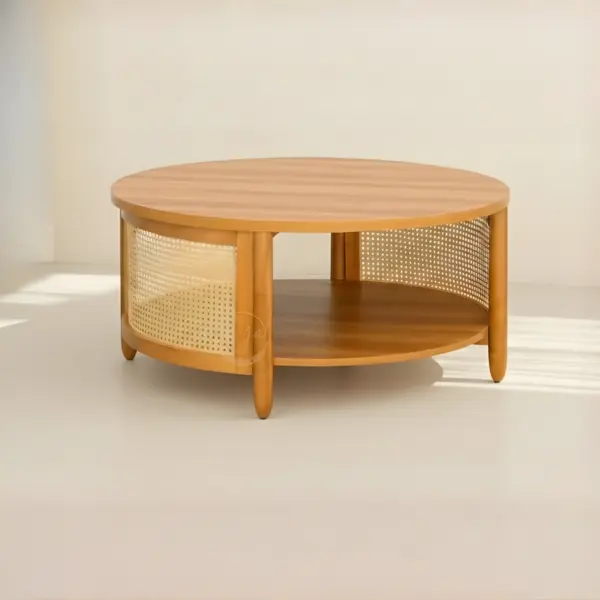
Teak wooden cane coffee table that defines circular sophistication—introducing the Royal Nilux. This contemporary teak wooden cane coffee table features round solid teak top, curved hand-woven cane side panels, lower circular shelf, rounded tapered legs, and premium teak construction. Crafted from high-quality teak showcasing rich golden honey tones and beautiful grain patterns. Perfect for modern spaces seeking furniture combining multi-level surface area with timeless mid-century circular design and artisan cane craftsmanship.
₹36,500.00 Original price was: ₹36,500.00.₹34,999.00Current price is: ₹34,999.00.
Enjoy the convenience of free delivery to Kerala, Karnataka, Tamil Nadu, Andhra Pradesh and Telangana! If you're located somewhere else, please don't hesitate to reach out to us; we're here to help you!
- Delivery Areas: We deliver to Kerala, Karnataka, and Tamil Nadu. If you live outside these states, feel free to contact us for special arrangements.
- Crafting & Delivery Time: As we handcraft every piece with care, shipping usually takes about 3 weeks. We’ll keep you updated every step of the way.
- Quality Assurance: Rest assured, our products undergo strict quality checks before leaving our workshop.
- Defect Handling: If your product has a manufacturing defect, we’re here to help! We’ll either repair it or offer an exchange, depending on the issue. Repairs will be arranged for minor defects to ensure your product is as good as new.
- Complaint Period: We encourage you to inspect your order upon delivery and report any issues within 12 hours for a quick resolution.
- Order Cancellations: Changed your mind? No problem! You can cancel your order within 12 hours by contacting our customer care team. We’ll process the cancellation immediately.
- Refund Process: Once your order is canceled, we’ll initiate the refund. Your refund will reflect in your account as per your bank’s standard processing time.
To maintain the beauty of your Nilambur teak wood furniture for generations, follow this simple and effective care guide.:
- Regular Cleaning: Wipe your teak furniture with a soft cloth and a mix of mild soap and water to remove dirt and grime. For deeper cleaning, you can use a teak-specific cleaner. Be gentle to avoid damaging the wood’s surface.
- Avoid Harsh Chemicals: Stick to mild cleaning solutions. Avoid abrasive cleaners or steel wool, which can damage the wood's surface.
- Protect from Sunlight: Keep your teak wood away from direct sunlight to prevent fading or drying out. Use curtains or shades to reduce exposure if the furniture is near windows.
- Oil and Seal: Although teak naturally produces oils, you can occasionally apply a teak protector or sealer to maintain its golden color and protect it from UV rays and moisture. Avoid over-oiling, as teak wood doesn’t need it frequently.
Product details
| Color |
Golden – Natural Nilambur Teak Color |
|---|---|
| Material |
Authentic Nilambur Wild Teak Wood |
| Warranty |
Royal Nilambur Lifetime Assurance Warranty |
| Brand |
Royal Nilambur |
Description
The Royal Nilux teak wooden cane coffee table brings mid-century modern circular elegance to contemporary homes. This beautifully proportioned piece features a round solid teak top, curved hand-woven cane side panels following the circular form, lower circular shelf for additional storage or display, rounded tapered legs, and premium teak construction—creating furniture that serves as both functional multi-level surface and artistic statement. Crafted from high-quality teak with hand-woven natural cane detailing, this modern design serves as the living room centerpiece honoring mid-century furniture design principles.
What makes this teak wooden cane coffee table special is its masterful integration of circular geometry with natural materials. The round tabletop provides generous surface area for beverages, books, decorative objects, or daily living needs while the circular form creates visual softness and flow. The curved cane panels on the sides add organic texture and breathable quality while following the table's circular geometry beautifully. The lower circular shelf provides additional storage or display level for magazines, decorative objects, or living room essentials. The rounded tapered legs create organic mid-century profile while ensuring stability. Every element reflects furniture philosophy where form and function unite seamlessly through circular design.
The proportions of this teak wooden cane coffee table create versatile functionality suitable for various seating arrangements. The circular form allows access from all sides accommodating flexible furniture arrangements. The diameter provides generous surface area without overwhelming rooms. The height works appropriately for comfortable use while seated on sofas or chairs. The lower shelf adds functionality without excessive vertical bulk. The overall dimensions work beautifully in living rooms, family rooms, lounge areas, or contemporary open-plan spaces.
This teak wooden cane coffee table works beautifully in interiors embracing mid-century modern, Scandinavian, contemporary, or organic modern aesthetics. The circular design suits spaces where furniture should feel soft and flowing rather than angular. The warm teak tones add natural warmth to modern color palettes. The cane detailing provides textural contrast against smooth surfaces. The quality construction ensures this isn't temporary furniture—it's designed to serve families for generations.
The natural teak finish on this teak wooden cane coffee table displays rich golden honey tones with distinctive grain patterns flowing throughout the circular top and frame. The hand-woven curved cane panels add natural texture and visual depth. Over time, the teak develops deeper patina while the cane ages gracefully, ensuring your coffee table grows more distinguished with use.
Experience circular sophistication with the Royal Nilux teak wooden cane coffee table—where geometry meets craftsmanship beautifully.
Discovering Circular Coffee Table Design Excellence
Finding a teak wooden cane coffee table that achieves genuine circular design distinction—not merely functional surface but architectural sculpture—requires exceptional craftsmanship and geometric vision. The Royal Nilux teak wooden cane coffee table embodies both magnificently. Handcrafted by Royal Nilambur with attention to mid-century circular design principles and structural engineering, this table delivers the visual impact and practical functionality that sophisticated living requires.
This teak wooden cane coffee table succeeds through intelligent integration of circular geometry with natural materials creating harmonious organic composition. Traditional coffee tables often rely on rectangular or square forms—predictable and common. This table distinguishes itself through the sophisticated circular design that creates visual flow and accessibility from all sides. The round tabletop provides generous surface without sharp corners creating safer gentler presence. The curved cane panels follow the circular geometry adding organic warmth. The lower circular shelf multiplies functionality. The rounded tapered legs continue the circular theme. This teak wooden cane coffee table demonstrates how thoughtful geometric design can elevate utilitarian furniture into artistic statements.
The design philosophy underlying this teak wooden cane coffee table addresses contemporary living space challenges through circular thinking. Modern homes demand furniture serving multiple needs—functional daily utility, visual centerpiece capability, safe family-friendly design without sharp corners, conversation starter appeal, and quality construction justifying investment. The circular form specifically addresses safety concerns while creating distinctive visual character. This teak wooden cane coffee table fits that category elegantly—beautiful enough to anchor sophisticated interiors while practical enough for daily family use including homes with young children benefiting from the absence of sharp table corners.
The Royal Nilux teak wooden cane coffee table represents furniture designed for real living rather than showroom display. This isn't precious object too valuable for actual use—it's practical furniture built for daily family life. The tabletop accommodates actual beverages, books, remotes, decorative objects, and varied living room needs. The lower shelf stores magazines, books, or decorative items. The structure withstands daily use. The circular form prevents the sharp corner injuries common with rectangular tables. The design succeeds because it prioritizes user needs alongside aesthetic excellence. This teak wooden cane coffee table proves beautiful furniture can serve practically rather than existing merely as decorative objects.
Coffee table furniture like this teak wooden cane coffee table creates organized environments supporting better daily experiences through thoughtful circular design. The round form encourages gathering creating inclusive rather than hierarchical seating arrangements—no "head" position exists at circular tables promoting equality. The accessible surface from all sides serves flexible seating configurations. The lower shelf organizes living room items preventing clutter. The specific uses vary but the principle remains—well-designed furniture improves daily life by providing both beauty and utility through intelligent geometric choices. This teak wooden cane coffee table facilitates those experiences through thoughtful circular design combining exceptional materials with expert craftsmanship.
The attention to detail throughout this teak wooden cane coffee table demonstrates comprehensive thinking where every element receives equal consideration within the circular design language. The teak grain flows beautifully across the round top. The cane weaving follows curved frames requiring expert technique. The circular shelf mirrors the top's geometry. The rounded legs echo the circular theme. The joinery accommodates curved forms requiring advanced skills. This balance distinguishes furniture serving users well from pieces where only visible surfaces receive attention while challenging circular construction details receive inadequate execution.
The cultural relevance of quality furniture connects this teak wooden cane coffee table to broader movements toward intentional living and sustainable consumption. As people potentially seek furniture lasting decades rather than disposable pieces requiring replacement every few years, investment in quality craftsmanship gains appeal. This teak wooden cane coffee table fits that philosophy—expertly constructed furniture designed for generational service rather than short-term use. The distinctive circular design prevents obsolescence through timeless geometric appeal. This durability resonates with contemporary values around sustainability, quality appreciation, and thoughtful consumption. Learn more about <a href="https://royalnilambur.com/coffee-tables/" target="_blank" rel="dofollow">premium teak coffee tables and modern furniture design</a>.
Understanding Round Tabletop Geometry
The round tabletop design of this teak wooden cane coffee table represents thoughtful geometric selection providing both practical and aesthetic advantages over traditional rectangular alternatives. Understanding this circular design reveals the benefits creating distinctive functional furniture.
The diameter selection for this teak wooden cane coffee table balances generous surface area with appropriate room scaling. Too-small circles limit utility while too-large circles overwhelm rooms or restrict circulation. The specific diameter chosen provides substantial surface accommodating multiple simultaneous uses—beverages for several people, books, decorative objects, functional items—while maintaining appropriate proportions for typical living room sizes. The circular form typically provides more usable surface area than same-footprint rectangles because no corners go unused. This teak wooden cane coffee table's well-proportioned diameter demonstrates how sizing affects both function and aesthetic integration.
The circular geometry advantage of this teak wooden cane coffee table creates equal access from all directions enabling flexible seating arrangements. Rectangular tables have defined sides creating front, back, and ends suggesting hierarchical seating positions. Circular tables eliminate this hierarchy—all positions enjoy equal access and status. The democratic geometry promotes inclusive gathering and conversation. The form accommodates varied seating arrangements without appearing awkward. This teak wooden cane coffee table's circular design demonstrates how geometry affects social dynamics positively.
The safety benefits from this teak wooden cane coffee table's round form eliminate sharp corners preventing common injuries particularly important in family homes with young children. Rectangular table corners represent collision hazards during play or navigation especially in smaller spaces. Circular forms eliminate this concern through continuous curved edges. The safety advantage proves particularly valuable in active households. This teak wooden cane coffee table demonstrates how geometric choices affect practical living beyond mere aesthetics.
The visual flow created by this teak wooden cane coffee table's circular form contributes softer organic feeling compared to angular alternatives. Circles suggest natural organic forms—flowers, stones, celestial bodies—creating subconscious nature connections. The curved forms appear gentler and more welcoming than angular geometries. The visual softness complements contemporary design trends toward biophilic and organic modern aesthetics. This teak wooden cane coffee table's circular geometry creates distinctive character while promoting environmental harmony.
The construction challenge of this teak wooden cane coffee table's circular top requires advanced woodworking compared to rectangular alternatives. Creating perfectly circular forms from wood demands precision cutting equipment and careful technique. Edge-glued circular tops require careful joint placement and grain matching creating seamless appearance. Solid wood circles must account for seasonal wood movement occurring across grain differently than rectangular forms. The construction complexity demonstrates manufacturing expertise. This teak wooden cane coffee table's perfect circular top proves advanced craftsmanship throughout production.
The edge treatment on this teak wooden cane coffee table's round top requires continuous smooth finishing throughout the circular perimeter. The edge profile must remain consistent creating perfect circle rather than developing flat spots suggesting amateur execution. The finishing must extend completely around creating comprehensive protection and appearance quality. The transition from top surface to edge must be smooth and refined throughout the circumference. This teak wooden cane coffee table's perfectly finished edge demonstrates attention to challenging circular construction details.
The grain orientation throughout this teak wooden cane coffee table's circular top affects appearance significantly. The grain might radiate from center creating dynamic pattern or run parallel creating striped appearance. Alternatively, the random grain from edge-glued construction creates varied organic pattern. The specific approach affects visual character substantially. The grain selection should enhance rather than fight the circular form. This teak wooden cane coffee table's attractive grain display proves careful planning throughout construction.
Curved Cane Panel Artistry and Engineering
The curved cane panels integrated into this teak wooden cane coffee table's circular frame represent exceptional craft technique requiring specialized skill combining traditional weaving with challenging curved geometry. Understanding these panels reveals the artistry and engineering creating distinctive furniture character.
The curved frame construction for this teak wooden cane coffee table requires advanced woodworking creating curved teak frames receiving the woven cane. Several approaches exist—steam bending solid wood around forms, laminating thin layers into curved shapes, or coopering multiple straight segments approximating curves. Whatever specific method employed, the result must achieve smooth consistent curves without visible joints or irregular forms. The frames must remain stable without warping that would cause cane loosening. This teak wooden cane coffee table's perfect curved frames prove master craftsmanship throughout production.
The cane weaving technique for this teak wooden cane coffee table's curved panels requires expert adaptation of traditional flat-weaving methods to curved geometry. The weaving must accommodate the changing dimensions along curves—the outer edge being longer than inner edge creating trapezoidal rather than rectangular weaving spaces. The tension must remain consistent despite geometric challenges. The pattern must appear regular despite curve-induced distortions. The edge securing must anchor weaving permanently along curved borders. This teak wooden cane coffee table's perfect curved cane panels demonstrate exceptional artisan skill.
The cane material selection for this teak wooden cane coffee table ensures flexibility enabling curved panel weaving. The cane must be adequately pliable conforming to curved frames while maintaining strength for structural contribution. Too-stiff cane resists curve accommodation while too-flexible cane lacks adequate strength. The uniform diameter ensures consistent appearance across curved areas. The natural color complements teak tones harmoniously. This teak wooden cane coffee table's premium cane proves commitment to authentic materials enabling challenging curved construction.
The weaving pattern employed in this teak wooden cane coffee table's curved panels maintains visual consistency despite geometric challenges. The standard six-way weave creates recognizable pattern with characteristic hexagonal openings. The pattern must appear regular despite curve-induced spacing variations. The diagonal crossings must remain consistent creating rhythmic repetition. The overall effect should appear intentional and skilled rather than approximated or irregular. This teak wooden cane coffee table's consistent curved weaving demonstrates master craftsmanship conquering geometric challenges successfully.
The structural contribution of this teak wooden cane coffee table's curved cane panels adds rigidity to the circular frame beyond mere decoration. The woven cane creates substantial surfaces connecting frame elements preventing flexing or distortion. The panels distribute loads broadly rather than concentrating stress. The breathable quality maintains structural contribution while appearing delicate. The integration proves cane serves structural purposes beyond aesthetic decoration. This teak wooden cane coffee table demonstrates how decorative elements can serve engineering purposes when designed intelligently.
The visual impact of this teak wooden cane coffee table's curved cane panels creates organic texture following the circular geometry beautifully. The woven pattern adds visual interest while the curved forms create dynamic flowing appearance. The natural material provides sustainability and authenticity. The visible craftsmanship showcases artisan quality distinguishing handmade furniture from mass production. The panels create visual transparency preventing solid heavy appearance while maintaining structural contribution. This teak wooden cane coffee table proves how traditional techniques adapt to challenging geometries creating contemporary beauty.
The maintenance requirements for this teak wooden cane coffee table's curved cane panels remain modest despite geometric complexity. Regular dusting using soft brush attachments removes accumulated particles. Wiping with barely damp cloth removes marks. Avoiding excessive moisture prevents potential weakening. The natural cane may darken gradually developing attractive patina. The curved geometry doesn't increase maintenance requirements beyond flat panels. This teak wooden cane coffee table's durable curved cane rewards basic care with lasting performance.
The cultural heritage of curved cane work connects this teak wooden cane coffee table to furniture-making traditions requiring exceptional skill. Curved cane construction demands expertise beyond standard flat weaving representing master-level craftsmanship. Historical furniture incorporating curved cane demonstrates technical achievement and design sophistication. This teak wooden cane coffee table continues those traditions applying advanced techniques to contemporary furniture honoring historical craft mastery.
Lower Circular Shelf Functionality
The lower circular shelf integrated into this teak wooden cane coffee table represents thoughtful design addition providing practical storage and display capability while reinforcing the circular design language. Understanding this feature reveals the functional advantages creating multi-level utility.
The shelf positioning on this teak wooden cane coffee table affects both functionality and visual proportions. The placement typically occurs in the lower third of the table height providing convenient access while maintaining adequate clearance above for leg crossing comfort. Too high reduces visual distinction from the top while too low limits utility and appears awkward. The specific height creates optimal balance between accessibility and aesthetics. This teak wooden cane coffee table's perfectly positioned shelf proves thoughtful design balancing multiple requirements.
The shelf diameter relationship to this teak wooden cane coffee table's top diameter affects visual proportions and functionality. The lower shelf typically measures smaller than the top creating tiered appearance suggesting stability and visual interest through size variation. Identical diameters might appear monotonous while excessive size difference could seem unbalanced. The specific relationship creates pleasing proportional harmony. This teak wooden cane coffee table's well-proportioned shelf demonstrates how relative sizing affects aesthetic success.
The storage capacity provided by this teak wooden cane coffee table's lower shelf accommodates varied items supporting living room organization. Coffee table books stack attractively maintaining accessibility while preventing top surface clutter. Magazines organize conveniently. Decorative objects or plants display beautifully. Remote controls or small items find homes preventing loss. The specific storage uses vary but the functionality proves substantial. This teak wooden cane coffee table's generous lower shelf demonstrates how simple additions multiply furniture utility significantly.
The display capability of this teak wooden cane coffee table's lower shelf enables curated object arrangements creating visual interest. Decorative bowls or trays add style. Small sculptural objects provide artistic accent. Plants bring living elements. Books showcase interests. The lower position creates secondary visual focus complementing top surface arrangements. The display opportunities prove substantial. This teak wooden cane coffee table's thoughtful shelf design facilitates personal expression through object curation.
The structural contribution of this teak wooden cane coffee table's lower shelf adds rigidity to the overall frame beyond mere storage utility. The shelf connects legs preventing spreading and increasing overall stability. The additional horizontal surface distributes loads broadly. The integrated design proves the shelf serves multiple purposes—storage, display, and structural reinforcement simultaneously. This teak wooden cane coffee table demonstrates integrated design thinking where elements serve multiple functions.
The construction attachment for this teak wooden cane coffee table's lower shelf requires robust joinery connecting to legs or frame members securely. The connections must resist both vertical loads from stored items and any lateral forces from use. Traditional joinery techniques create mechanical interlocks while modern fasteners may provide additional security. The attachment should remain invisible from normal viewing angles maintaining clean appearance. This teak wooden cane coffee table's secure shelf proves engineering consideration accompanies design.
The finishing quality on this teak wooden cane coffee table's lower shelf ensures comprehensive attention extending to less-visible surfaces. The shelf top must be sanded smooth matching quality throughout the piece. The edges receive appropriate treatment maintaining consistency. The finish coats must cover completely ensuring protection and uniform appearance. This comprehensive finishing proves quality standards apply everywhere rather than only prominent surfaces. This teak wooden cane coffee table demonstrates quality throughout every component.
The accessibility consideration for this teak wooden cane coffee table's lower shelf ensures practical usability beyond theoretical storage provision. The shelf must be positioned allowing comfortable reaching from seated positions. The clearance above must accommodate hand access for item placement and retrieval. The positioning between legs must not create excessive obstruction. These practical considerations ensure the shelf serves usefully rather than appearing as merely decorative addition. This teak wooden cane coffee table's thoughtfully designed shelf proves genuine functional utility.
Rounded Tapered Leg Construction
The rounded tapered legs on this teak wooden cane coffee table represent signature mid-century modern design element providing both structural support and organic aesthetic character. Understanding these legs reveals the craftsmanship and design thinking creating reliable performance alongside visual appeal.
The leg taper design on this teak wooden cane coffee table creates visual elegance characteristic of mid-century furniture. The legs narrow from top to bottom reducing visual mass while maintaining adequate strength. The taper creates perception of lightness preventing heavy appearance. Creating consistent tapers across all four legs requires precision manufacturing. The taper might occur on all faces creating circular tapered profile particularly appropriate for this circular table. This teak wooden cane coffee table's uniform elegant tapers demonstrate precision craftsmanship throughout production.
The leg rounding on this teak wooden cane coffee table adds organic character beyond simple straight tapers. The curved profiles suggest natural organic forms rather than geometric severity. The rounding might occur along leg lengths or at the leg bottoms creating soft transitions to floors. The curved forms require additional manufacturing complexity beyond straight tapers. The organic shapes complement the circular table design creating comprehensive geometric harmony. This teak wooden cane coffee table's beautifully rounded legs prove commitment to organic design language throughout.
The leg spacing arrangement for this teak wooden cane coffee table's four legs creates stable support while maximizing usable space beneath the table. The legs typically position near the perimeter maximizing central clearance for foot placement. Too-wide spacing risks instability while too-narrow spacing restricts foot access. The specific positioning creates optimal balance between structural stability and practical utility. This teak wooden cane coffee table's well-positioned legs demonstrate how placement affects both function and structure.
The leg-to-frame attachment on this teak wooden cane coffee table requires robust joinery supporting furniture weight plus loads from use. The connections must resist both vertical loads and lateral forces from movement or leaning. Traditional joinery techniques create mechanical interlocks while modern hardware may provide additional security. The curved leg geometry increases joinery complexity requiring advanced skills. The attachment method should remain invisible maintaining clean appearance. This teak wooden cane coffee table's solid construction proves engineering consideration accompanies organic design.
The leg height selection for this teak wooden cane coffee table affects overall table height ensuring appropriate coffee table proportions. The legs must elevate the top sufficiently creating comfortable reach from seated positions while maintaining appropriate overall height typically 16-18 inches. The specific height creates optimal functionality for typical sofa heights. The lower shelf positioning relates to leg height requiring coordinated dimensional planning. This teak wooden cane coffee table's appropriate proportions prove comprehensive dimensional planning throughout design.
The grain orientation in this teak wooden cane coffee table's legs affects both appearance and strength. Ideally, grain runs along leg lengths maximizing strength where wood experiences greatest stress. The straight grain should show attractively on visible surfaces. The grain selection should complement rather than fight the organic curved forms. Avoiding defects maintains both structural integrity and appearance. This teak wooden cane coffee table's attractive legs prove careful wood selection prioritizing performance and beauty equally.
The finishing quality on this teak wooden cane coffee table's legs ensures comprehensive attention to all surfaces including challenging curved forms. The rounded tapered forms must be sanded smooth throughout their lengths. The curves require careful finishing technique ensuring consistency. The finish coats must cover all surfaces evenly. The floor contact points receive appropriate protection. This complete finishing separates furniture displaying quality throughout from pieces where only easily visible surfaces receive attention. This teak wooden cane coffee table demonstrates quality extending everywhere.
The historical precedents for this teak wooden cane coffee table's organic leg design connect to mid-century explorations of natural forms. Designers moved beyond traditional turned legs or straight tapers toward organic sculptural leg forms suggesting natural growth or fluid forms. The rounded tapers create distinctive profiles that became mid-century hallmarks. This teak wooden cane coffee table continues those design traditions applying organic principles creating contemporary furniture honoring mid-century heritage.
Premium Teak Circular Construction
The foundation of this teak wooden cane coffee table's excellence lies in premium teak construction adapted to challenging circular geometry—wood representing nature's finest furniture material offering natural characteristics unmatched by alternatives. The consistent warm color and beautiful grain patterns visible throughout showcase teak's exceptional qualities.
The teak species selection for this teak wooden cane coffee table ensures superior performance and appearance. Genuine teak (Tectona grandis) provides natural oils protecting against moisture, heat damage, and wear making it ideal for coffee table surfaces experiencing varied use. The tight grain density creates strong structural members. The dimensional stability proves particularly important for circular construction where wood movement must remain minimal preventing geometry distortion. The natural golden honey color provides warmth without staining. This teak wooden cane coffee table's premium teak proves why this wood remains the gold standard for fine circular furniture construction.
The circular top construction for this teak wooden cane coffee table may employ solid wood segments or edge-glued panels depending on available timber widths and design preferences. Solid wedge-shaped segments join creating circles requiring precise angle cutting and expert fitting. Edge-glued approaches join boards then cut circular forms requiring careful grain matching. Whatever method employed, the result must achieve perfect circular geometry and stable flat surfaces. This teak wooden cane coffee table's perfect circular top proves advanced construction techniques throughout assembly.
The frame construction supporting this teak wooden cane coffee table's circular design requires curved members creating the circular base structure. The curved frames might be steam-bent solid wood or laminated construction depending on curve radius and available equipment. The curves must be consistent creating true circles rather than irregular approximations. The joinery connecting curved members requires advanced skills accommodating compound angles and curved surfaces. This teak wooden cane coffee table's perfect circular frame proves master woodworking throughout construction.
The circular shelf construction mirrors this teak wooden cane coffee table's top construction requiring similar techniques creating stable circular surfaces. The shelf must integrate into the frame structure securely while maintaining circular geometry. The construction quality affects both functionality and structural contribution. The finishing must match the comprehensive quality standards throughout the piece. This teak wooden cane coffee table's quality circular shelf demonstrates consistent craftsmanship across all components.
The wood movement accommodation in this teak wooden cane coffee table's circular construction requires careful design preventing seasonal expansion and contraction from distorting geometry. Circular forms experience wood movement differently than rectangular forms requiring specialized understanding. The attachment methods must allow movement while maintaining structural integrity. Teak's exceptional dimensional stability minimizes concerns but proper construction techniques remain essential. This teak wooden cane coffee table's stable geometry proves expert understanding of wood behavior.
The grain orientation throughout this teak wooden cane coffee table affects both appearance and structural behavior. Circular tops might feature radiating grain, parallel grain, or random grain depending on construction method. The specific pattern affects visual character substantially. The frame members should orient grain for maximum strength while displaying attractively. The overall grain presentation should enhance rather than fight the circular forms. This teak wooden cane coffee table's attractive grain displays prove careful planning throughout construction.
The finish application on this teak wooden cane coffee table protects the wood while enhancing natural beauty across all circular surfaces. Teak oil finishes penetrate wood fibers providing protection while allowing natural color development and grain visibility. Polyurethane topcoats add surface protection against spills, heat, and wear. The finish must cover all surfaces evenly including challenging curved areas and circular edges. Multiple thin coats build protection gradually. This teak wooden cane coffee table's beautiful finish demonstrates proper application techniques across complex circular geometry.
The historical appreciation for teak connects this teak wooden cane coffee table to furniture-making traditions spanning centuries. Teak's superiority for furniture construction has been recognized globally. The wood's natural oil content provides inherent protection superior to alternatives. The beautiful grain patterns create visual interest without requiring veneers. Modern designers continue specifying teak for premium circular furniture combining traditional appreciation with contemporary organic aesthetics. This teak wooden cane coffee table honors those traditions while serving contemporary needs. Discover more about <a href="https://en.wikipedia.org/wiki/Teak" target="_blank" rel="dofollow">teak wood properties and history</a>.
Creating Flowing Living Spaces
The presence of this teak wooden cane coffee table in living environments creates flowing organic spaces promoting movement and interaction through thoughtful circular design. Understanding this spatial contribution reveals how geometric furniture choices impact room dynamics beyond mere aesthetic considerations.
The circulation flow enabled by this teak wooden cane coffee table's circular form facilitates natural movement patterns around furniture groupings. Circular tables eliminate the navigation challenges rectangular tables create with corner protrusions. The continuous curved perimeter creates smooth traffic flow from all directions. The absence of corners prevents collision injuries particularly important in active households or smaller spaces requiring efficient circulation. This teak wooden cane coffee table demonstrates how geometric choices affect spatial functionality significantly.
The seating arrangement flexibility created by this teak wooden cane coffee table's circular form accommodates varied configurations without appearing awkward. Sofas might flank the table symmetrically or position at angles. Individual chairs arrange freely around the circle creating inclusive groupings. The furniture might orient toward focal points like fireplaces or televisions while maintaining table accessibility. The circular form adapts to these variations naturally. This teak wooden cane coffee table proves geometric versatility supporting varied spatial arrangements successfully.
The visual balance achieved by this teak wooden cane coffee table's circular form creates centering effect anchoring room compositions. Circles naturally draw eyes to their centers creating focal points. The geometric symmetry suggests stability and intentional design. The form balances angular room architecture and rectangular furniture providing geometric variety preventing monotony. The visual centering affects perceived room organization significantly. This teak wooden cane coffee table demonstrates how circular forms create spatial harmony.
The spatial softening effect from this teak wooden cane coffee table's organic circular form counterbalances angular modern architecture creating environmental warmth. Contemporary spaces often feature strong rectangular geometries—walls, windows, doors, built-ins creating potentially severe visual character. Circular furniture introduces organic softness suggesting natural forms. The curved lines create visual relief from angular severity. This contrast proves aesthetically valuable. This teak wooden cane coffee table contributes environmental softening through organic geometry.
The inclusive gathering promotion by this teak wooden cane coffee table's circular form encourages democratic social interaction. Rectangular tables suggest hierarchical seating with defined heads and sides. Circular forms eliminate this hierarchy—all positions enjoy equal status promoting inclusive gathering. The psychological effect affects social dynamics subtly but significantly. Family interactions or guest entertaining benefit from the democratic geometry. This teak wooden cane coffee table demonstrates how furniture geometry affects social experiences.
The scale relationship between this teak wooden cane coffee table and room dimensions affects spatial balance. The circular form typically appears less dominating than equivalent-surface rectangular tables because curves suggest gentleness. The specific diameter must suit room sizes—too small appears insignificant while too large overwhelms spaces. The visual weight should balance other furnishings creating cohesive compositions. This teak wooden cane coffee table's appropriate scaling demonstrates how size selection affects spatial success.
The multi-functional space definition enabled by this teak wooden cane coffee table's two-level design creates organized zones within larger open areas. The table and surrounding seating define gathering areas. The lower shelf's storage organizes living room items. The overall presence establishes spatial centers in open plans where architectural division lacks. This organizational capability proves particularly valuable in contemporary homes favoring open layouts. This teak wooden cane coffee table demonstrates how furniture creates spatial structure.
The biophilic design contribution from this teak wooden cane coffee table's organic circular form and natural materials supports environmental psychology principles. Circles recall natural forms—flowers, stones, water ripples—creating subconscious nature connections. The natural teak and cane materials reinforce biophilic qualities. The curved cane panels particularly suggest organic forms. These qualities contribute to environmental comfort and wellbeing. This teak wooden cane coffee table demonstrates how organic design supports human environmental needs.
Construction Techniques and Circular Joinery
The construction methods employed in this teak wooden cane coffee table combine traditional joinery wisdom with specialized circular construction techniques creating furniture achieving both authentic character and reliable performance. Understanding these techniques reveals the craftsmanship separating quality circular furniture from simpler alternatives.
The circular top construction for this teak wooden cane coffee table requires specialized techniques creating stable flat surfaces in challenging geometry. Solid wood circular tops might employ wedge-shaped segments joined with precise angle cuts creating complete circles. Edge-glued approaches join straight boards then cut circular forms requiring grain matching across joints. Both methods demand precision and expertise. The joints must be invisible creating seamless appearance. This teak wooden cane coffee table's perfect circular top proves advanced woodworking throughout construction.
The curved frame joinery for this teak wooden cane coffee table connects curved members creating circular base structure requiring compound angle calculations and precise cutting. The joints might employ traditional mortise-and-tenon adapted to curved members or modern biscuit joinery providing adequate strength. The connections must create rigid circular frames without gaps or misalignment. The joinery difficulty increases substantially compared to straight frame construction. This teak wooden cane coffee table's perfect circular frame proves master craftsmanship conquering geometric challenges.
The cane frame construction within this teak wooden cane coffee table's circular design requires creating curved frames receiving woven cane. The frames must achieve smooth consistent curves maintaining perfect geometry. The cane weaving then occurs within these challenging curved forms requiring expert adaptation of traditional techniques. The integration of curved cane frames into the overall structure requires careful planning and execution. This teak wooden cane coffee table's integrated curved cane construction demonstrates comprehensive skill throughout assembly.
The leg attachment to this teak wooden cane coffee table's circular frame presents unique challenges compared to rectangular alternatives. The attachment points must position accurately around the circle's circumference. The joint angles must accommodate both the circular frame and tapered legs creating compound angle joinery. The connections must be robust supporting all expected loads. Traditional joinery techniques adapt to these challenges creating permanent secure connections. This teak wooden cane coffee table's solid leg attachment proves engineering expertise throughout construction.
The shelf integration into this teak wooden cane coffee table's structure requires connecting the circular shelf to legs or frame members securely. The shelf must position accurately maintaining parallel relationship with the top. The attachments must distribute loads preventing concentration that could cause failure. The construction method should remain invisible or minimally visible maintaining clean aesthetics. The shelf adds structural contribution beyond storage utility. This teak wooden cane coffee table's well-integrated shelf proves thoughtful structural design.
The glue application technique for this teak wooden cane coffee table ensures maximum bond strength throughout circular assembly. The curved surfaces present challenges for even glue application and clamping. Specialized curved cauls or creative clamping arrangements may be required achieving adequate pressure across curved joints. The technique demands expertise beyond straight construction. This teak wooden cane coffee table's permanent joints prove proper gluing technique adapted to circular challenges.
The sanding and finishing process for this teak wooden cane coffee table involves progressive steps across challenging circular forms. Sanding circular surfaces and curves requires careful technique maintaining consistent profiles without creating flat spots or irregularities. The continuous edges demand special attention ensuring smooth consistent feel throughout circumferences. The finishing must cover all surfaces evenly including curved areas. This teak wooden cane coffee table's beautiful finish proves proper technique throughout complex finishing.
The quality control inspection for this teak wooden cane coffee table ensures circular geometry meets precise standards. Measuring circular dimensions verifies true circles rather than approximations. Checking flatness ensures surfaces don't warp or distort. Testing structural stability confirms adequate strength. Examining finish quality ensures comprehensive coverage. The circular forms increase inspection complexity compared to rectangular furniture. This teak wooden cane coffee table's reliable quality proves comprehensive inspection throughout production.
Mid-Century Modern Circular Design Heritage
The mid-century modern design aesthetic embodied in this teak wooden cane coffee table's circular form connects to influential movement exploring organic geometries breaking from traditional rectangular furniture. Understanding this heritage reveals how historical innovation continues influencing contemporary circular furniture serving modern needs.
The mid-century period (roughly 1945-1969) saw furniture designers exploring organic forms including circles, ovals, and kidney shapes departing from traditional rectangular geometries. The movement embraced natural forms, honest material use, functional innovation, and democratic design making quality accessible. This teak wooden cane coffee table embodies these principles through its organic circular form, natural teak and cane materials, multi-level functionality, and accessible elegance. The design demonstrates how mid-century circular design principles remain relevant rather than merely historical curiosities.
The influential circular furniture designs of the mid-century period paralleled this teak wooden cane coffee table's approach combining organic geometry with material beauty. Designers like Isamu Noguchi created iconic circular coffee tables exploring sculptural forms. The integration of natural materials reflected broader material exploration. The curved forms suggested modernist departure from traditional furniture. This teak wooden cane coffee table continues those traditions proving mid-century circular design principles created timeless furniture serving contemporary needs. Learn more about <a href="https://en.wikipedia.org/wiki/Mid-century_modern" target="_blank" rel="dofollow">mid-century modern design movement and history</a>.
The organic form emphasis in mid-century circular design influenced this teak wooden cane coffee table's comprehensive circular geometry. The movement rejected rigid geometric severity favoring forms suggesting natural growth or organic origins. Circles suggest natural forms—flowers, stones, ripples—creating nature connections. The curved cane panels reinforce organic character. The rounded legs continue organic themes. This organic thinking characterizes mid-century innovation. This teak wooden cane coffee table continues that tradition proving organic design creates approachable welcoming furniture.
The material honesty principle central to mid-century design appears throughout this teak wooden cane coffee table's circular form. The teak shows clearly celebrating rather than hiding natural wood beauty. The cane weaving displays openly showcasing artisan craftsmanship following challenging circular geometry. The construction methods remain visible in joinery details. The circular form itself appears honest rather than pretending to be other geometry. This honesty creates authenticity distinguishing quality furniture from pieces where cheap materials or methods hide beneath decorative disguises.
The functional innovation emphasis in mid-century furniture influenced this teak wooden cane coffee table's two-level circular design maximizing utility. The movement valued clever functional solutions rather than mere decoration. The lower shelf adds practical storage within circular form. The curved cane panels provide structure and beauty. The organic legs ensure stability while maintaining light appearance. This functional thinking characterizes mid-century innovation continuing in contemporary circular furniture.
The democratic design principle attempted making quality circular furniture accessible to broader populations rather than remaining luxury goods. Mid-century designers explored efficient manufacturing of organic forms. This teak wooden cane coffee table continues that tradition providing quality circular construction at achievable pricing. The design proves democratic principles need not compromise quality when approached thoughtfully even in complex circular geometries.
The enduring popularity of mid-century circular furniture proves its principles created timeless rather than dated designs. Contemporary furniture designers continue drawing inspiration from mid-century organic forms. Vintage mid-century circular tables command premium prices in antique markets. New production continues meeting demand for this aesthetic. This teak wooden cane coffee table demonstrates why—the circular design principles created beautiful functional furniture transcending specific historical moments remaining relevant to contemporary living.
Investment in Distinctive Furniture
The decision to acquire this teak wooden cane coffee table represents significant furniture investment in distinctive circular design requiring thoughtful consideration of value, uniqueness, and long-term satisfaction. Understanding the investment rationale reveals why quality circular furniture justifies premium pricing through lasting value and distinctive character.
The initial cost consideration for this teak wooden cane coffee table exceeds both mass-produced alternatives and even quality rectangular furniture reflecting genuine value from complex circular construction rather than excessive markup. The premium materials—solid teak adapted to circular forms, curved hand-woven cane panels, quality circular construction joinery—cost substantially more than simpler alternatives. The skilled labor required for circular construction, curved cane weaving, and quality finishing commands fair compensation. The quality control ensuring precise circular geometry adds cost but guarantees satisfaction. This teak wooden cane coffee table's pricing reflects real value rather than arbitrary premium.
The distinctive character value of this teak wooden cane coffee table's circular design creates unique home environments preventing the generic appearance common with standard rectangular furniture. The circular form immediately distinguishes spaces creating memorable character. The curved cane panels add artisan quality. The organic design suggests sophisticated taste and design awareness. The distinctive furniture becomes conversation pieces guests remember and appreciate. This intangible value justifies investment beyond mere functional utility. This teak wooden cane coffee table proves distinctive design creates environmental character adding substantial lifestyle value.
The longevity expectation for this teak wooden cane coffee table spans decades with proper care potentially providing generational service. Quality teak circular furniture commonly serves 50+ years while maintaining functionality and beauty. The solid construction withstands daily use without developing structural issues. The timeless circular design prevents stylistic obsolescence—organic forms remain perpetually relevant. The durable materials resist wear maintaining appearance. This teak wooden cane coffee table proves quality circular furniture represents true long-term investment.
The resale value retention for distinctive circular furniture like this teak wooden cane coffee table maintains significant worth unlike common alternatives declining to worthlessness. Well-maintained vintage mid-century circular furniture commands premium prices in secondary markets. The distinctive design appeals to collectors and design-conscious buyers. Even used quality pieces sell readily at strong prices. The distinctive circular form increases desirability beyond standard furniture. This teak wooden cane coffee table maintains value proving sound economic decision beyond mere utility.
The lifestyle enhancement value from this teak wooden cane coffee table delivers daily enjoyment justifying investment through improved quality of life. Distinctive beautiful furniture enhances daily experiences in ways difficult to quantify financially. The pride of ownership creates ongoing satisfaction. The confidence hosting guests in spaces containing distinctive quality furniture provides social benefits. The circular form's safety and accessibility improve daily functional experiences. This teak wooden cane coffee table's ownership proves investment in personal wellbeing alongside practical furniture acquisition.
The environmental consideration favoring this teak wooden cane coffee table's durability reduces consumption and waste. Long-lasting distinctive furniture minimizes environmental impacts through extended service from single production. The responsible teak sourcing ensures sustainable forestry. The investment in quality distinctive pieces encourages care and preservation rather than disposable attitudes toward furniture. This teak wooden cane coffee table proves environmentally conscious choice aligning with sustainability values.
The heirloom potential of this teak wooden cane coffee table creates furniture potentially serving multiple generations becoming cherished family pieces. The distinctive circular design makes the piece memorable and valued across generations. Quality circular furniture develops character and patina over decades enhancing rather than diminishing appeal. The pieces connect families to shared histories and memories. This teak wooden cane coffee table proves investment in family heritage alongside immediate functionality.
Room Configuration and Circular Styling
The versatility of this teak wooden cane coffee table enables numerous styling and arrangement approaches creating varied effects supporting different interior design aesthetics while celebrating circular geometry. Understanding these possibilities reveals how thoughtful configuration and accessorizing maximizes furniture value and visual impact.
The centered placement approach positions this teak wooden cane coffee table as room focal point with seating arranged radially creating balanced circular composition. Sofas and chairs position around the circular table at varied distances and angles. The arrangement emphasizes the circular geometry creating cohesive circular design language. This approach works beautifully in formal living rooms or spaces where circular symmetry creates sophisticated environments. The centered arrangement proves timeless creating elegant rather than trendy rooms. This teak wooden cane coffee table's circular form makes centered arrangements both aesthetically pleasing and functionally beneficial.
The minimalist circular styling places this teak wooden cane coffee table with minimal accessories allowing circular form and materials to dominate. Perhaps a single small sculptural object centers on the round top. A small plant might accent without cluttering. This approach works beautifully in minimalist spaces where "less is more" philosophy prevails. The circular form and beautiful materials deserve appreciation without excessive decoration competing for attention. This styling proves the teak wooden cane coffee table's inherent circular beauty creates impact without requiring extensive accessorizing.
The radial styling arranges this teak wooden cane coffee table with objects creating visual movement from center outward following circular geometry. Books might arrange in circular pattern around a central object. Small items might position at varied radial distances. The styling reinforces circular geometry through object placement. This approach creates dynamic composition rather than static arrangement. This teak wooden cane coffee table's circular form provides perfect platform for radial styling exploring circular design language.
The layered circular styling creates depth on this teak wooden cane coffee table through circular objects of varied sizes. A large circular tray might center on top. Within the tray, smaller circular objects—bowls, vessels, decorative pieces—create nested circles. This approach celebrates circular geometry through repetition and variation. The styling creates sophisticated composition rewarding close examination. This teak wooden cane coffee table provides foundation for exploring circular design themes comprehensively.
The asymmetric organic styling contrasts with this teak wooden cane coffee table's circular geometry through irregular natural objects creating visual tension. Irregular stones, driftwood, or organic vessels provide contrast to geometric perfection. Fresh flowers or plants add living organic elements. The combination of geometric circle with organic objects creates sophisticated balanced composition. This styling demonstrates how circular furniture accommodates organic decorating successfully.
The seasonal circular styling refreshes this teak wooden cane coffee table throughout the year celebrating circular forms seasonally. Spring might feature circular flower arrangements. Summer could incorporate circular decorative plates or bowls. Fall introduces circular pumpkins or gourds. Winter allows circular wreaths or decorative spheres. The seasonal variations maintain interest while celebrating circular geometry year-round. This teak wooden cane coffee table's neutral circular design accommodates these variations beautifully.
The lower shelf styling on this teak wooden cane coffee table creates secondary visual interest coordinating with top surface arrangements. Circular stacked books mirror the circular theme. Decorative baskets or circular vessels organize items attractively. Small plants or sculptural objects add interest. The two-level styling creates visual complexity rewarding examination. This teak wooden cane coffee table's lower shelf provides valuable styling opportunity maximizing visual impact.
The lighting consideration enhances this teak wooden cane coffee table's circular beauty through thoughtful illumination. Overhead pendant lights might echo circular form. Surrounding table lamps create ambient glow highlighting the circular geometry. Architectural lighting might spotlight the table creating dramatic shadows. Natural light brings out grain beauty throughout daily cycles. The lighting design should showcase circular form effectively. This teak wooden cane coffee table's beautiful circular geometry deserves lighting enhancing its character.
Maintenance and Long-Term Care
The proper maintenance and care for this teak wooden cane coffee table ensures lasting beauty and functionality through decades of service while preserving challenging circular geometry. Understanding appropriate care practices protects investment while minimizing effort required for upkeep.
The regular cleaning routine for this teak wooden cane coffee table involves simple practices requiring minimal time despite circular complexity. Dusting weekly using soft dry cloths removes surface dust from teak surfaces following circular contours. Vacuuming curved cane panels using soft brush attachments removes dust from weave. Wiping the circular top with barely damp cloth removes fingerprints or light soiling. The routine requires perhaps 10 minutes weekly maintaining furniture beauty with minimal effort. This simple maintenance prevents gradual deterioration.
The circular edge care for this teak wooden cane coffee table maintains the continuous smooth edge requiring attention throughout the circumference. The edge should be wiped completely around ensuring comprehensive cleaning. Checking for roughness or damage anywhere along the continuous edge allows prompt attention. The circular form requires more linear edge length than equivalent rectangular tables demanding slightly more attention. This teak wooden cane coffee table's quality circular edge construction rewards care with lasting smoothness.
The spill management for this teak wooden cane coffee table requires prompt attention preventing potential damage to circular surfaces. Wiping spills immediately using absorbent cloths prevents moisture penetration. The circular form prevents spills from running off corners but may allow spreading radially requiring quick response. Using coasters for beverages prevents moisture rings on the circular top. The precautions prove simple protecting investment effortlessly. This teak wooden cane coffee table's quality finish provides inherent protection complemented by basic care.
The teak surface care for this teak wooden cane coffee table maintains wood beauty across circular surfaces. Annual application of teak oil maintains rich color though many prefer allowing natural silvering developing graceful patina across the circular top. Avoiding harsh chemical cleaners prevents finish damage. The circular grain patterns should be maintained through proper finishing preserving visual interest. This teak wooden cane coffee table's quality circular surfaces reward appropriate care with lasting beauty.
The curved cane panel care for this teak wooden cane coffee table keeps challenging curved woven surfaces beautiful and tight. Regular dusting or vacuuming prevents dust buildup in the curved weave. Wiping with barely damp cloth removes any marks promptly. Checking occasionally for loose strands along curved edges allows prompt repair. The curved geometry doesn't increase maintenance difficulty significantly beyond flat panels. This teak wooden cane coffee table's durable curved cane rewards basic care with lasting performance.
The lower shelf maintenance for this teak wooden cane coffee table ensures secondary surfaces remain organized and clean. Regular clearing and wiping maintains appearance. Organizing stored items prevents clutter accumulation. The accessible positioning simplifies maintenance compared to lower shelves beneath rectangular tables requiring bending. This teak wooden cane coffee table's accessible lower shelf facilitates easy maintenance.
The structural inspection for this teak wooden cane coffee table should occur periodically verifying circular geometry remains true and joints remain tight. Checking for any wobbling or looseness allows prompt attention preventing progressive deterioration. The circular construction complexity makes professional inspection valuable occasionally. This preventive approach maintains structural integrity. This teak wooden cane coffee table rewards periodic inspection with reliable performance.
Check our minimalist furniture care for tips. Explore our Nilambur teak minimalist collection.
Check our traditional furniture care guide for specific tips. Explore our Nilambur teak traditional collection for coordinating pieces.
The long-term value preservation for this teak wooden cane coffee table requires conscious care protecting distinctive circular design. Maintaining original circular geometry and condition maximizes resale value if eventual replacement desired. Documenting original purchase assists insurance claims or resale. Proper cleaning and maintenance prevents depreciation from preventable neglect. The investment in care pays dividends through extended service life and maintained value. This teak wooden cane coffee table rewards care with lasting circular beauty spanning decades.
About Us

Royal Nilambur
Handcrafted premium Nilambur teak wood furniture.

Have questions?
We're here to help! Please feel free to contact us.
Error: Contact form not found.
At Royal Nilambur, we are driven by a deep respect for nature and tradition. We believe that furniture should be more than just functional—it should be a lasting legacy that tells a story, honors craftsmanship, and reflects values of sustainability and heritage. Through our creations, we inspire people to cherish the beauty of nature in their homes and to invest in pieces that hold meaning beyond their material value.

Handcrafted Excellence

Premium Nilambur Teak Wood

Customizable Designs

Life Time Warranty
Customer Reviews
Only logged in customers who have purchased this product may leave a review.
Related Products
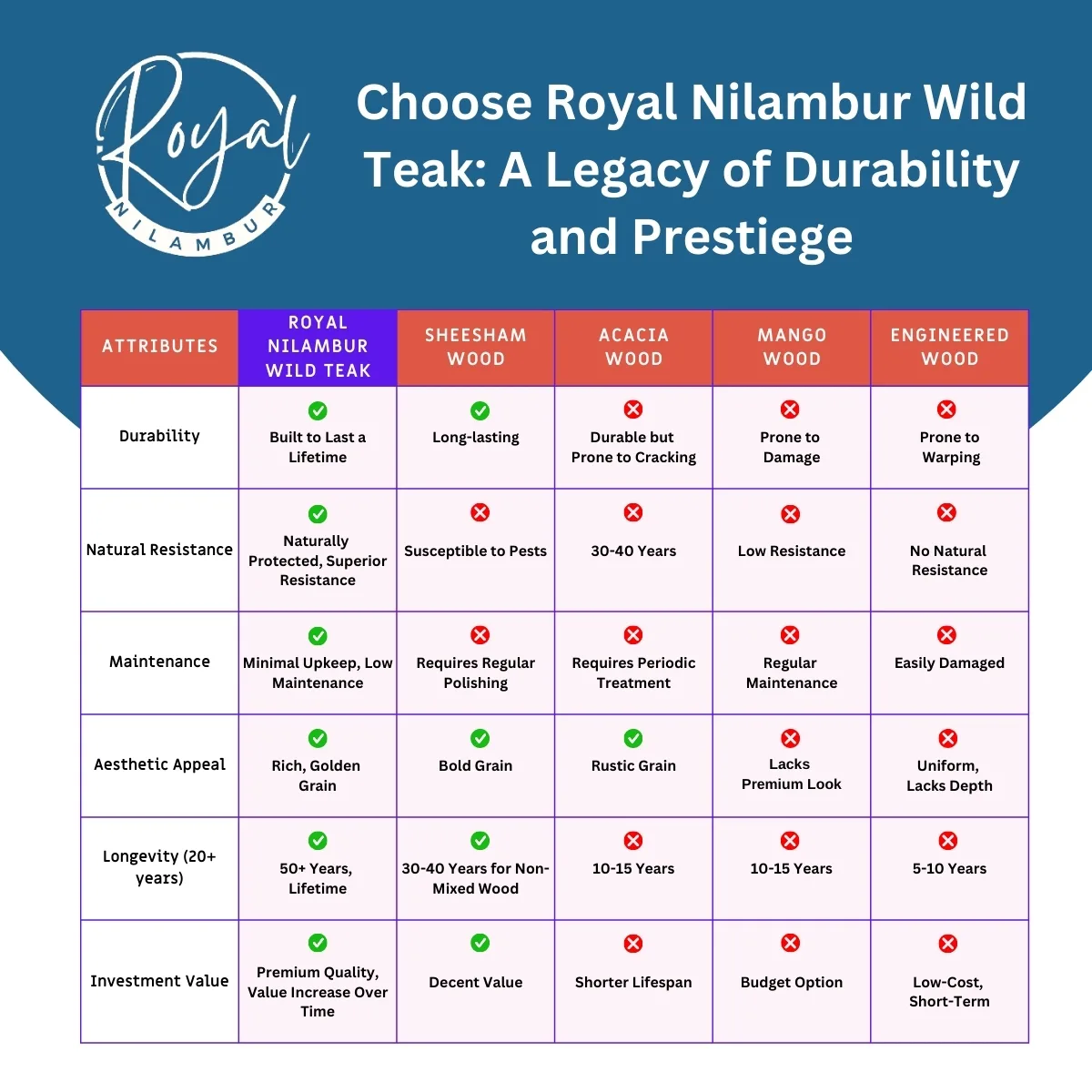
Why should I choose Royal Nilambur Wild Teak Furniture?
Royal Nilambur offers more than just furniture; we bring you timeless pieces crafted from the finest Nilambur wild teak, known for its exceptional strength and beauty. Each piece is handcrafted by skilled artisans who carry forward the rich tradition of Indian craftsmanship. When you choose us, you're investing in high-quality, durable furniture that reflects your refined taste and commitment to sustainability.
Is Nilambur teak really worth the investment?
Absolutely! Nilambur teak is one of the most prized woods in the world. It is known for its longevity, resistance to decay, and luxurious appearance. It's a premium material that only increases in value over time. With Royal Nilambur, you're not just buying furniture — you're investing in heirloom-quality pieces that will serve your family for generations.
Can I customize my furniture?
Of course! We understand that every home is unique, and we offer customization options to ensure that your furniture fits perfectly with your space and style. Whether you want to adjust the size, finish, or design, our team is here to bring your vision to life.
How do I know the quality of the furniture is authentic?
Royal Nilambur is dedicated to providing only the finest, ethically sourced Nilambur teak, which holds Geographical Indication (GI) certification. This certification ensures that our teak comes exclusively from the Nilambur region, which is recognized for producing the highest quality teak in the world. Our skilled artisans handcraft each piece using time-honored techniques that ensure strength, durability, and timeless aesthetic appeal. Additionally, we offer a warranty for every piece, giving you peace of mind that you've invested in a product that meets the highest standards of quality and authenticity.



Reviews
Clear filtersThere are no reviews yet.