






Royal Vythera Nilambur Teak Wood Cot
- Authentic, Premium-Quality Nilambur Wild Teak
- Handcrafted by Skilled Artisans
- Sustainably Sourced and Eco-Friendly
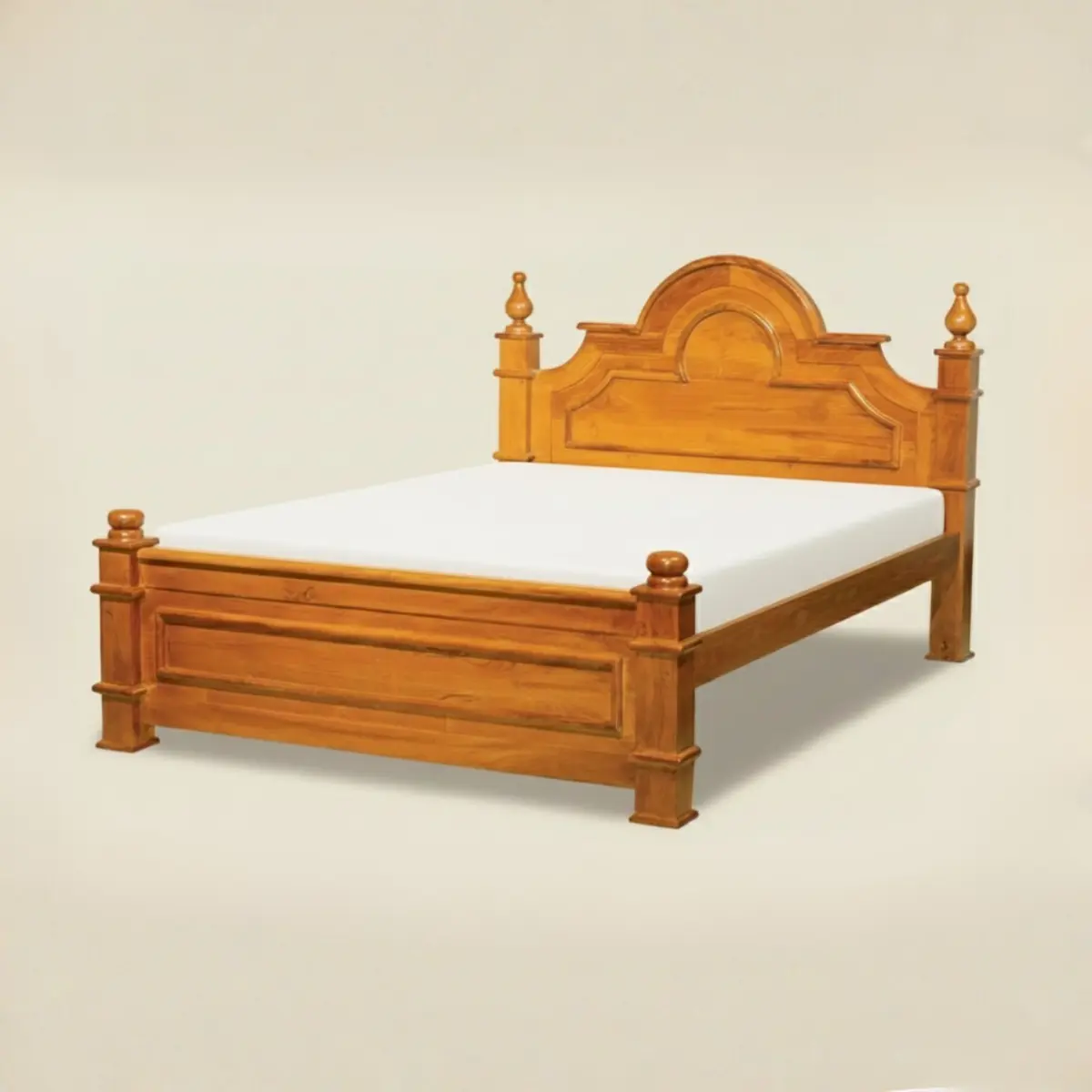
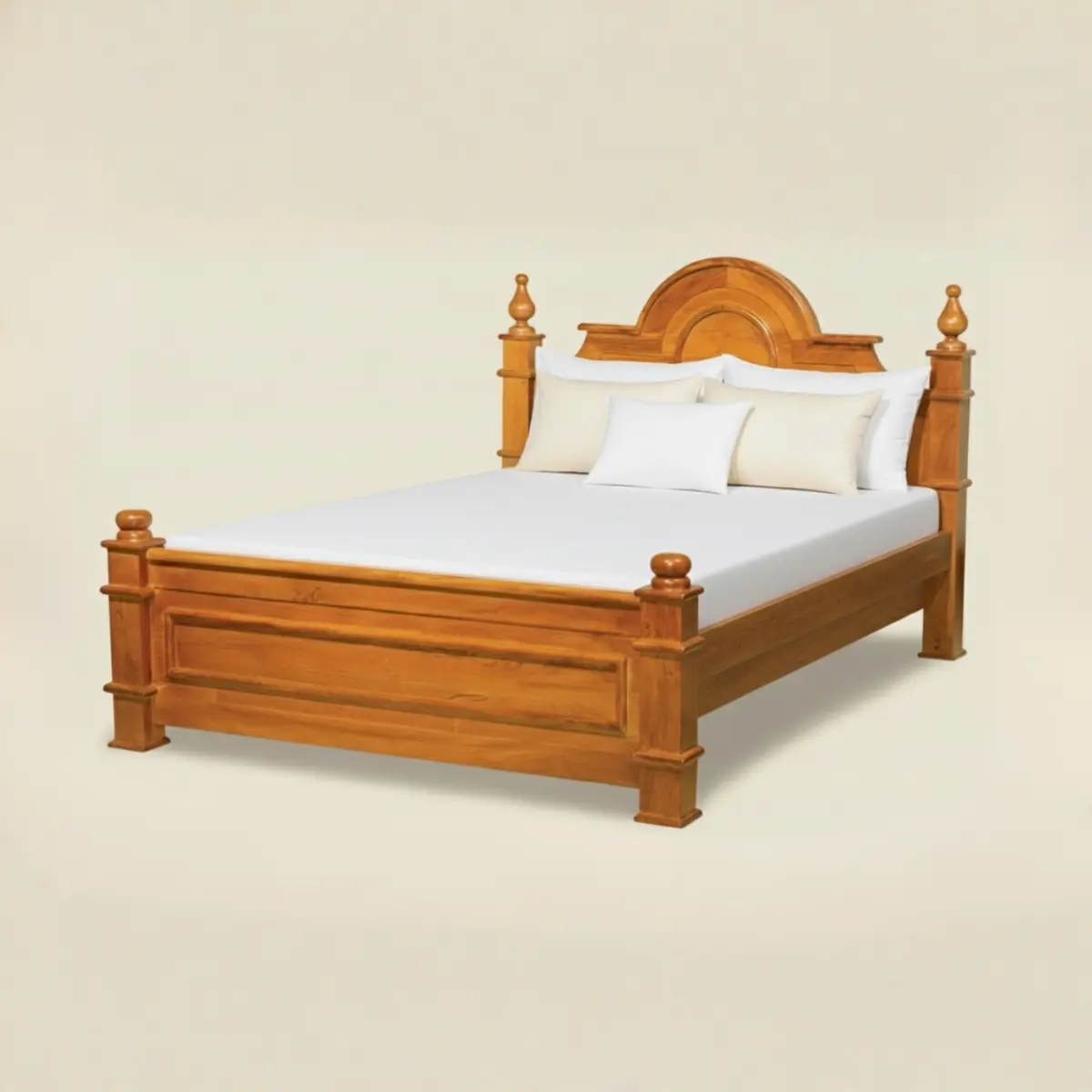
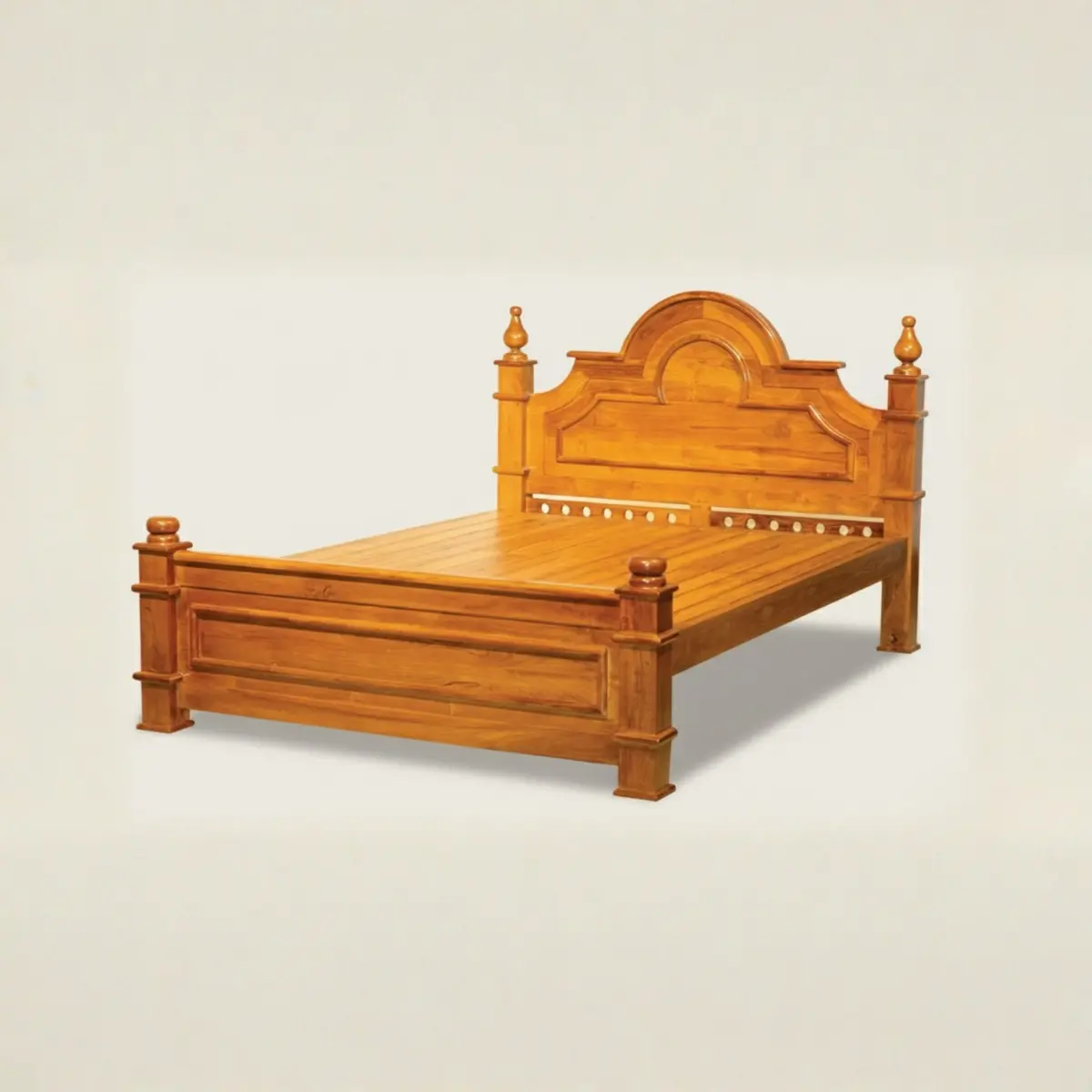
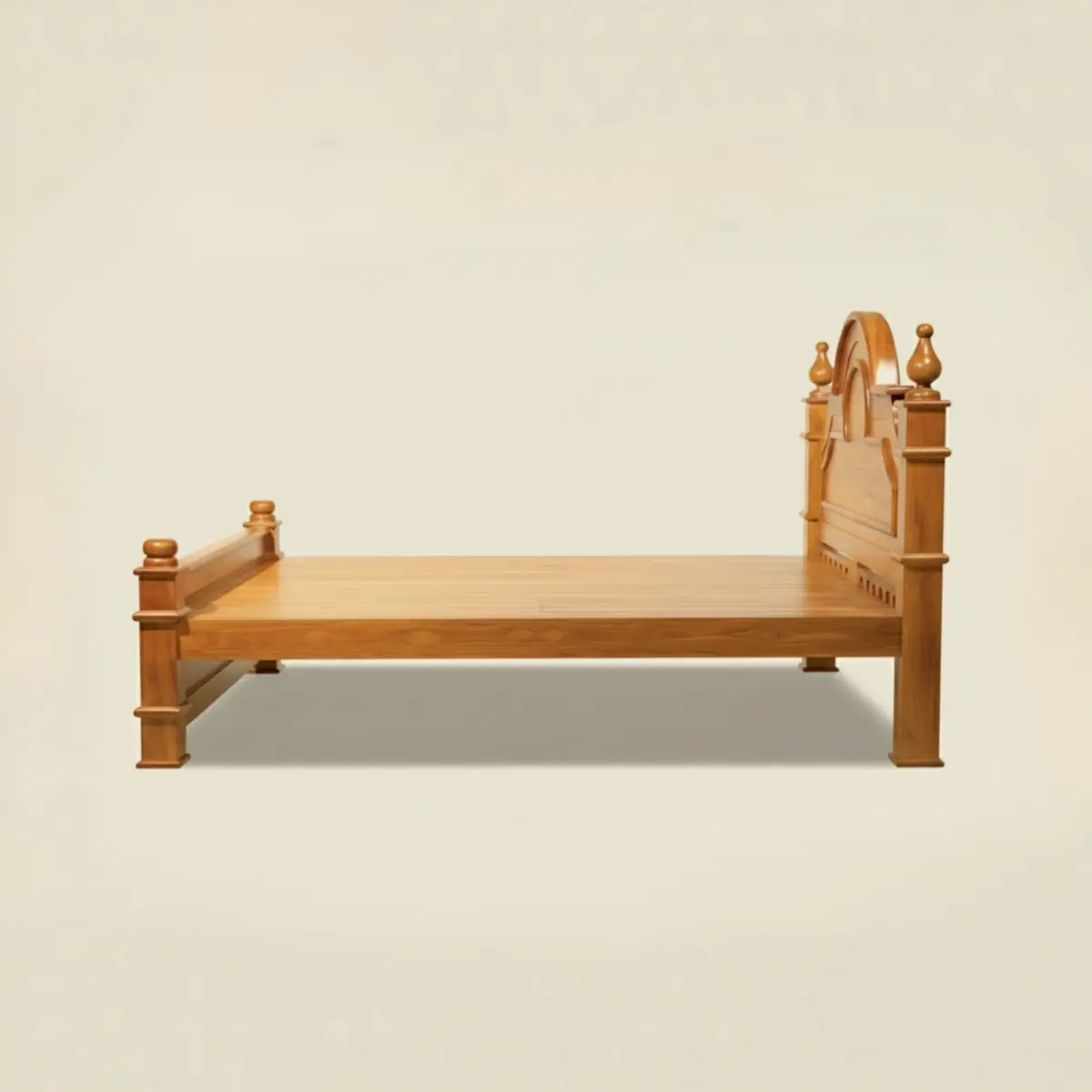
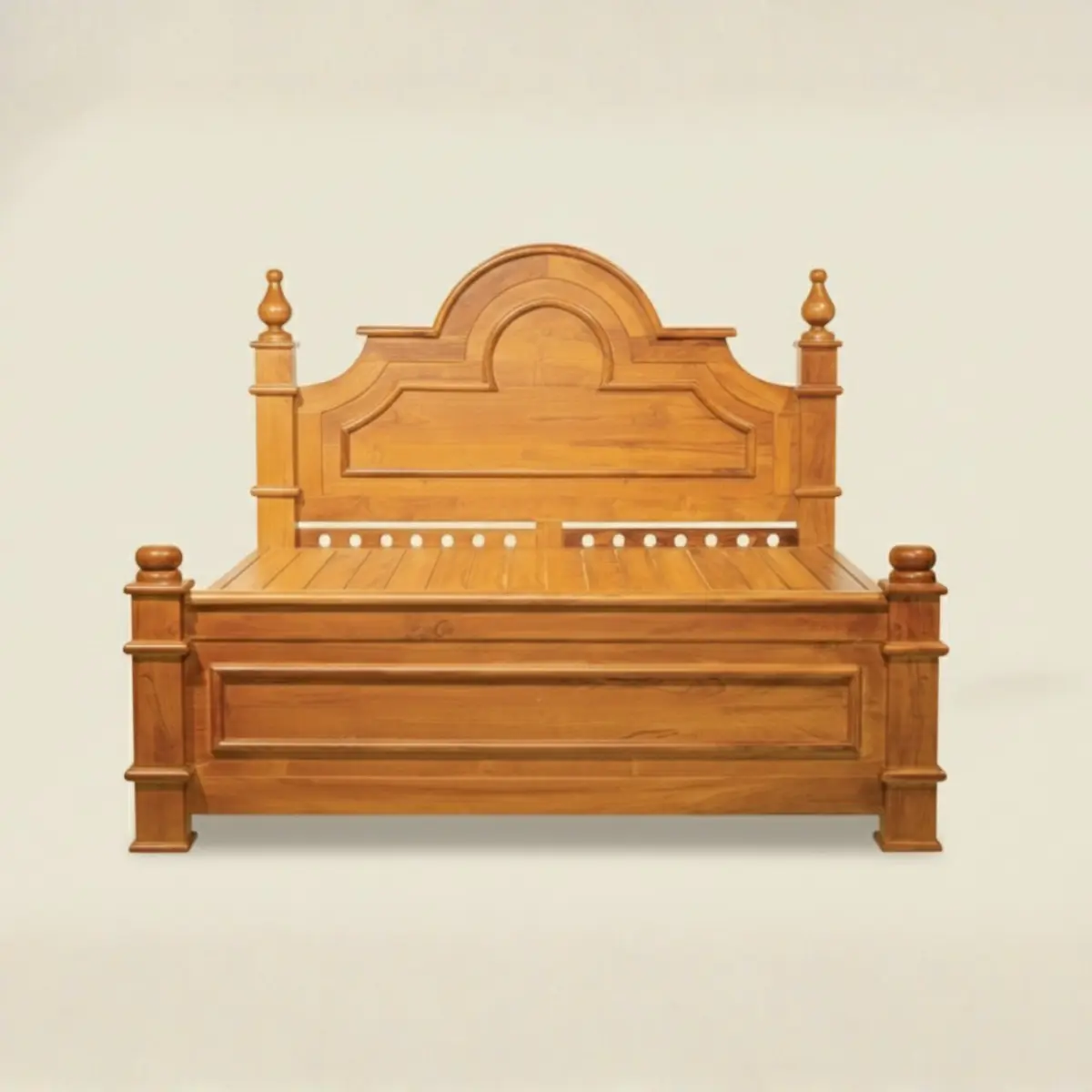
Wooden cot that embodies royal elegance—introducing the Royal Vythera. This traditional wooden cot features an ornate double-arch headboard with circular medallion centerpiece, decorative turned finials on all four corner posts, and raised panel construction throughout. Handcrafted from premium Nilambur teak with rich golden honey tones and natural grain beauty. Perfect for bedrooms seeking furniture that combines heritage design with lasting quality through masterful craftsmanship and authentic materials.
₹69,999.00 – ₹79,999.00Price range: ₹69,999.00 through ₹79,999.00
Enjoy the convenience of free delivery to Kerala, Karnataka, Tamil Nadu, Andhra Pradesh and Telangana! If you're located somewhere else, please don't hesitate to reach out to us; we're here to help you!
- Delivery Areas: We deliver to Kerala, Karnataka, and Tamil Nadu. If you live outside these states, feel free to contact us for special arrangements.
- Crafting & Delivery Time: As we handcraft every piece with care, shipping usually takes about 3 weeks. We’ll keep you updated every step of the way.
- Quality Assurance: Rest assured, our products undergo strict quality checks before leaving our workshop.
- Defect Handling: If your product has a manufacturing defect, we’re here to help! We’ll either repair it or offer an exchange, depending on the issue. Repairs will be arranged for minor defects to ensure your product is as good as new.
- Complaint Period: We encourage you to inspect your order upon delivery and report any issues within 12 hours for a quick resolution.
- Order Cancellations: Changed your mind? No problem! You can cancel your order within 12 hours by contacting our customer care team. We’ll process the cancellation immediately.
- Refund Process: Once your order is canceled, we’ll initiate the refund. Your refund will reflect in your account as per your bank’s standard processing time.
To maintain the beauty of your Nilambur teak wood furniture for generations, follow this simple and effective care guide.:
- Regular Cleaning: Wipe your teak furniture with a soft cloth and a mix of mild soap and water to remove dirt and grime. For deeper cleaning, you can use a teak-specific cleaner. Be gentle to avoid damaging the wood’s surface.
- Avoid Harsh Chemicals: Stick to mild cleaning solutions. Avoid abrasive cleaners or steel wool, which can damage the wood's surface.
- Protect from Sunlight: Keep your teak wood away from direct sunlight to prevent fading or drying out. Use curtains or shades to reduce exposure if the furniture is near windows.
- Oil and Seal: Although teak naturally produces oils, you can occasionally apply a teak protector or sealer to maintain its golden color and protect it from UV rays and moisture. Avoid over-oiling, as teak wood doesn’t need it frequently.
Product details
| Color |
Golden – Natural Nilambur Teak Color |
|---|---|
| Material |
Authentic Nilambur Wild Teak Wood |
| Warranty |
Royal Nilambur Lifetime Assurance Warranty |
| Brand |
Royal Nilambur |
| Size |
King Size(75 x 72 in) ,Queen Size(75 x 60 in) |
Description
The Royal Vythera wooden cot brings regal bedroom elegance to homes that appreciate traditional craftsmanship. This beautifully proportioned bed features a distinctive double-arched headboard with circular medallion centerpiece, decorative turned finials adorning all four corner posts, and raised panel construction—creating a sleeping space that feels both majestic and inviting. Crafted from premium Nilambur teak in rich golden tones, this heritage design serves as a bedroom centerpiece that honors India's furniture-making traditions.
What makes this wooden cot special is its authentic traditional design execution. The gracefully arched headboard creates visual grandeur—the flowing double curves with central medallion add ornamental beauty that distinguishes it from simple beds. The turned finials demonstrate skilled woodworking—elegant profiles that crown each substantial corner post adding vertical emphasis and decorative sophistication. The raised panel construction ensures durability while showcasing the teak's natural grain patterns in dimensional relief. Every element reflects time-honored furniture design principles refined across generations.
The proportions of this wooden cot create commanding presence. The substantial headboard with its architectural arches provides impressive visual height and comfortable back support without overwhelming bedroom spaces. The multi-tiered corner posts demonstrate quality construction while the decorative finials add finishing touches that complete the elegant aesthetic. The raised panel footboard maintains design continuity at appropriate height for easy bed access. The overall dimensions accommodate standard mattress sizes while the frame provides exceptionally stable, quiet support for restful sleep.
This wooden cot works beautifully in bedrooms embracing traditional, colonial, or heritage aesthetics. The classic design suits master bedrooms where furniture should feel substantial and enduring. The warm golden teak tones create inviting ambiance that makes bedrooms feel like personal sanctuaries. The quality construction ensures this isn't temporary furniture—it's designed to become family heirloom serving generations.
The natural teak finish on this wooden cot displays rich golden honey tones with distinctive grain patterns. The wood's inherent beauty needs no heavy staining—the protective finish simply enhances what nature created while ensuring durability. Over time, the teak develops deeper luster, ensuring your bed grows more beautiful with age and use.
Experience royal comfort with the Royal Vythera wooden cot—where heritage design meets lasting quality.
Discovering Heritage Bed Design Excellence
Finding a wooden cot that achieves genuine traditional elegance—not mass-produced imitation but authentic craftsmanship—requires exceptional artistry and deep understanding of heritage design principles. The Royal Vythera wooden cot embodies both beautifully. Handcrafted by Royal Nilambur with techniques passed down through generations, this bed delivers the classical beauty and lasting durability that heirloom bedroom furniture should provide.
This wooden cot succeeds through intentional adherence to traditional design vocabulary. The double-arched headboard isn't arbitrary decoration—it's classical architectural motif translated into furniture form. The curves create visual softness and organic beauty contrasting with the rectangular bed frame. The circular medallion centerpiece provides focal point drawing the eye upward, creating visual hierarchy that guides attention deliberately. This architectural approach to furniture design creates pieces that feel substantial and considered rather than merely functional.
The decorative finials adorning this wooden cot represent furniture design tradition where ornament served both aesthetic and symbolic purposes. Finials historically crowned important architectural elements signifying completion and achievement. On this wooden cot, the turned finials cap the four corner posts marking the bed's boundaries and adding vertical emphasis. Their elegant profiles demonstrate lathe-work mastery—the graceful curves and proportions require skilled hands and understanding of three-dimensional form. These aren't generic hardware store additions but carefully crafted elements integral to the design.
The Royal Vythera wooden cot represents bedroom furniture designed for generational service. This isn't disposable furniture discarded when trends change—it's investment piece that transcends fashion. The traditional design has endured for centuries because it captures timeless principles of proportion, ornament, and craftsmanship. The premium teak ensures physical durability matching the design's longevity. The expert construction means this bed will support your family's rest for generations, becoming more treasured as it accumulates family history and memories.
Traditional wooden cot design creates bedroom environments that feel grounded and reassuring. The substantial construction provides stable support communicating security and permanence. The beautiful wood grain adds natural warmth creating inviting atmosphere. The classical proportions create visual harmony that feels inherently right rather than jarring or experimental. This is furniture that makes bedrooms feel like true sanctuaries—spaces removed from modern world's chaos, places for rest, comfort, and rejuvenation.
The attention to detail throughout this wooden cot demonstrates craftsmanship philosophy where every element receives careful consideration. The arch curves flow smoothly without flat spots or irregularities. The raised panels fit within their frames with consistent reveals. The finials align vertically with posts. The finish coats build evenly without runs or thin spots. This consistency throughout reflects pride in workmanship—the craftsmen sign their work through quality rather than literal signatures. Your wooden cot represents their reputation and skill.
The scale of this wooden cot suits spacious traditional bedrooms where furniture should make statements. The height creates impressive presence without approaching ceiling heights that would feel oppressive. The depth accommodates standard mattresses while the substantial posts and rails communicate quality through their mass. This wooden cot occupies space confidently—it's furniture designed for rooms where it can be properly appreciated and where its grandeur enhances rather than overwhelms the environment.
The cultural significance of this wooden cot connects to India's rich furniture-making heritage. Traditional Indian beds often featured elaborate headboards demonstrating woodworking virtuosity. The arched forms referenced architectural elements from temples and palaces. The turned finials echoed decorative traditions seen in architectural details. This wooden cot continues those traditions, preserving craft knowledge while creating furniture serving contemporary needs. Owning this bed means participating in living cultural heritage.
Traditional Indian Craftsmanship Philosophy
The Royal Vythera wooden cot reflects traditional Indian furniture philosophy that values proportion, ornament, and material quality equally. This holistic approach produces furniture where every element contributes to unified whole rather than designs where decoration applies superficially to functional cores. The result is wooden cot that achieves genuine beauty through integration of form, function, and embellishment.
The proportional systems underlying this wooden cot reflect mathematical principles refined through centuries of practice. Traditional craftsmen understood that certain relationships between dimensions create inherently pleasing compositions. The headboard height relates to bed width mathematically. The post thickness corresponds to their height proportionally. The arch curves follow geometric principles creating graceful forms. These proportional relationships exist subtly—most viewers don't consciously analyze them but subconsciously register the harmony they create. The wooden cot feels right because its proportions follow proven principles. Learn about <a href="https://royalnilambur.com/bedroom-furniture/" target="_blank" rel="dofollow">traditional bedroom furniture craftsmanship and heritage design principles</a>.
The ornamental vocabulary used in this wooden cot draws from established design traditions. The arched forms reference Mughal architectural influences visible throughout Indian heritage. The turned finials echo decorative traditions seen in palace and temple woodwork. The raised panels demonstrate frame-and-panel construction techniques developed across centuries. This ornamental language isn't random decoration but intentional design choices referencing shared cultural heritage. The wooden cot speaks design language that feels familiar even to those who can't articulate why.
The joinery employed in this wooden cot represents traditional techniques where mechanical strength derives from wood shape rather than hardware. Mortise-and-tenon joints create phenomenal strength through interlocking wood pieces—glue supplements but doesn't replace the mechanical connection. Raised panels float within frames allowing wood movement without cracking. Through-tenons may extend completely through posts, wedged from the back for additional strength. These techniques proven over centuries create furniture that gains strength as it ages—wood settles into joints creating tighter fits. The wooden cot will serve your great-grandchildren.
The finishing philosophy for this wooden cot emphasizes enhancing rather than obscuring wood's natural beauty. Traditional finishes penetrate wood fibers protecting from within while maintaining natural appearance and feel. The golden honey color you see is primarily the teak itself—the finish simply enhances natural tones while building protective layers. This approach contrasts with modern finishing where thick coatings create plastic-like surfaces. The wooden cot's finish feels like wood because it is wood—protected but not entombed.
The tool marks and hand-work evidence throughout this wooden cot represent intentional quality markers rather than flaws. Traditional craftsmanship values the human presence in work. Slight variations in carved details, subtle tool marks in recesses, minor asymmetries in hand-turned elements—these characteristics prove human hands shaped the wood rather than machines stamping out identical copies. The wooden cot displays individuality that mass production cannot replicate. Your bed differs subtly from every other Royal Vythera ever made—it's unique.
The apprenticeship tradition underlying this wooden cot ensures craft knowledge transfers across generations. Master craftsmen teach apprentices through demonstration and supervised practice. Skills develop over years rather than weeks of training. This transmission preserves techniques and quality standards across generations. The craftsmen creating this wooden cot learned from masters who learned from their masters—chain of knowledge extending back decades or centuries. Your furniture connects to that lineage.
The quality inspection for this wooden cot follows traditional standards where craftsmen stake their reputations on every piece. Work isn't anonymous assembly-line production but individually accountable craftsmanship. Inspections happen throughout production—wood selection, joinery cutting, assembly, finishing—catching issues before they become built-in problems. Final inspection examines the complete wooden cot minutely. Only pieces meeting strict standards bear the Royal Nilambur name. This quality assurance creates consistently exceptional furniture.
Understanding Arched Headboard Architecture
The arched headboard of this wooden cot represents sophisticated woodworking requiring understanding of curves, structural considerations, and visual design principles. Creating graceful arches in solid wood proves far more challenging than building rectangular forms—it's why arched designs command premium prices reflecting the additional skill and labor required.
The double-arch design in this wooden cot creates visual rhythm through repetition and variation. The two arches relate to each other mathematically—their width, height, and curves follow proportional relationships creating harmony. The circular medallion centerpiece provides focal contrast—its perfect circle plays against the flowing curves creating visual interest through geometric variety. This composition demonstrates design sophistication beyond simple decoration. The wooden cot's headboard reads as unified composition where every element relates deliberately.
The structural considerations of arched forms challenged the craftsmen creating this wooden cot. Arches naturally distribute loads along their curves—this efficiency explains their prevalence in architecture. However, furniture arches differ from architectural ones. The headboard arches must resist racking forces from leaning against them. The wood grain must orient to provide strength along the curves while minimizing cross-grain weakness. The joints must be positioned to maintain integrity. The wooden cot's arches aren't merely decorative—they're engineered to endure decades of use.
The curve creation for this wooden cot requires either bending wood or cutting curves from wider stock. Bending requires steaming wood making it pliable, then forming it over molds—challenging with dense teak. More likely, the craftsmen cut these arches from wide teak planks. This approach wastes significant material—curved shapes cut from rectangular stock leave offcuts. This material waste contributes to cost but ensures the grain follows curves for maximum strength and beauty. The wooden cot's arches display continuous grain rather than pieced construction.
The finishing challenges for arched forms appear throughout this wooden cot. Sanding curves evenly requires skill—power sanders create flat spots on curves while hand sanding takes considerably longer. Finish application on curves risks runs and drips as gravity pulls liquid finishes downward. Multiple thin coats build proper protection while maintaining even appearance. Buffing curved surfaces demands patience and attention. The wooden cot's perfectly finished arches demonstrate master-level craftsmanship overcoming these technical challenges.
The visual lightness created by this wooden cot's arches contrasts with the solid panels they surmount. Arches suggest openness and movement—their curves lead eyes upward creating vertical emphasis. The heavy rectangular panels provide visual weight and solidity. This contrast creates dynamic tension—the headboard feels simultaneously substantial and graceful. This balance represents sophisticated design thinking where contrasting elements enhance rather than contradict each other.
The cultural resonance of arched forms in this wooden cot connects to architectural traditions throughout South Asia. Arches feature prominently in Mughal architecture—from the Taj Mahal to numerous palaces and mosques. Traditional Indian homes incorporated arched doorways and windows. Furniture designs referenced these architectural elements creating visual continuity between buildings and their furnishings. The wooden cot participates in this design tradition, bringing architectural grandeur into bedroom furniture.
The symbolic significance of arches throughout history adds layers of meaning to this wooden cot. Arches represent passageways and transitions—thresholds between spaces and states. A bed frames the transition between waking and sleeping, consciousness and dreams. The arched headboard subtly reinforces this liminal quality. While most buyers don't consciously consider such symbolism, these deeper resonances contribute to furniture feeling right in ways that simple rectangular beds cannot match.
The Art of Decorative Finials and Posts
The decorative finials and substantial posts of this wooden cot represent furniture traditions where structural elements received ornamental treatment transforming functional components into aesthetic features. Understanding the craftsmanship behind these elements reveals the exceptional skill required to create this level of quality.
The finial turning for this wooden cot requires lathe work mastery. The craftsman mounts square teak stock in the lathe, spinning it at high speed while shaping with cutting tools. Creating the elegant profiles demands understanding how tools interact with spinning wood, how different woods behave under cutting, and how to achieve smooth surfaces requiring minimal sanding. The craftsman works freehand following mental templates refined through years of practice—no jigs or templates guide the tools. Each finial reflects individual skill. The wooden cot's finials demonstrate master-level turning ability.
The finial proportions in this wooden cot follow principles creating visual elegance. The relationship between thick and thin sections creates visual rhythm. The heights relative to post tops feel right—too short appears incomplete while too tall becomes ungainly. The shapes reference traditional forms—urn shapes, ball sections, tapers—design vocabulary refined across generations. The craftsman internalized these principles through apprenticeship learning to see and create proper proportions intuitively. The wooden cot's finials succeed because proportions feel inherently correct.
The post construction for this wooden cot begins with substantial square-section teak timbers. The posts must be perfectly square and straight—any twist or irregularity would compromise the entire frame. The multi-tiered sections require precise shoulder cuts where dimensions change. These shoulders must be square and clean—sloppy work would show prominently. The posts receive mortises at precise locations for rail tenons. This precision work requires skill and patience—the wooden cot's posts demonstrate both qualities abundantly.
The architectural character of this wooden cot's posts references column traditions from classical architecture. The multi-tiered design suggests capitals and bases—architectural elements where columns meet horizontal structures. This architectural vocabulary elevates furniture design from mere functional construction to considered composition. The posts aren't simply structural necessity but design elements contributing to overall aesthetic impact. The wooden cot achieves furniture architecture where form and structure integrate completely.
The surface finishing on turned elements throughout this wooden cot requires specialized technique. Turned surfaces must be sanded while spinning to achieve smoothness—hand sanding after removing from the lathe risks creating flat spots. The craftsman applies sandpaper to spinning work progressing through finer grits until surfaces feel glass-smooth. Finish application on turned elements similarly happens on the lathe ensuring even coating. The wooden cot's finials and turned details feel perfectly smooth because they received proper lathe finishing.
The finial attachment to this wooden cot requires secure joinery preventing wobbling or loosening over time. Typically, turned finials feature integral tenons—extension of the turning that inserts into holes drilled in post tops. The craftsman carefully sizes these tenons for tight fits. Glue bonds the joint permanently. Some designs might include hidden hardware for additional security. The finials on this wooden cot will remain firmly attached for the bed's entire service life—no retightening required.
The consistency among this wooden cot's four finials demonstrates exceptional craftsmanship. Creating four finials that match requires either working from precise measurements or developing sufficient skill that the craftsman can reproduce forms from muscle memory. While slight variations might exist upon close examination—these are hand-turned pieces after all—the finials read as matching set from normal viewing distances. This consistency reflects master craftsman's control over their tools and materials.
The visual completion provided by this wooden cot's finials transforms good furniture into exceptional furniture. Imagine the bed without finials—the posts would end abruptly feeling incomplete. The finials provide visual punctuation—they announce "this post is finished." This completion detail elevates perceived quality substantially. The wooden cot demonstrates understanding that truly fine furniture requires finishing details that lesser furniture omits due to cost or skill limitations.
Raised Panel Construction Mastery
The raised panel construction throughout this wooden cot represents traditional woodworking technique combining structural efficiency with visual beauty. Understanding panel construction reveals sophisticated joinery knowledge underlying seemingly simple furniture elements.
The frame-and-panel construction principle in this wooden cot solves fundamental problem: solid wood expands and contracts with humidity changes. A solid headboard would crack as it expanded against restraining rails. Panel construction solves this through floating panels—solid wood panels thinner at edges that fit into grooves in surrounding frames. The panels can expand and contract within the grooves without cracking or creating gaps. This centuries-old technique allows this wooden cot to use solid wood throughout while accommodating natural wood movement.
The raised panel design in this wooden cot adds dimensional interest beyond flat panels. The panel centers rise proud of their edges creating sculptural relief. Creating raised panels requires removing material from panel edges on all four sides—traditionally with hand planes but modern craftsmen may use shapers or routers. The transitions from raised center to thin edge must be smooth and consistent. Poorly executed raised panels show tool marks or irregular bevels. The wooden cot's panels display perfectly smooth transitions demonstrating skilled execution.
The panel proportions throughout this wooden cot follow aesthetic principles creating pleasing compositions. Panels too large for their frames appear squeezed while panels too small seem lost in surrounding frames. The relationship between frame width and panel size follows mathematical principles creating visual harmony. The raised sections' heights relate proportionally to panel sizes. These relationships exist subtly but contribute substantially to the wooden cot's refined appearance. Inexperienced craftsmen might achieve structurally sound panel construction while missing these aesthetic refinements.
The grain selection for this wooden cot's panels reveals quality-conscious craftsmanship. Beautiful figure—cathedral grain, ray fleck, color variation—occupies panel centers where it displays prominently. Plainer grain appears in frames where it remains less visible. This selective use maximizes visual impact from premium wood. The craftsmen evaluated each board determining how to cut it for best effect. The wooden cot's panels showcase teak's natural beauty through thoughtful material usage.
The finish appearance on raised panels throughout this wooden cot demonstrates skilled application. Raised panels create challenges—finish pools in corners between raised centers and beveled edges. Too much finish in corners shows as darker areas while too little finish leaves corners unprotected. Proper technique requires wiping excess from corners while maintaining adequate coverage. The wooden cot's panels display even color and sheen throughout demonstrating finishing expertise overcoming these challenges.
The joinery securing this wooden cot's panels follows traditional methods creating lasting durability. The frame members—rails and stiles—join at corners through mortise-and-tenon joints. These joints must be cut precisely for tight fits. The grooves receiving panel edges must align perfectly—misalignment would show as gaps or prevent assembly. The panels themselves require precise thickness for proper fit in grooves. This dimensional control throughout demands precision equipment and careful work. The wooden cot's flawless panel assembly reflects both qualities.
The historical significance of raised panel construction connects this wooden cot to furniture-making heritage extending back centuries. Before modern glues and hardware, craftsmen relied on joinery techniques like frame-and-panel to create durable furniture from solid wood. These techniques survived not because of nostalgia but because they work—solving wood movement problems elegantly while creating beautiful furniture. The wooden cot continues living tradition rather than imitating historical styles superficially.
The maintenance simplicity of this wooden cot's raised panel construction provides long-term benefits. The floating panels accommodate wood movement preventing cracks that would require repair in solid construction. The frame joints, properly made with quality glue, remain tight for decades. Should individual panels somehow become damaged, they can be replaced without rebuilding the entire headboard. This repairability extends service life dramatically. The wooden cot's construction ensures lasting durability with minimal maintenance requirements.
Nilambur Teak Heritage and Quality
The foundation of this wooden cot's excellence lies in Nilambur teak—wood representing India's forestry heritage and offering natural superiority unmatched by alternatives. Understanding this material's characteristics reveals why this wooden cot will serve multiple generations while maintaining structural integrity and visual beauty.
The Nilambur teak heritage begins with plantations established in 1842, making them among the world's oldest managed teak forests. Located in Kerala's Malappuram district, these forests have been producing premium timber for over 180 years. The Royal Vythera wooden cot benefits from this prestigious heritage—wood shaped by optimal growing conditions and sustainable management practices refined across generations. This isn't ordinary teak but premium timber from legendary forests known globally among woodworkers and furniture makers.
The growth conditions in Nilambur create teak with superior characteristics visible throughout this wooden cot. The tropical climate with balanced rainfall produces straight-grained timber without irregularities plaguing teak grown in less optimal conditions. The soil composition contributes to density and natural oil content that protect wood inherently. Trees grow relatively slowly, creating tight growth rings translating to exceptional density and strength. The wooden cot benefits from these natural advantages—it's literally made from better wood than furniture using generic teak from unknown sources.
The color characteristics of Nilambur teak showcase throughout this wooden cot in rich golden honey tones. Fresh-sawn teak appears lighter—golden yellow with slight greenish cast. Exposure to air and light develops the rich golden-brown color furniture-grade teak displays. The wood naturally shows color variation—darker heartwood from tree centers and lighter sapwood from outer growth. Rather than trying to eliminate these variations, quality furniture embraces them. The wooden cot displays authentic teak character through its natural color range rather than artificial uniformity achieved through heavy staining.
The natural oils in Nilambur teak protect this wooden cot inherently from environmental challenges. Teak contains extractives that repel water preventing moisture damage—this natural water resistance explains teak's historical use in shipbuilding. These same compounds resist termite and other insect attacks naturally. Fungal growth struggles to establish on teak surfaces. This biological resistance means the wooden cot doesn't require chemical treatments for protection. The wood defends itself naturally while creating healthier indoor environments free from treatment chemicals.
The dimensional stability of this wooden cot owes everything to teak's unique properties. All wood expands and contracts with humidity changes—this movement causes problems in furniture as joints loosen and panels crack. Teak's movement coefficient ranks among the absolute lowest of all hardwoods. The joints in this wooden cot remain tight through seasonal changes. The panels don't crack. The frame maintains alignment year after year. The bed doesn't develop squeaks or looseness. This stability is why shipbuilders historically prized teak—it performs reliably in challenging conditions that would destroy lesser woods.
The density of Nilambur teak provides this wooden cot exceptional durability. The wood resists denting, scratching, and wear that mars softer species within years. The substantial weight you feel when moving components reflects genuine solidity—this is real wood density, not cheap composite materials. This density translates to longevity. The wooden cot will serve generations without showing significant wear while pine or poplar furniture would deteriorate noticeably within years. This durability justifies the initial investment through decades of service.
The workability characteristics of teak challenged the craftsmen creating this wooden cot while ensuring exceptional results. Teak's density dulls cutting tools requiring frequent sharpening—production costs include significant tool maintenance. The natural oils can gum up sanders necessitating special techniques. However, these challenges reward skilled craftsmen with superior outcomes. The wood holds crisp details without tearout. Joints fit precisely. Surfaces polish beautifully. The difficulties working teak ensure only skilled craftsmen attempt it—the wooden cot reflects genuine expertise rather than entry-level woodworking.
The sustainability story behind this wooden cot's teak provides confidence in responsible sourcing. Nilambur's plantations follow scientific forestry management balancing timber harvest with forest ecosystem health. Selective harvesting removes mature trees while preserving forest structure. Replanting programs ensure perpetual supply for future generations. Forest certification verifies responsible practices meeting international standards. Purchasing this wooden cot supports sustainable forestry rather than destructive logging practices. Your furniture choice promotes environmental stewardship alongside enjoying natural beauty and exceptional quality.
Creating Traditional Bedroom Sanctuaries
The Royal Vythera wooden cot functions as anchor piece for creating traditional bedroom environments that feel removed from modern world's chaos—sanctuaries for rest, reflection, and rejuvenation. Understanding how this bed influences bedroom design helps create cohesive spaces honoring heritage aesthetics while serving contemporary needs.
The visual impact of this wooden cot establishes it as natural focal point in traditional bedrooms. The ornate arched headboard, decorative finials, and substantial construction create immediate presence commanding attention. This focal dominance provides foundation for design decisions—other furniture, color selections, and decorative elements should harmonize with the wooden cot's traditional character rather than competing or creating stylistic confusion. The bed sets the aesthetic direction that other elements follow for cohesive results.
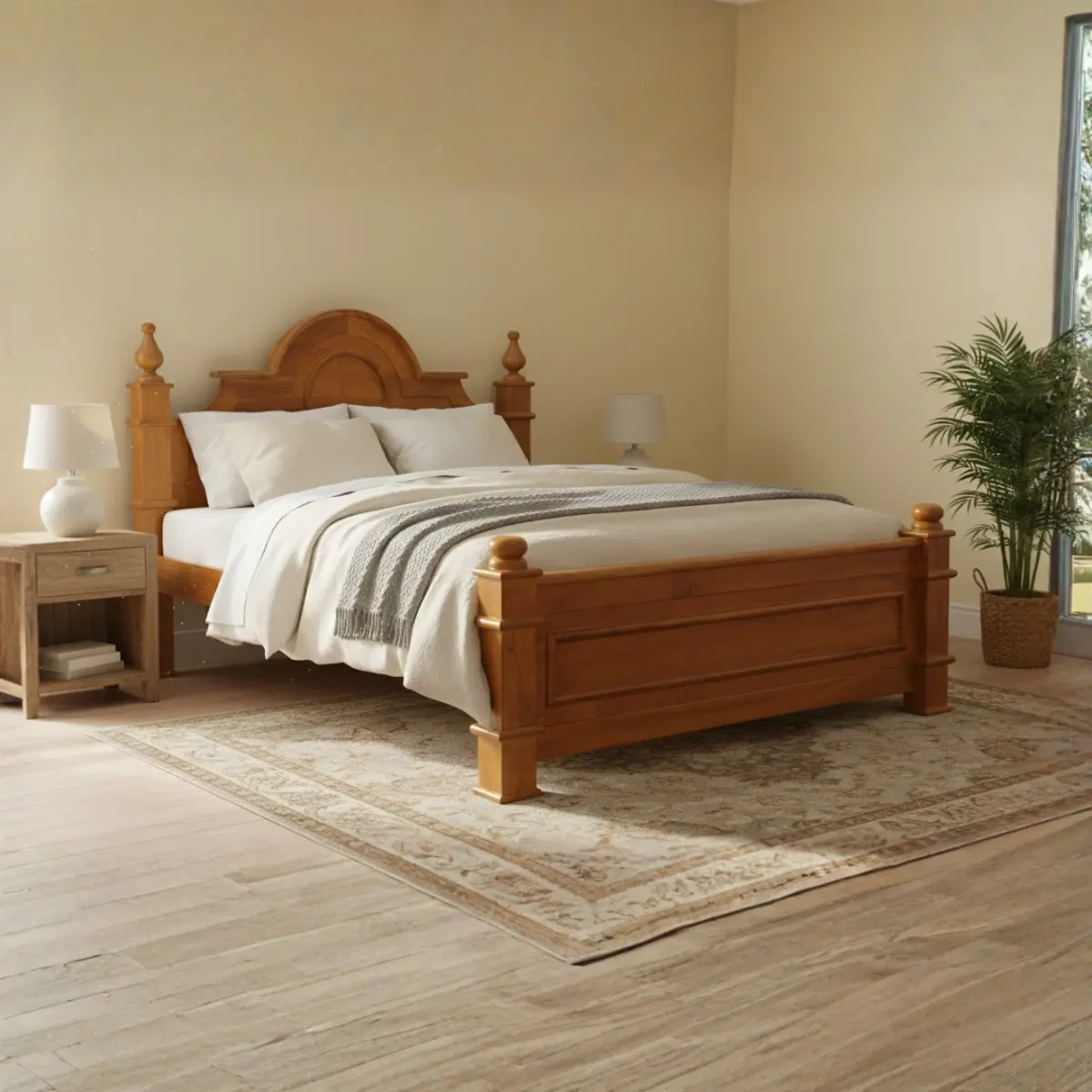
The color palette influenced by this wooden cot's golden teak tones suggests warm, inviting bedroom schemes. Wall colors might echo the wood—cream, warm beige, or soft gold creating harmonious backdrop. Alternatively, deeper colors—rich brown, warm terracotta, or deep red—create dramatic contrast honoring traditional color sensibilities. Cool colors—blues, grays, greens—generally work less successfully with warm wood tones. The wooden cot essentially establishes color temperature—warm—that bedroom palette should acknowledge for cohesive environments.
The furniture style coordination with this wooden cot requires consistency in aesthetic vocabulary. Additional pieces—nightstands, dressers, wardrobes—should reflect traditional design principles complementing the bed's heritage character. While exact matching proves unnecessary and sometimes undesirable, the pieces should share design language. Traditional forms, ornamental details, quality wood construction—these characteristics ensure furniture pieces work together harmoniously. Modern minimalist furniture would clash with the wooden cot's traditional character creating visual confusion.
The textile selections for this wooden cot support traditional aesthetics through pattern and texture choices. Consider bedding with traditional motifs—paisleys, florals, geometric patterns referencing historical designs. Rich fabrics—silk, brocade, embroidered cottons—enhance luxury character. Layering creates visual richness—coverlets over sheets, decorative pillows, throws at bed foot. The substantial headboard provides elegant backdrop that textile layers enhance without obscuring. The wooden cot's traditional character supports opulent textile treatments that might overwhelm simpler furniture.
The lighting approach in bedrooms featuring this wooden cot should honor traditional aesthetics while providing necessary illumination. Chandeliers or substantial pendant fixtures provide ambient lighting while establishing traditional character overhead. Table lamps on nightstands should feature traditional designs—turned wood bases, ceramic bodies, proper shades rather than modern alternatives. Wall sconces flanking the headboard add layered lighting while highlighting the arched curves beautifully. Lighting fixture finishes—brass, bronze, aged metals—complement the wood tones better than chrome or brushed nickel.
The window treatments in traditional bedrooms with this wooden cot contribute significantly to overall atmosphere. Heavy drapes in rich fabrics create traditional luxury—velvet, silk, brocade, or quality lined cotton. Layering sheers underneath provides privacy and light control. Valances or cornices conceal curtain hardware while adding ornamental detail. The substantial window treatments balance the wooden cot's visual weight preventing the bed from overwhelming lighter treatments. Traditional bedrooms embrace textile richness that modern aesthetics often minimize.
The flooring considerations for bedrooms featuring this wooden cot influence perceived warmth and comfort. Hardwood floors in warm tones complement the teak beautifully—traditional wide-plank construction feels particularly appropriate. Area rugs define sleeping zones while adding color, pattern, and comfort—traditional oriental or Indian rugs honor the bed's heritage character. Carpet throughout provides warmth and quiet—choose neutral tones or traditional patterns rather than contemporary designs. The flooring should feel substantial and quality matching the wooden cot's solid character.
Check our traditional furniture care guide for specific tips. Explore our Nilambur teak traditional collection for coordinating pieces.
The artwork and accessories in traditional bedrooms with this wooden cot complete the environment. Traditional paintings or prints—landscapes, portraits, botanical studies—suit the aesthetic. Ornate frames honor the period character. Mirrors in substantial frames enhance light while adding traditional elements. Accessories might include traditional brass or bronze pieces, ceramic vessels, antique clocks, or heritage textiles displayed as art. The goal is creating environments that feel collected over time rather than purchased in single shopping trips. The wooden cot deserves surroundings that honor its traditional character and quality.
About Us

Royal Nilambur
Handcrafted premium Nilambur teak wood furniture.

Have questions?
We're here to help! Please feel free to contact us.
Error: Contact form not found.
At Royal Nilambur, we are driven by a deep respect for nature and tradition. We believe that furniture should be more than just functional—it should be a lasting legacy that tells a story, honors craftsmanship, and reflects values of sustainability and heritage. Through our creations, we inspire people to cherish the beauty of nature in their homes and to invest in pieces that hold meaning beyond their material value.

Handcrafted Excellence

Premium Nilambur Teak Wood

Customizable Designs

Life Time Warranty
Customer Reviews
Only logged in customers who have purchased this product may leave a review.
Related Products




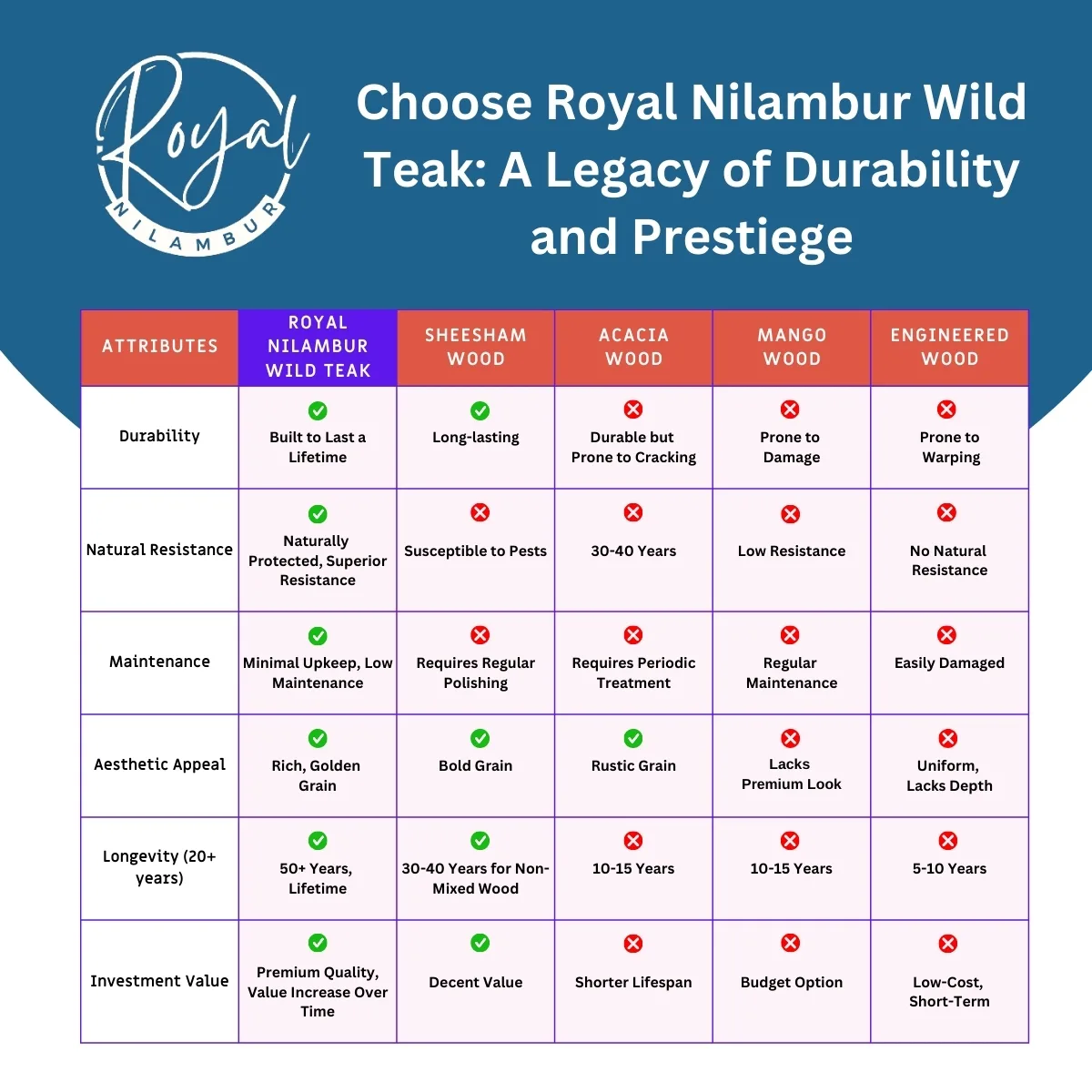
Why should I choose Royal Nilambur Wild Teak Furniture?
Royal Nilambur offers more than just furniture; we bring you timeless pieces crafted from the finest Nilambur wild teak, known for its exceptional strength and beauty. Each piece is handcrafted by skilled artisans who carry forward the rich tradition of Indian craftsmanship. When you choose us, you're investing in high-quality, durable furniture that reflects your refined taste and commitment to sustainability.
Is Nilambur teak really worth the investment?
Absolutely! Nilambur teak is one of the most prized woods in the world. It is known for its longevity, resistance to decay, and luxurious appearance. It's a premium material that only increases in value over time. With Royal Nilambur, you're not just buying furniture — you're investing in heirloom-quality pieces that will serve your family for generations.
Can I customize my furniture?
Of course! We understand that every home is unique, and we offer customization options to ensure that your furniture fits perfectly with your space and style. Whether you want to adjust the size, finish, or design, our team is here to bring your vision to life.
How do I know the quality of the furniture is authentic?
Royal Nilambur is dedicated to providing only the finest, ethically sourced Nilambur teak, which holds Geographical Indication (GI) certification. This certification ensures that our teak comes exclusively from the Nilambur region, which is recognized for producing the highest quality teak in the world. Our skilled artisans handcraft each piece using time-honored techniques that ensure strength, durability, and timeless aesthetic appeal. Additionally, we offer a warranty for every piece, giving you peace of mind that you've invested in a product that meets the highest standards of quality and authenticity.



Reviews
Clear filtersThere are no reviews yet.