
Trending Now
The craft
“Hand-planing teak leaves a surface smoother than any machine sander can achieve — the blade follows the grain rather than cutting across it.”
Royal Nilambur
Collection
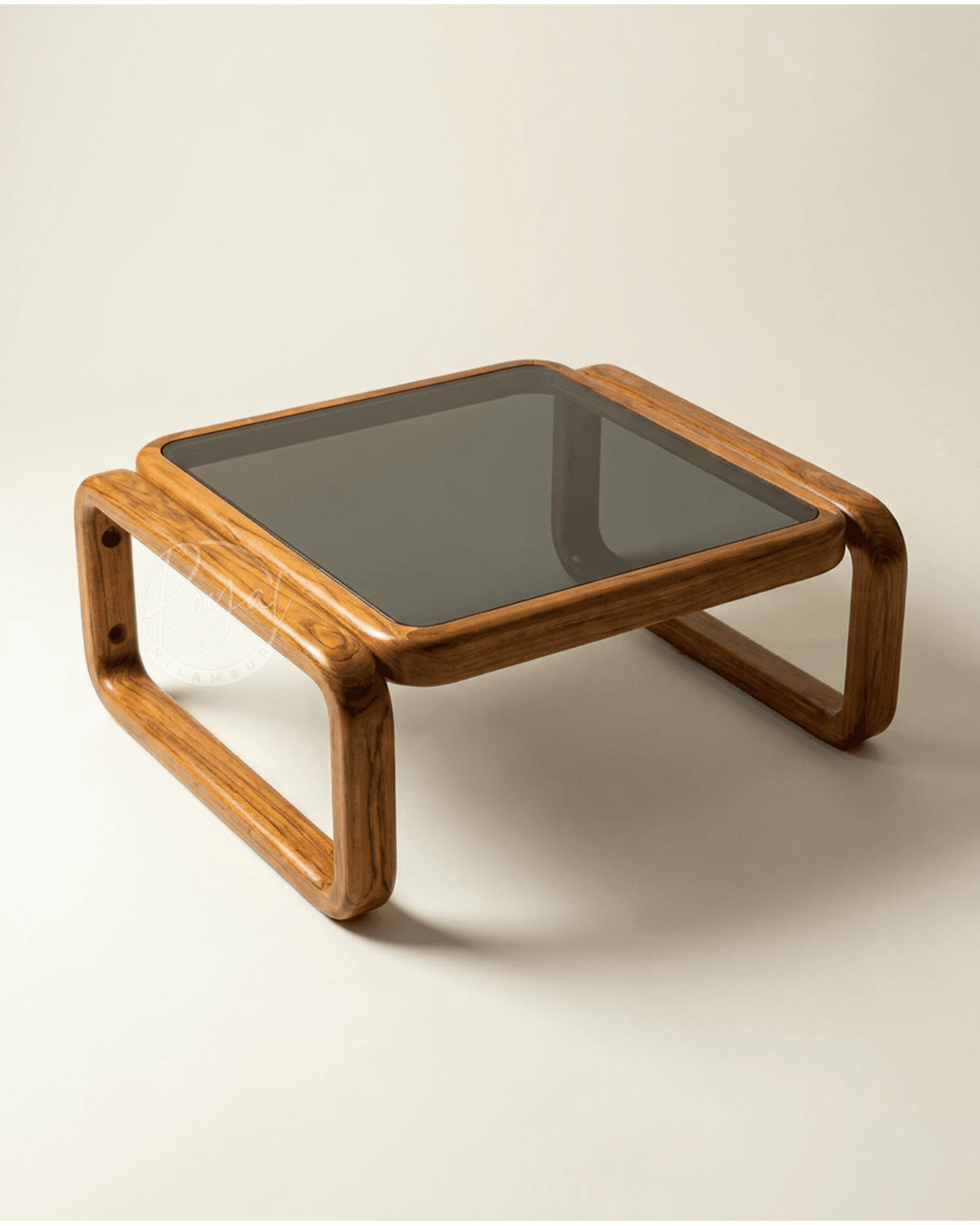
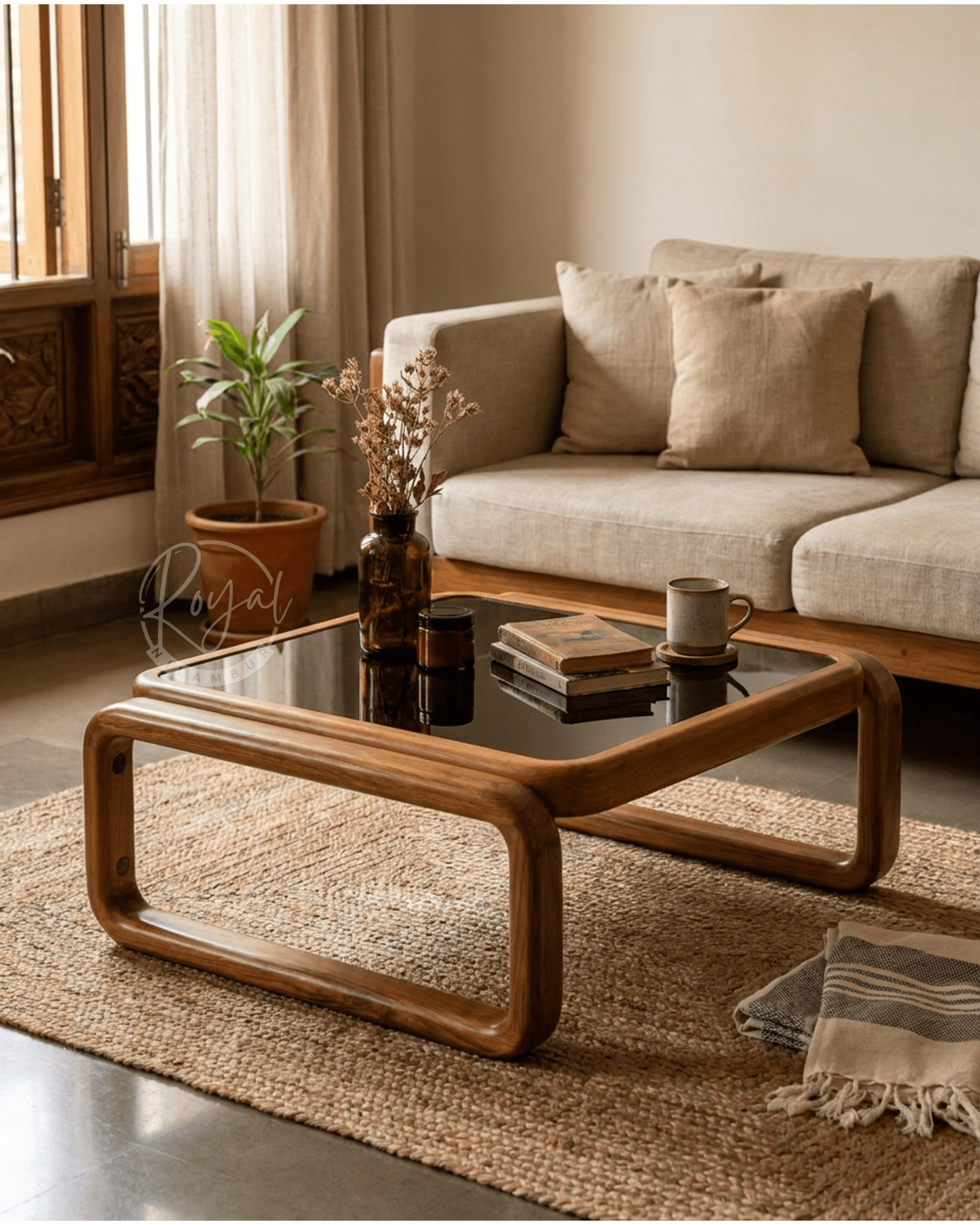
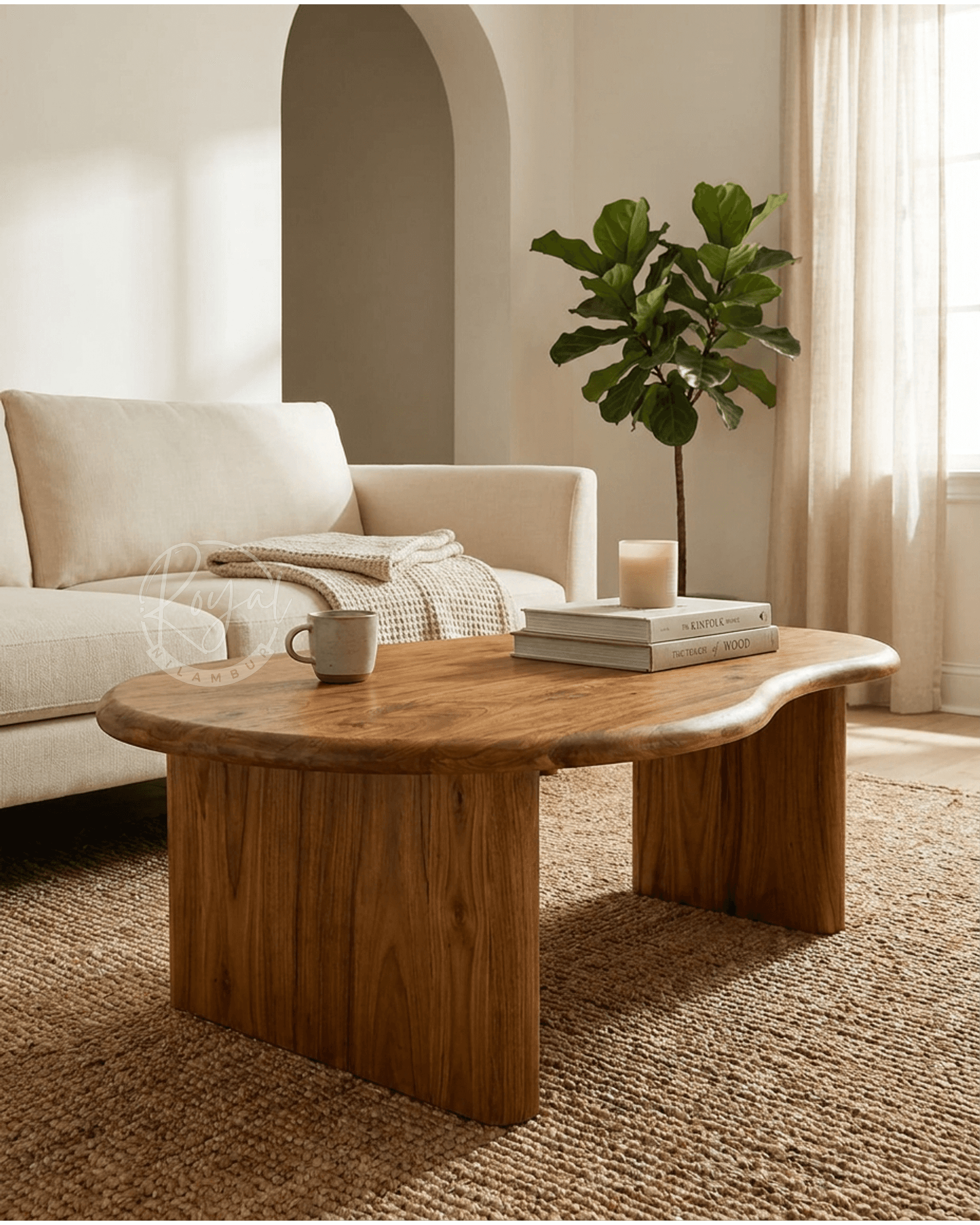
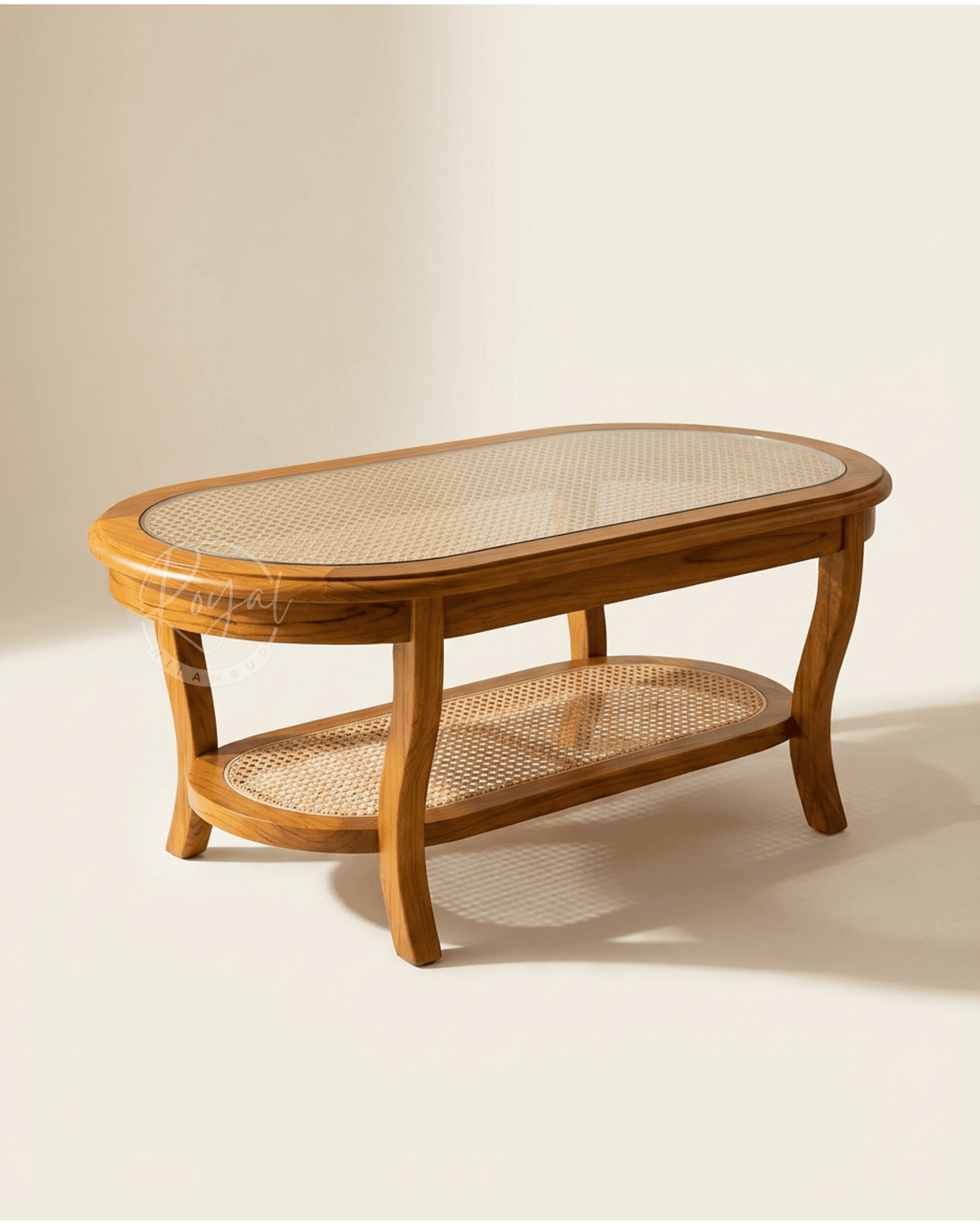
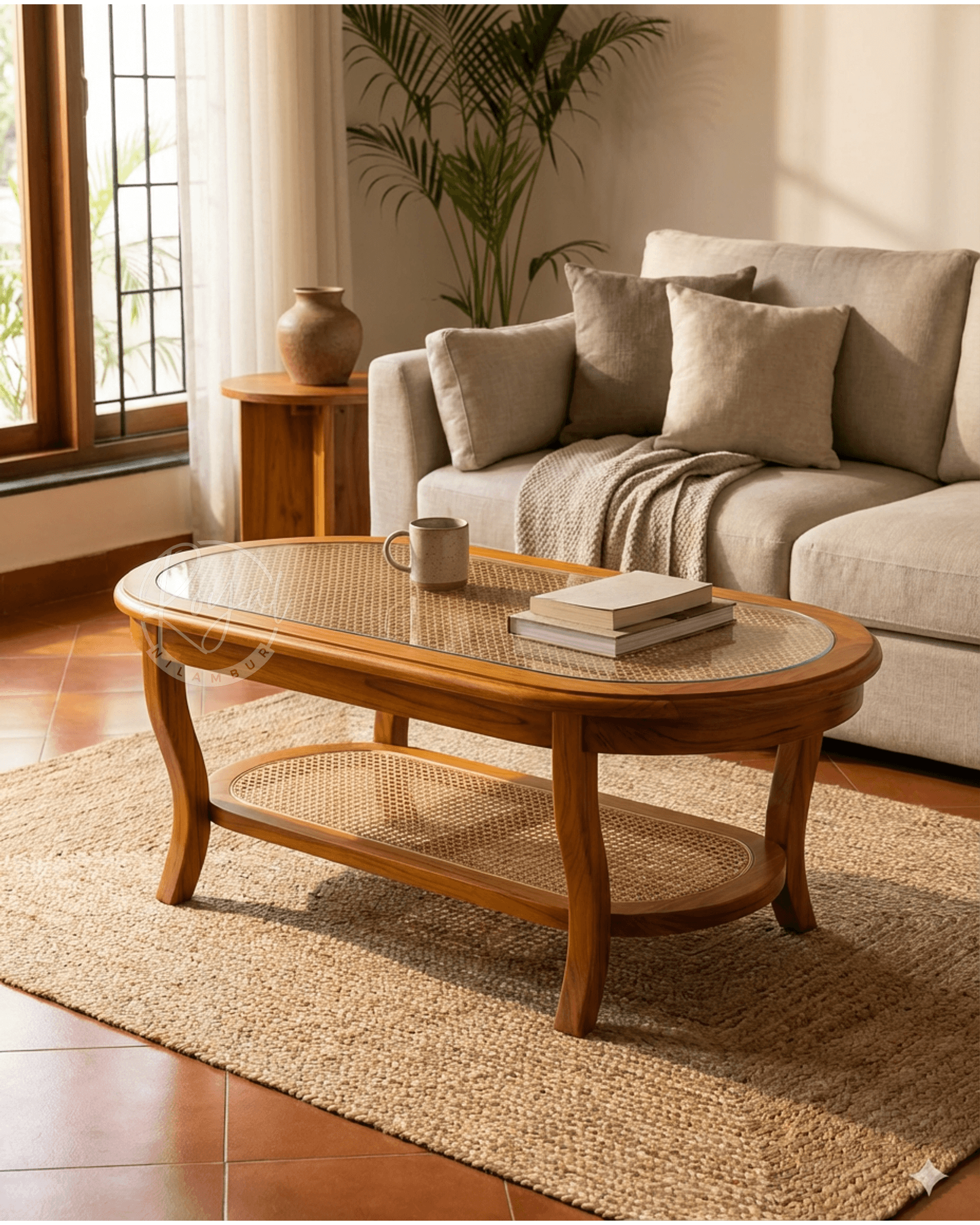
A center table is often the most-used surface in a living room — and in wild Nilambur teak, it becomes one of the most enduring pieces you will own. Royal Nilambur's tables are made to order in our Nilambur workshop from slow-grown forest teak sourced legally from Kerala Forest Department depots. Every piece is kiln-seasoned and mortise-and-tenon jointed, so the surface stays flat and the frame stays tight through decades of daily use.
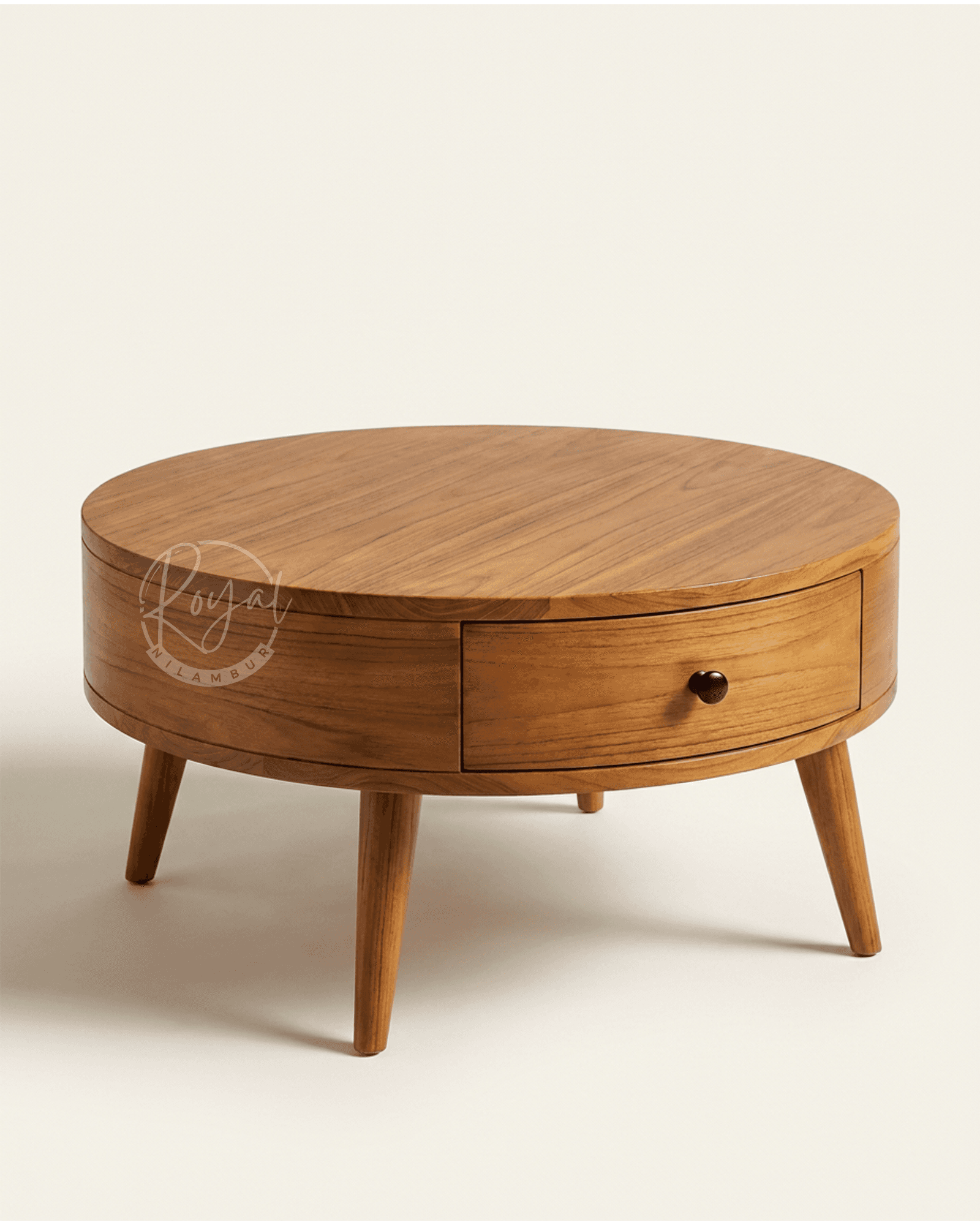
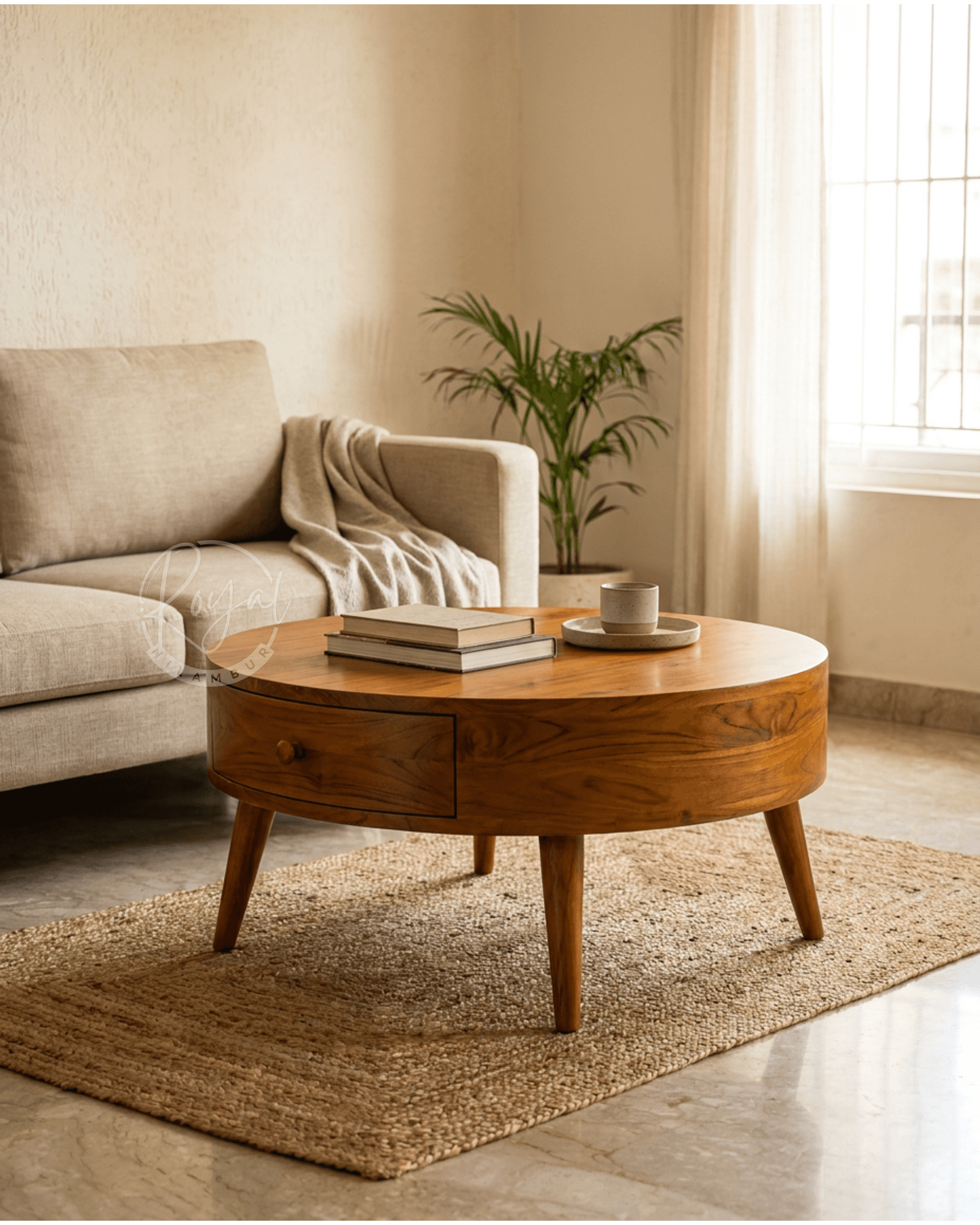

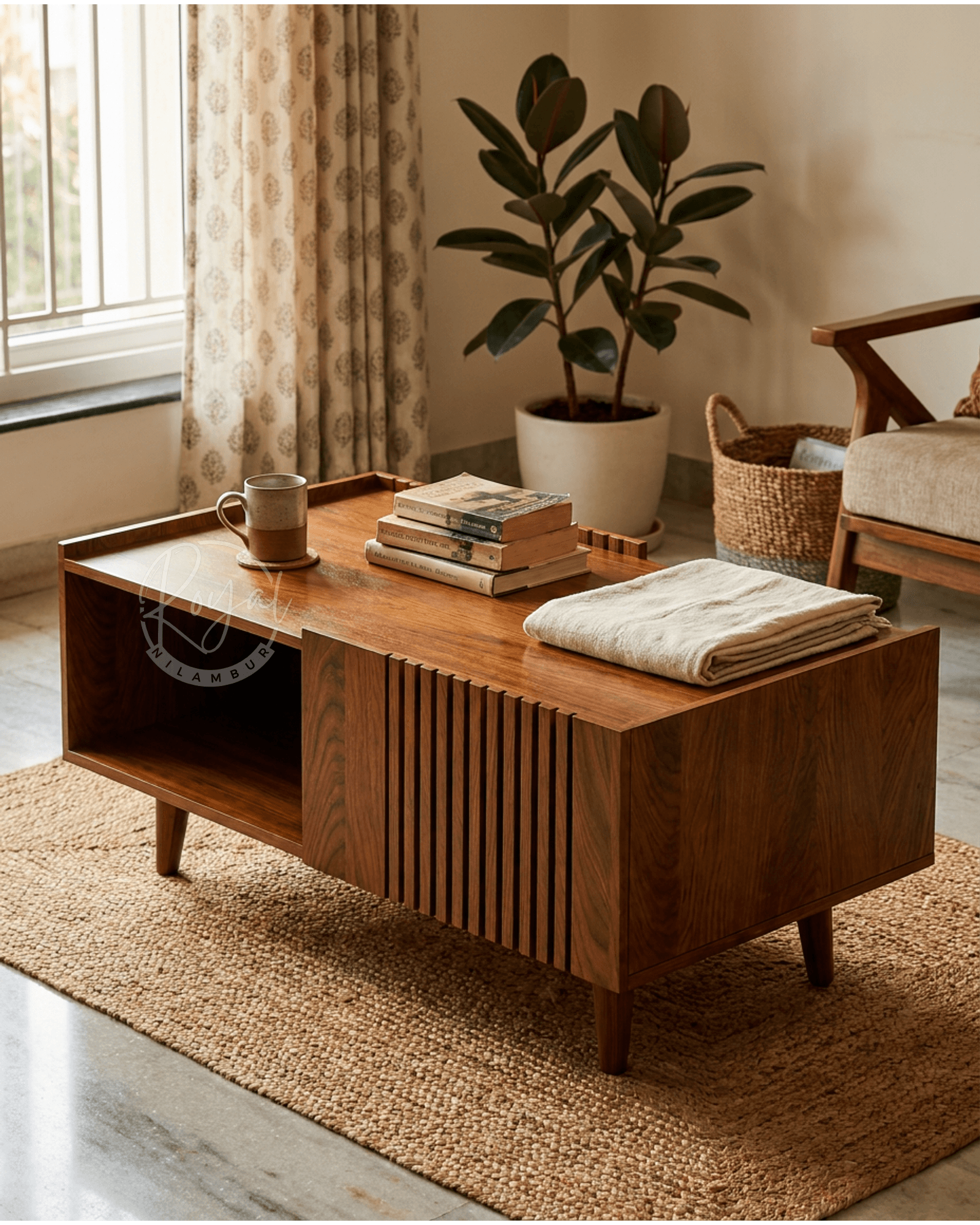
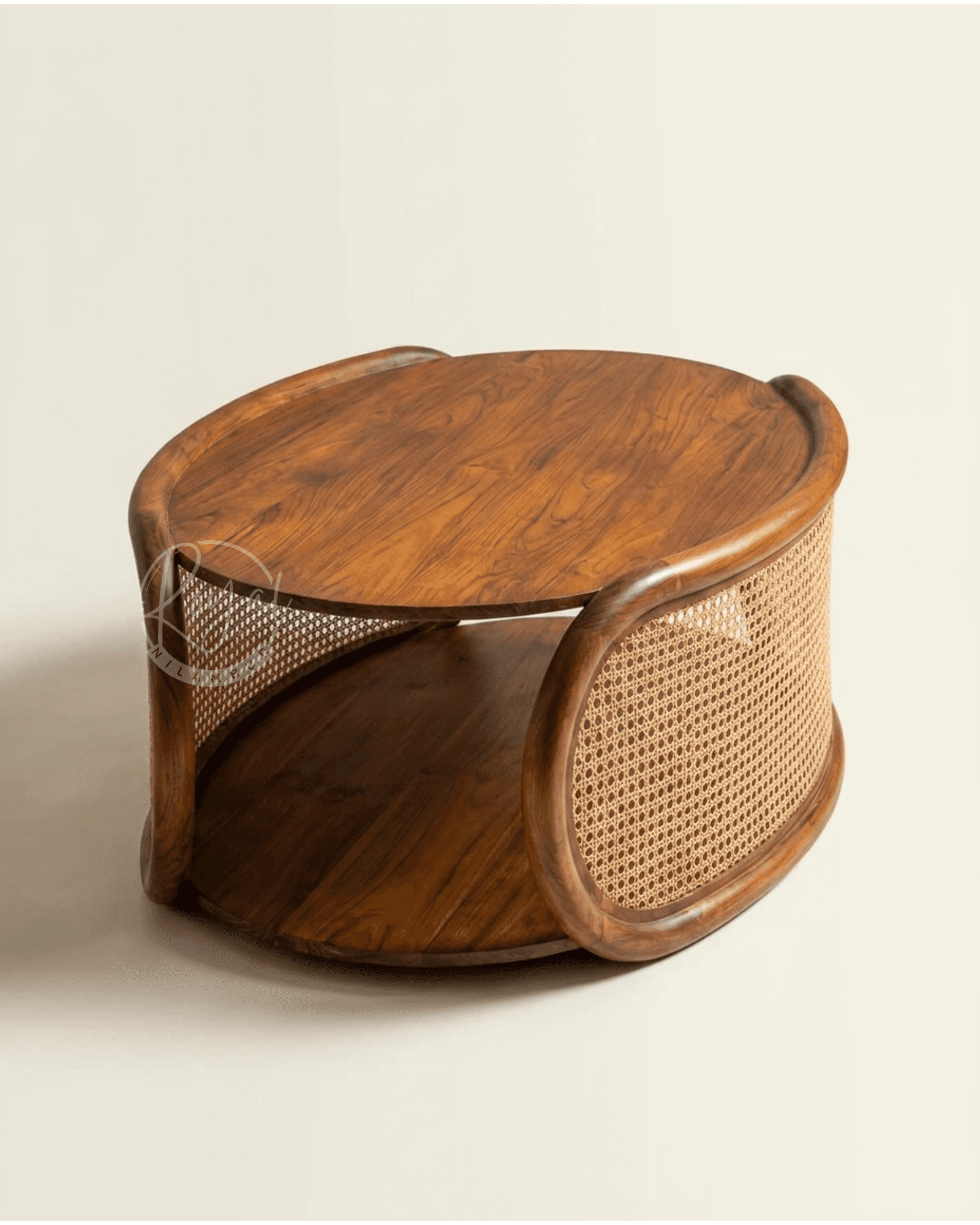
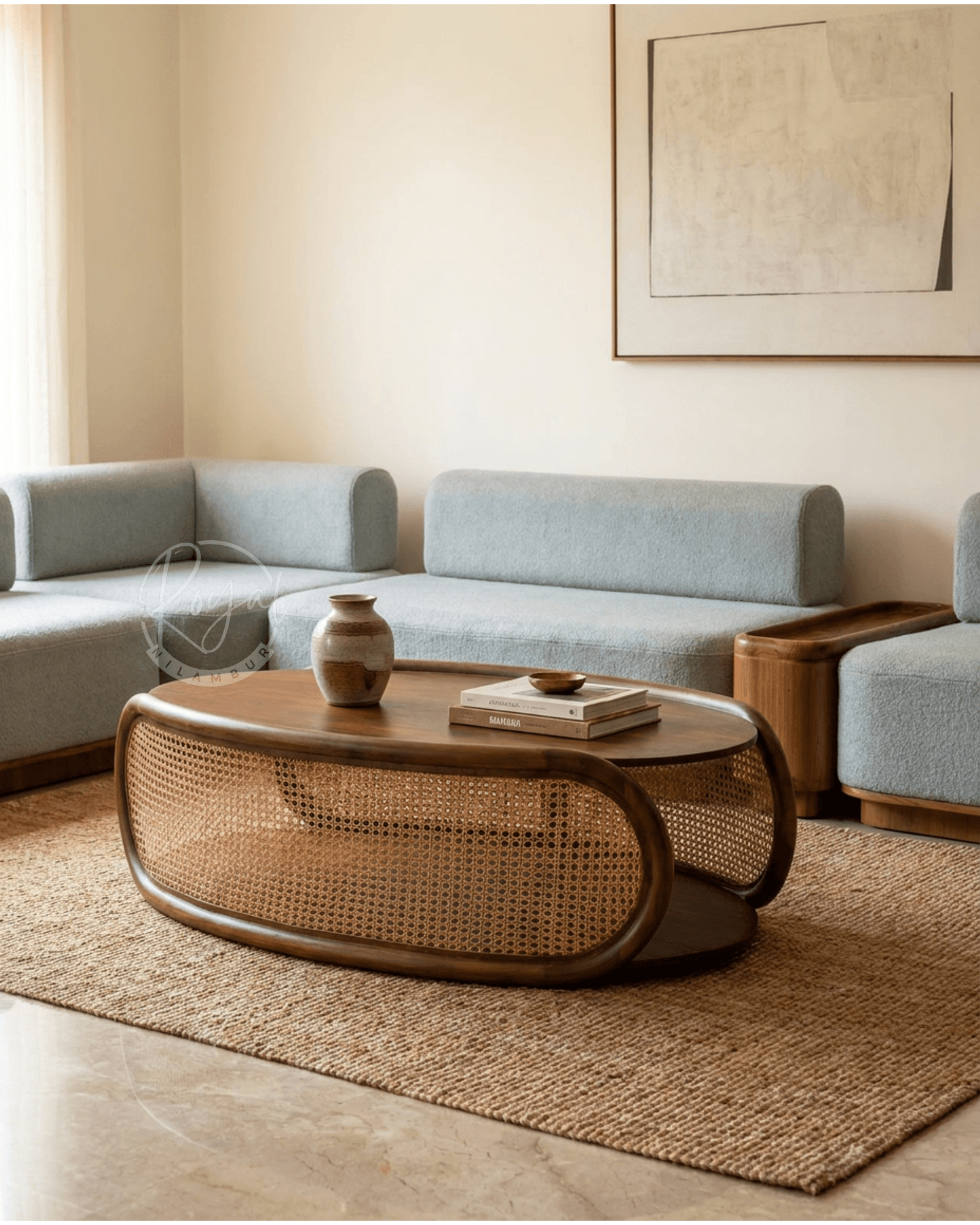
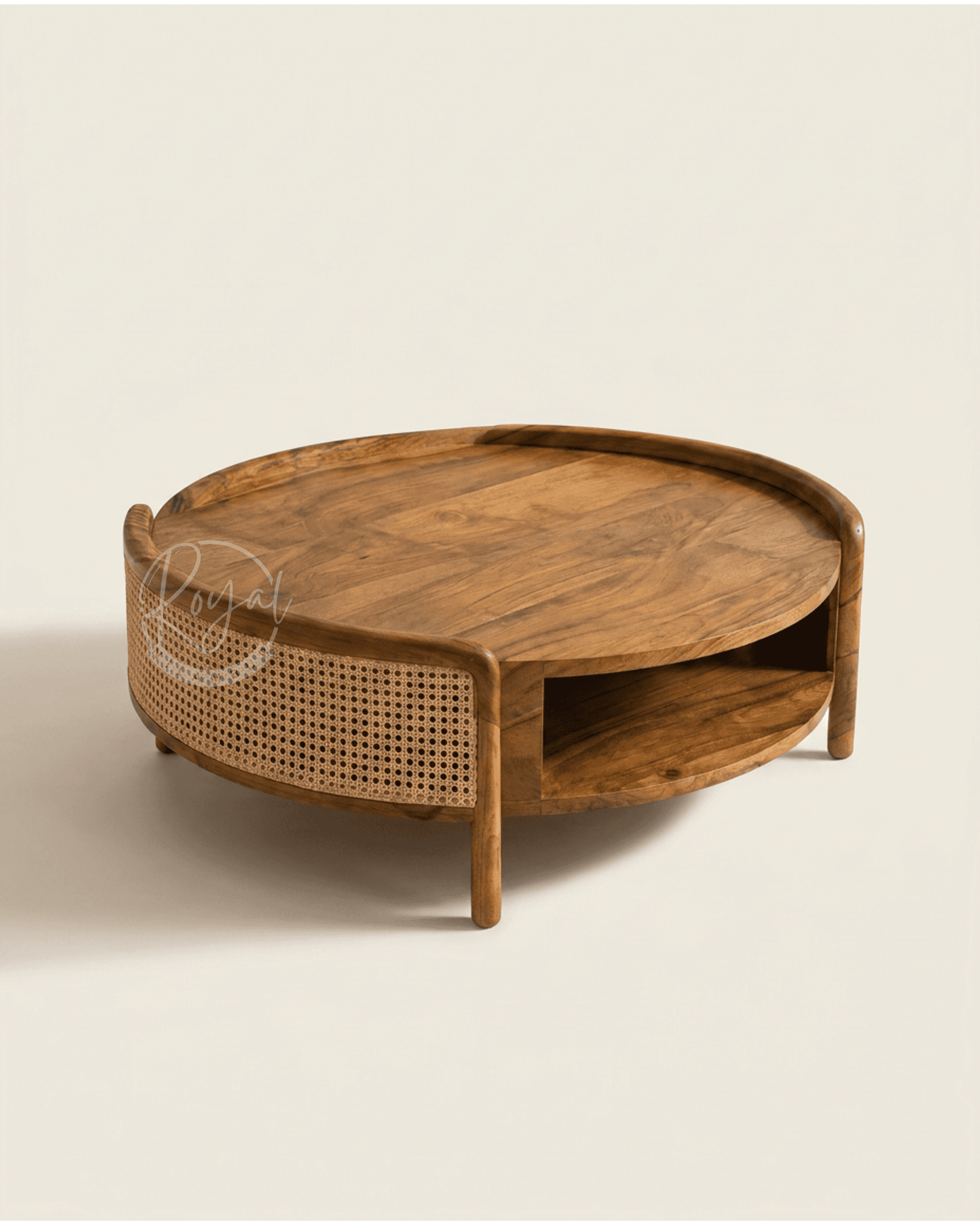
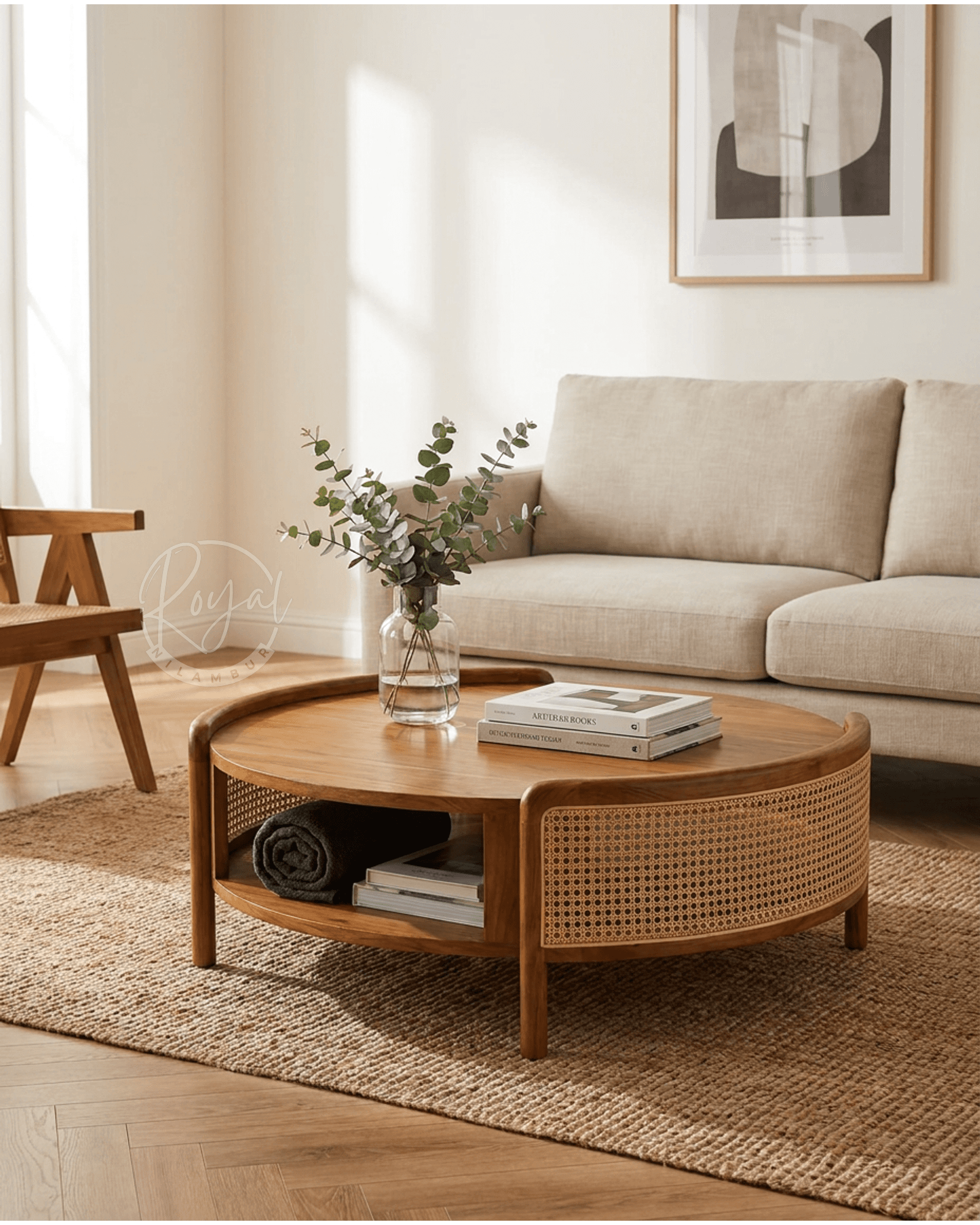
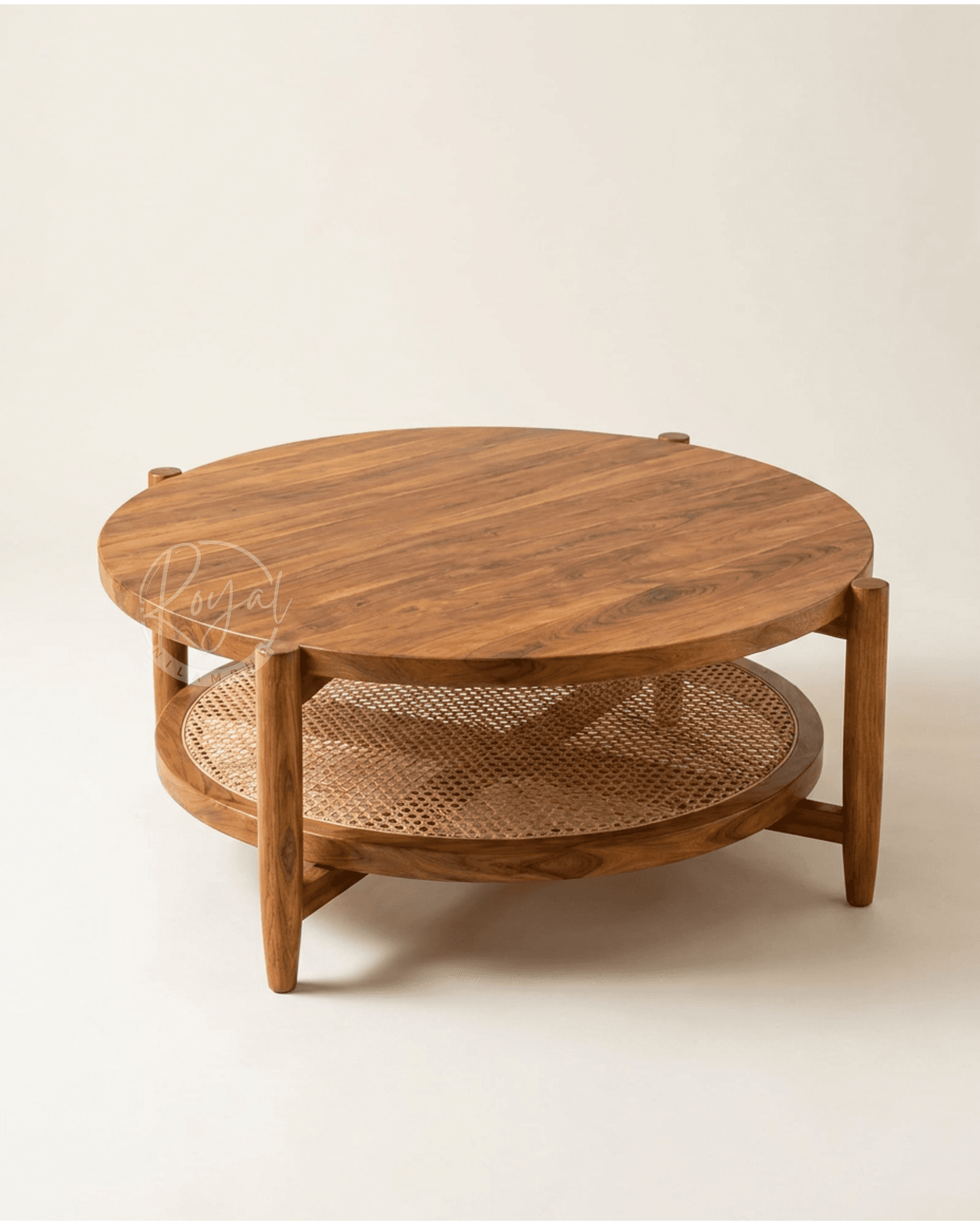
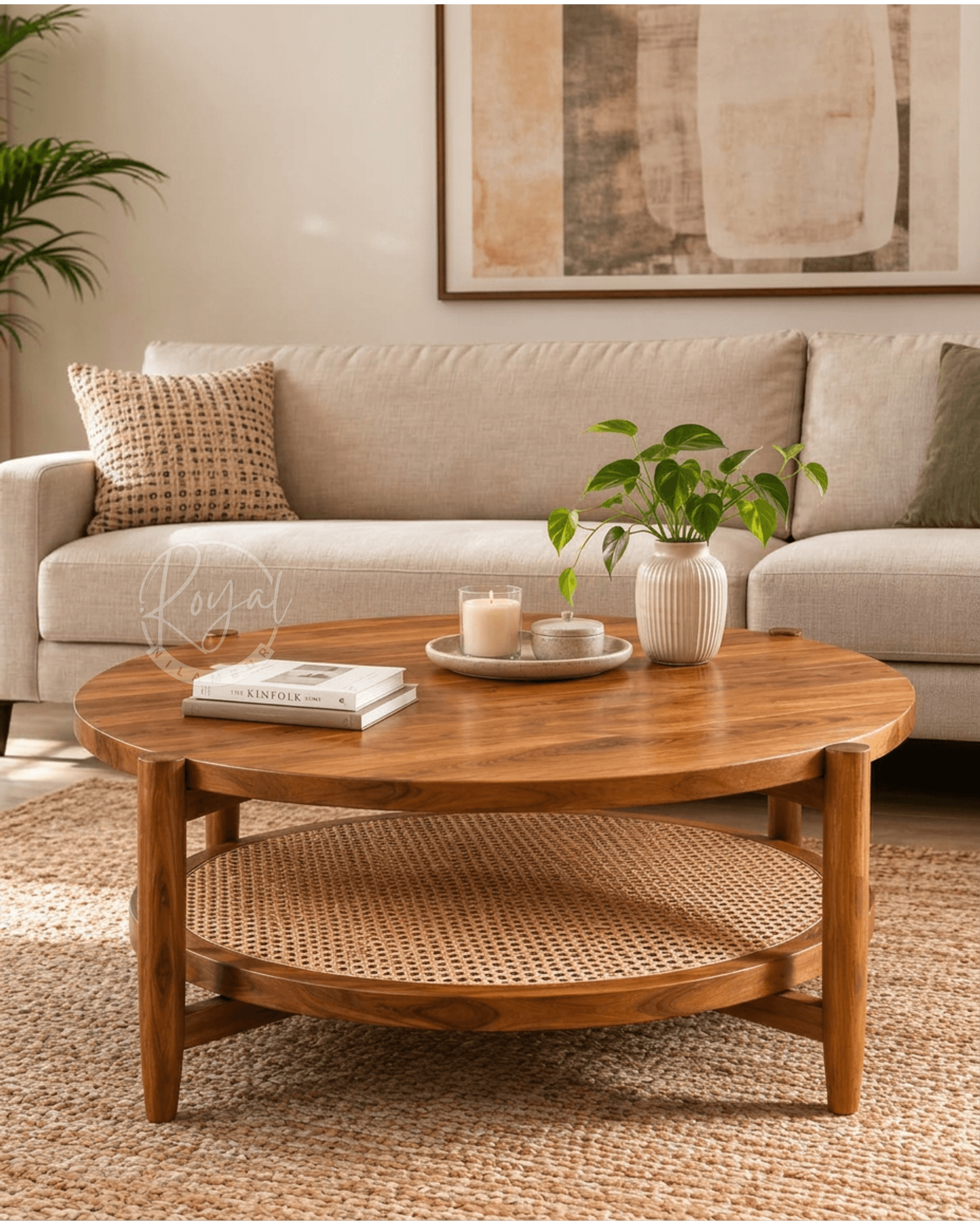
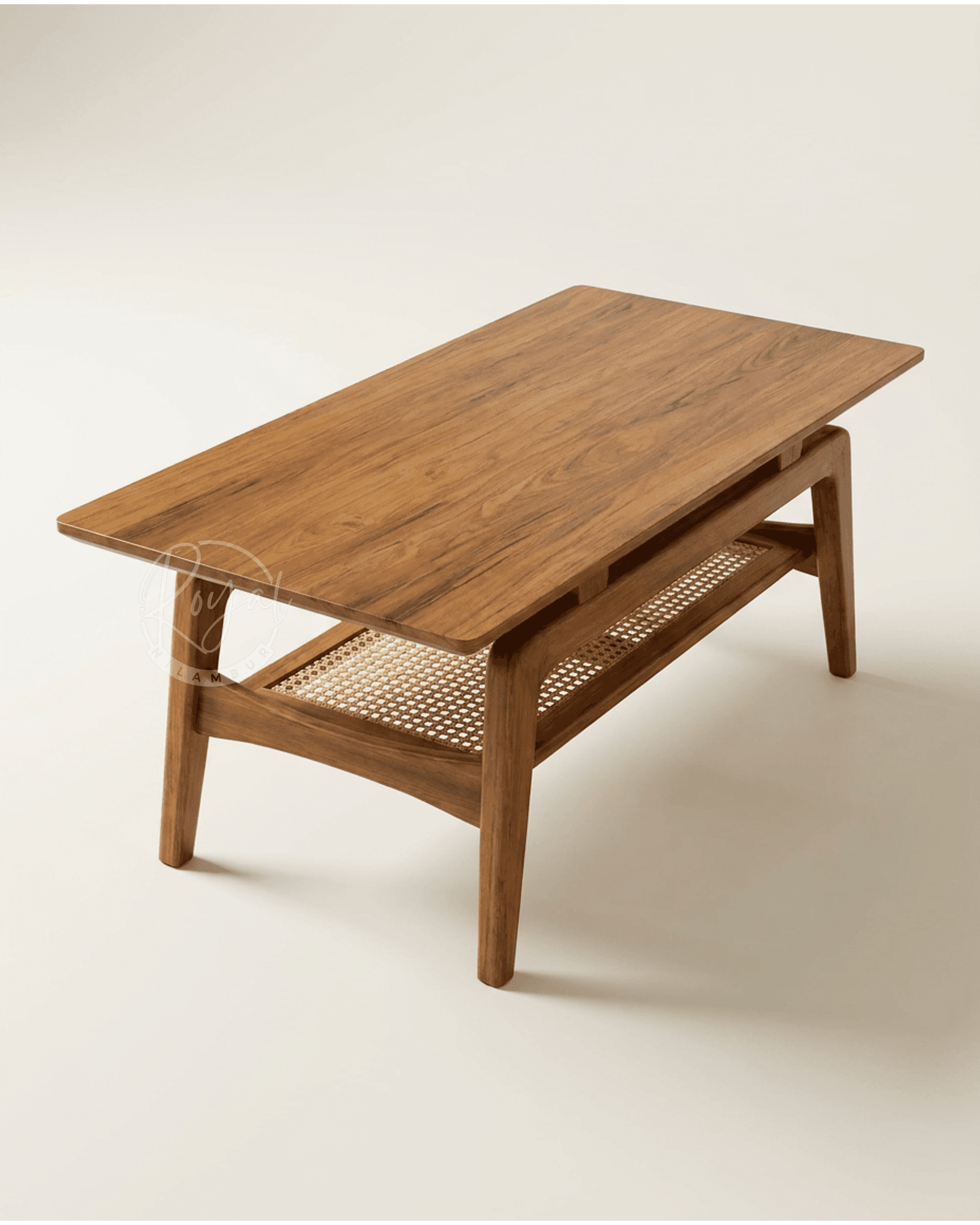
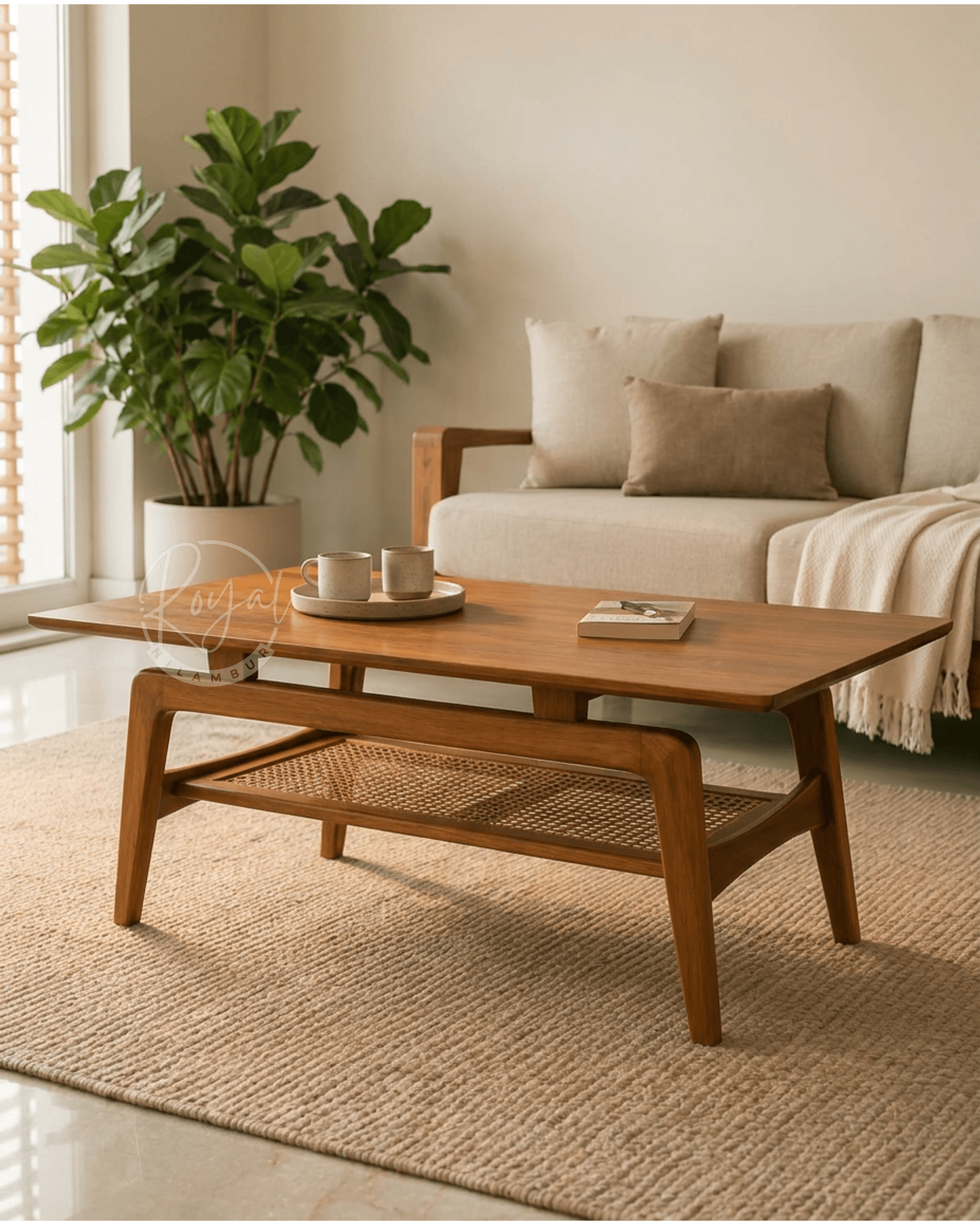
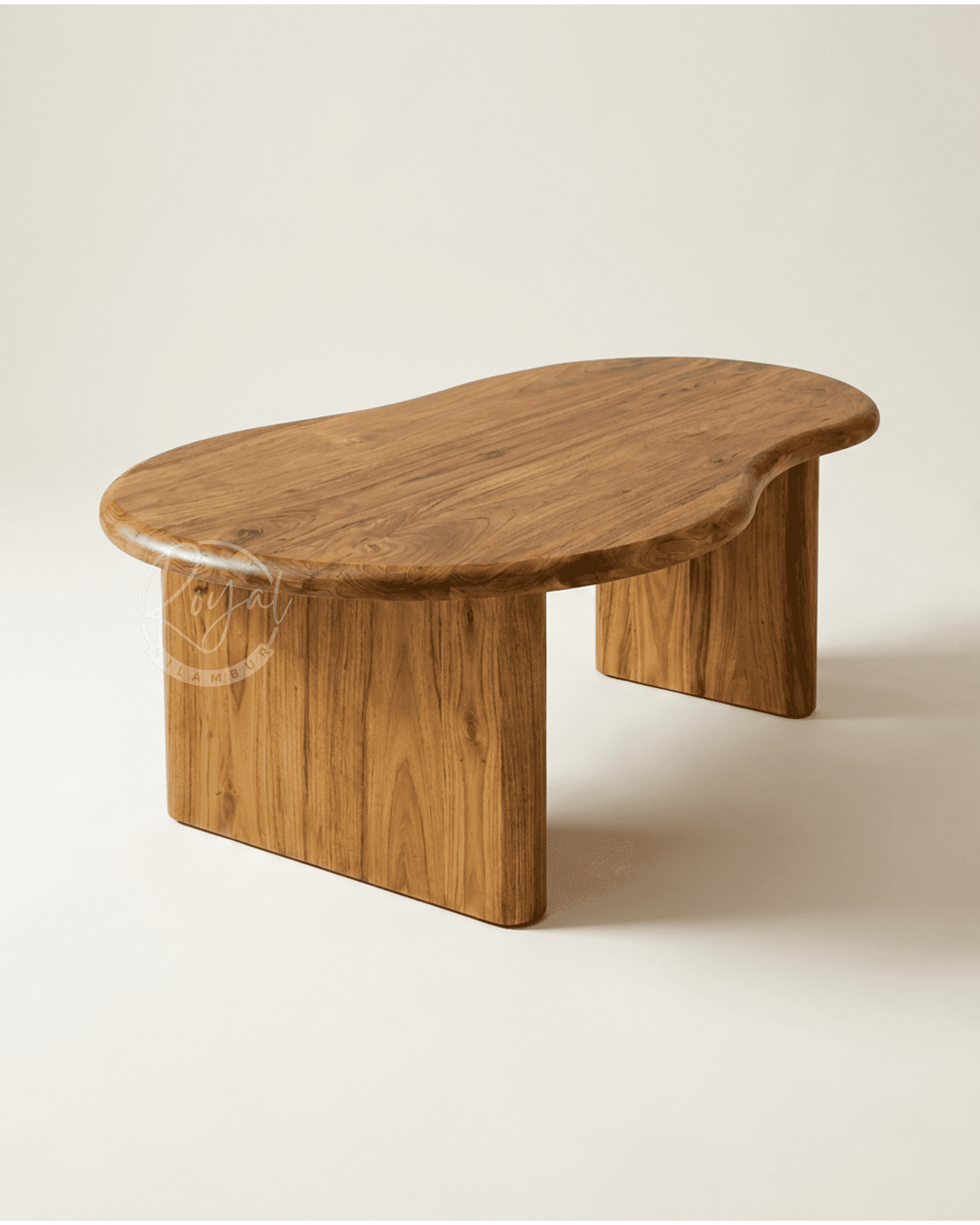




Every piece is made to order
Handcrafted in Nilambur · 10-year structural warranty · Free delivery across South India
A center table does more work than most people give it credit for. It holds the morning tea, anchors the seating arrangement, and sets the visual tone for the entire living room. When it is made from genuine Nilambur wild teak — not plantation teak, not veneer over engineered wood — it also holds its form, its colour, and its structural integrity for twenty to thirty years without intervention. Royal Nilambur's center table collection is made to order in Kerala, from forest teak that is among the densest and most naturally oil-rich in the world.
The center table is one of the few pieces of furniture that every person in the room interacts with, every day. It bears weight, absorbs spills, takes the occasional knock, and sits at eye level when you are seated. These demands expose the weaknesses of veneer, engineered wood, and plantation teak faster than almost any other furniture category. A solid wood coffee table for the living room made from wild Nilambur teak brings a surface hardness that resists denting and scratching — because slow forest growth produces tighter annual rings and a denser wood structure than fast-grown plantation timber. The difference is not visible at first. It becomes visible over time, when a plantation teak surface is showing wear and a wild teak surface is developing a deeper, more settled grain.
Every table in this collection is built with the same construction standards we apply to beds and dining tables — because the joinery that holds a frame together under daily use is the same regardless of the piece's size.
The teak used in most Indian furniture retail — whether sold as "sheesham alternative" or "premium teak" — is plantation-grown in open plots, often in Southeast Asia or in fast-rotation Indian farm forestry. It grows quickly, which is economically efficient but produces wood with wider annual rings, lower density, and significantly less natural oil. Nilambur wild teak grows in the monsoon forests of Malappuram district, Kerala, under conditions that slow growth considerably. The result is a wood that requires no chemical termite treatment, resists the kind of surface moisture that causes swelling and joint failure in cities like Mumbai or Kolkata, and develops a richer honey-brown colour over time rather than fading. This is not a finish — it is the wood itself responding to light and age.
The standard guidance is to keep the center table between one-half and two-thirds the length of your sofa, and to leave 35–45 cm of clearance between the table edge and the sofa front. For a 2.4-metre three-seat sofa, this typically means a table between 110 and 130 cm in length. Height matters as much as footprint: a coffee table for the living room should sit at roughly the same height as the sofa seat cushion, or no more than 5 cm lower. This keeps surfaces accessible without requiring a reach-down.
For smaller rooms or apartments, a rectangle center table in the 80–100 cm range often works better than an oversized statement piece. If the room functions as both living and occasional dining, a table with a lower shelf adds practical storage without changing the visual weight significantly. Royal Nilambur can customise dimensions for your specific room — a meaningful advantage of the made-to-order model over off-the-shelf retail.
Round versus rectangular is partly aesthetic and partly spatial. A round center table removes sharp corners from high-traffic rooms and works well with L-shaped sofa configurations. A rectangle center table aligns better with linear sofa arrangements and offers more usable surface area per square metre of floor space. Neither is universally better — the right choice depends on your room layout and how the seating faces the table.
The primary difference is wood density and natural oil content. Nilambur wild teak grows slowly in Kerala's monsoon forests, producing tighter annual rings and measurably higher oil content than plantation teak grown in open plots. This oil is not added — it is intrinsic to the wood and provides natural resistance to moisture, insects, and fungal decay. Most "teak wood" furniture sold in India is made from plantation-grown timber, which is lighter, softer, and requires chemical treatment to achieve comparable resistance.
Yes — provided the wood has been properly kiln-seasoned before joinery and is genuinely solid, not veneer over particleboard. Improperly seasoned wood takes on ambient moisture and releases it seasonally, causing swelling, cracking, and joint loosening. Royal Nilambur's center tables are kiln-dried to 10–12% moisture content before cutting, which stabilises the wood against the humidity cycles that affect cities like Chennai or Hyderabad. Wild teak's high natural oil content provides an additional barrier against surface moisture absorption.
A solid Nilambur wild teak center table, properly made, should last 20–30 years of daily use with minimal maintenance. The surface hardness of dense wild teak resists denting and scratching better than softer plantation timbers. The only routine care required is an occasional wipe with teak oil or a light furniture wax once or twice a year — more for appearance than structural preservation. Royal Nilambur's 10-year structural warranty reflects genuine confidence in the material and construction.
Yes. Because every Royal Nilambur piece is made to order in our Nilambur workshop, dimension adjustments are part of the process rather than an exception. If your living room works better with a table that is 90 cm rather than the standard 110 cm, or if you need a lower-profile table for a floor-seating arrangement, these are straightforward changes at the making stage. Finish options — natural oil, matte lacquer, and a deeper walnut-tone stain — are available across the range.
The standard lead time is 4–6 weeks from order confirmation, which reflects the made-to-order production process rather than warehouse stock. For apartment delivery, solid teak center tables are compact enough to move through standard stairwells and lifts without dismantling in most cases. For very compact building access, our team can advise at the order stage. Royal Nilambur ships across India from the Nilambur workshop in Kerala.
Royal Nilambur center tables are not sold on trend cycles or seasonal discounts. They are made from genuine Kerala forest teak, built with construction methods that hold up to daily use, and backed by a 10-year warranty that is only possible because of the material behind it. If you are buying a center table that will still be in your living room in fifteen years, this is where that decision starts.